Calorie deficit mistakes that hinder progress often arise from underestimating food intake, neglecting nutrient quality, and failing to track accurately. These errors can lead to stalled weight loss and frustration. To overcome these challenges, focus on measuring portion sizes, choosing nutrient-dense foods, and maintaining a consistent tracking method. This approach ensures you stay on target and achieve your weight loss goals effectively.
Underestimating Food Intake
One of the most significant calorie deficit mistakes that hinder progress is underestimating the amount of food consumed. Many individuals believe they are eating fewer calories than they actually are, which can lead to frustration when weight loss stalls. This mistake often stems from not accounting for all food and drink consumed throughout the day, including snacks and liquid calories.
To combat this, it’s essential to keep a detailed food diary or use a tracking app. By accurately logging everything consumed, individuals can gain a clearer picture of their actual caloric intake. For example, a seemingly healthy smoothie can contain hidden calories from added sugars and high-calorie ingredients like nut butters or full-fat dairy. Being aware of these hidden calories can help in making more informed dietary choices.
Additionally, portion sizes play a crucial role in calorie intake. Many people underestimate how much they eat per serving, especially when dining out or consuming packaged foods. Using measuring cups or a food scale can help ensure accurate portion sizes, thereby aiding in maintaining a calorie deficit.
Neglecting Nutrient Quality
Another common mistake in achieving a calorie deficit is neglecting the quality of nutrients consumed. While focusing solely on calorie counts is important, the types of foods chosen can significantly affect progress. Diets high in processed foods and low in essential nutrients can lead to feelings of hunger and cravings, making it harder to stick to a calorie deficit.
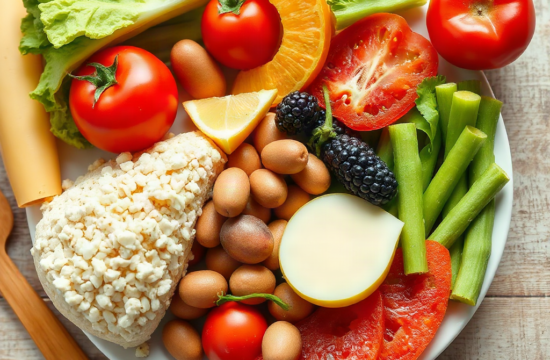
Choosing whole, nutrient-dense foods such as fruits, vegetables, lean proteins, and whole grains can help individuals feel fuller for longer. For instance, compared to a sugary snack, a serving of nuts or a piece of fruit can provide essential vitamins and minerals while also helping to satiate hunger. This approach not only supports weight loss but also promotes overall health.
Moreover, incorporating a variety of foods can prevent nutrient deficiencies and keep meals interesting. It’s crucial to strike a balance between caloric intake and nutrient density, ensuring the body receives the necessary fuel to function optimally.
Inconsistent Tracking Methods
Inconsistent tracking methods are a frequent calorie deficit mistake that can hinder progress. Many individuals start tracking their food intake but fail to maintain consistency over time. This inconsistency can lead to a lack of awareness regarding caloric intake and make it difficult to identify patterns or adjustments needed for continued progress.
To improve consistency, set specific times during the day to log meals. Some find it helpful to track food immediately after eating, while others prefer to do so at the end of the day. Utilizing apps that offer barcode scanning or meal suggestions can also simplify the process. Additionally, regularly reviewing tracking data can help identify trends and areas for improvement.
For example, if an individual notices they consistently overconsume calories on weekends, they can strategize ways to manage their intake during that time. Consistent tracking not only aids in accountability but also allows for adjustments based on progress and changing goals.
Ignoring Portion Sizes
Ignoring portion sizes is a critical mistake that often leads to consuming more calories than intended. Many people underestimate the amount they eat, especially high-calorie foods. Recognizing and controlling portion sizes can be pivotal in maintaining a calorie deficit.
To address this mistake, individuals can utilize portion control strategies. One effective method is to use smaller plates and bowls, which can create the illusion of a fuller plate without increasing caloric intake. Additionally, being mindful while eating—such as slowing down and savoring each bite—can help in recognizing satiety signals.
Support Your Weight Loss Goals
Huge Discount on the Best Certified Organic Nutrient Dense Supplement!
Another practical tip is to pre-portion snacks into smaller bags or containers instead of eating directly from larger packages. This strategy can prevent mindless eating and help individuals stay within their caloric limits. Ultimately, being aware of portion sizes can empower individuals to make healthier choices and successfully adhere to a calorie deficit.
For those looking to deepen their understanding of calorie deficits and dietary strategies, consider exploring resources from reputable health organizations or nutrition experts. Understanding the science behind nutrition and its impact on weight loss can provide valuable insights for effective dieting.
Frequently Asked Questions
What are common calorie deficit mistakes?
Common mistakes include underestimating food intake, neglecting nutrient quality, inconsistent tracking methods, and ignoring portion sizes.
How can I accurately track my calories?
Use a food diary or tracking app to log everything you eat and drink, including snacks and beverages, for more accurate tracking.
Why is nutrient quality important in a calorie deficit?
Nutrient quality affects satiety and overall health, helping to prevent cravings and ensure you get essential vitamins and minerals.
What strategies can help with portion control?
Using smaller plates, pre-portioning snacks, and being mindful while eating can help control portion sizes effectively.
How can I maintain consistency in tracking my food intake?
Set specific times to log meals, use tracking apps, and review your data regularly to identify patterns and make necessary adjustments.
Conclusion
Maintaining a calorie deficit requires careful attention to food intake, nutrient quality, and portion sizes. By recognizing and addressing common mistakes such as underestimating calories, neglecting nutrients, and inconsistent tracking, individuals can enhance their weight loss efforts. Implementing practical strategies for portion control and ensuring consistent tracking can lead to more successful outcomes. Prioritizing these elements will not only aid in achieving weight loss goals but also promote overall health and well-being.
Support Your Weight Loss Goals
HUGE DISCOUNT ON THE BEST CERTIFIED ORGANIC NUTRIENT DENSE SUPPLEMENT!
Related Content
- The Ultimate Guide to the best time to eat for weight loss in 2025 (Proven Strategies)
- Tips for Managing a Gluten-Free Diet Successfully
- Weight Loss: Finding Success In Your Journey
- Reach Your Ideal Weight With These Tips
- How to Lose Weight With Food Allergies: Safe Foods, Meal Planning, And Portion Strategies