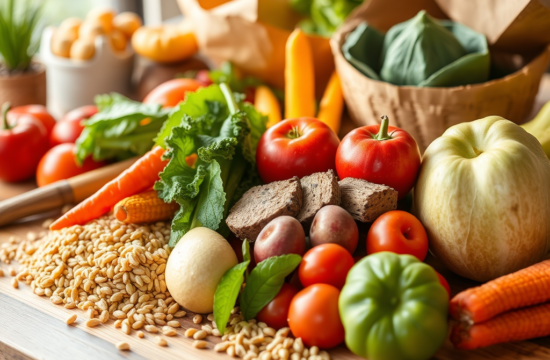

Carbohydrates are essential macronutrients that provide the body with its primary source of energy. Many beginners mistakenly eliminate carbohydrates from their diets, fearing weight gain.
Understanding Carbohydrates
Carbohydrates are essential macronutrients that provide the body with its primary source of energy. They can be classified into simple carbohydrates, like sugars, and complex carbohydrates, which include starches and fibers. Simple carbohydrates are quickly absorbed, providing immediate energy, while complex carbohydrates offer sustained energy release due to their longer digestion time.
Many beginners mistakenly eliminate carbohydrates from their diets, fearing weight gain. However, this can lead to fatigue and decreased performance. Instead, focusing on consuming whole grains, fruits, and vegetables can provide necessary energy while also supplying fiber, vitamins, and minerals.
The Role of Proteins
Proteins are vital for building and repairing tissues, making them crucial for muscle recovery and overall health. They are made up of amino acids, some of which are essential and must be obtained through diet. Good sources of protein include meat, fish, eggs, dairy, legumes, and nuts.
Beginners often underestimate the importance of protein, especially if they are engaged in physical activities. Without adequate protein intake, muscle recovery can be hindered, leading to fatigue and decreased performance. Aim for a balanced intake throughout the day to support muscle repair and growth.
Importance of Fats
Fats are essential for various bodily functions, including hormone regulation, nutrient absorption, and providing long-lasting energy. They can be categorized into saturated, unsaturated, and trans fats, with unsaturated fats being the healthiest option found in sources like avocados, nuts, and olive oil.
Many beginners fear fats due to misconceptions about weight gain. However, healthy fats are crucial for overall health and can help in feeling satiated, which may prevent overeating. Incorporating a variety of healthy fats into your diet can support heart health and overall well-being.
Frequently Asked Questions
What are the three main macronutrients?
The three main macronutrients are carbohydrates, proteins, and fats, each serving unique roles in energy production and bodily functions.
Why are carbohydrates important?
Carbohydrates provide the primary source of energy for the body, essential for daily activities and exercise.
How much protein do beginners need?
Beginners should aim for a protein intake of about 0.8 grams per kilogram of body weight, adjusting based on activity level and goals.
Are all fats bad for you?
No, not all fats are bad. Healthy fats, such as those from avocados and nuts, are important for overall health.
How can I balance my macronutrients?
Balancing macronutrients involves consuming a variety of foods from all three categories, adjusting portions based on personal health goals and activity levels.
Further Reading
Authoritative Sources
- NIH Office of Dietary Supplements
ods.od.nih.govEvidence-based information on vitamins, minerals, supplements, and nutrition-related questions.
- USDA FoodData Central
fdc.nal.usda.govUSDA nutrient data for foods and ingredients used in nutrition decisions.
- Harvard T.H. Chan School of Public Health Nutrition Source
hsph.harvard.eduPublic health nutrition guidance and educational resources.
Conclusion
Understanding macronutrients for beginners is essential for establishing a balanced diet and promoting overall health. By recognizing the roles of carbohydrates, proteins, and fats, individuals can make informed dietary choices that support energy levels and bodily functions. Aim to include a variety of foods from each macronutrient category while being mindful of portion sizes. Prioritize whole foods and minimize processed options to maximize nutritional benefits. This foundational knowledge will empower beginners to develop healthy eating habits and achieve their health goals.
Support Your Weight Loss Goals
HUGE DISCOUNT ON THE BEST CERTIFIED ORGANIC NUTRIENT DENSE SUPPLEMENT!
Related Content
- How to Lose Weight Naturally with a Raw Food Diet
- How to Lose Weight on a Keto Diet Without Sacrificing Taste
- What Foods Increase Fullness While Reducing Calorie Intake: Top Choices for Lasting Satiety
- How to Lose Weight Naturally with a High-Vitamin Diet
- What Benefits Can You Expect To See From Your Weight Loss Plan?