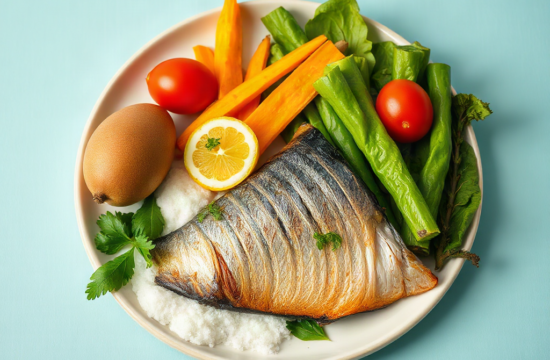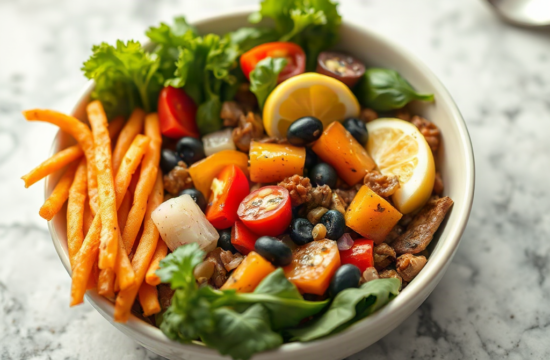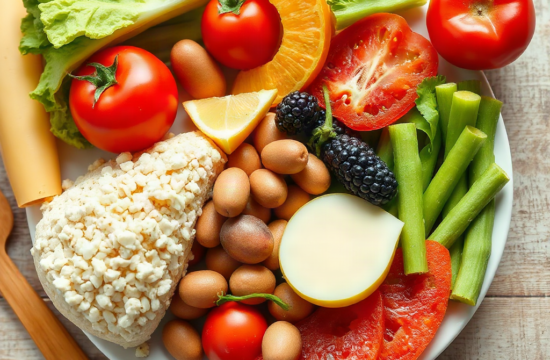

One of the core principles of high-protein dieting is its ability to promote satiety. Protein takes longer to digest than carbohydrates, leading to prolonged feelings of fullness and reduced cravings. This can help prevent overeating and make it easier to stick to your dietary goals. However, some individuals may struggle with meal planning or may not know how to effectively incorporate high-protein foods into their diets, which can hinder their weight loss efforts.
Common mistakes in high-protein dieting include relying too heavily on processed protein sources, such as protein bars or shakes, which may contain added sugars or unhealthy fats. Additionally, neglecting other essential nutrients, such as carbohydrates and fats, can lead to an unbalanced diet that is unsustainable in the long run. It’s important to focus on whole food sources and maintain a balanced approach to nutrition.
Benefits of High-Protein Dieting
High-protein diets offer numerous benefits, including increased satiety and enhanced muscle preservation during weight loss. Research indicates that protein can help regulate hormones related to hunger, such as ghrelin and peptide YY, leading to reduced appetite. Additionally, maintaining muscle mass is crucial for boosting metabolism, as muscle tissue burns more calories at rest compared to fat tissue.
Incorporating high-protein foods can also lead to improved body composition. When combined with strength training, a protein-rich diet can help individuals lose fat while preserving muscle mass, which is essential for long-term weight management. However, it’s important to balance protein intake with adequate carbohydrates and fats to ensure overall nutritional adequacy.
Prioritizing protein-rich meals can also enhance recovery after exercise. Amino acids from protein aid muscle repair and growth, which can lead to better performance in future workouts. Therefore, focusing on protein not only supports weight loss but also contributes to overall fitness goals.
Key Foods to Include
When adopting a high-protein diet, consider incorporating a variety of protein sources to ensure you’re getting a complete amino acid profile. Some excellent choices include:
- Lean meats: Chicken breast, turkey, and lean cuts of beef or pork.
- Fish: Salmon, tuna, and other fatty fish are rich in omega-3s and protein.
- Legumes: Lentils, chickpeas, and black beans are great plant-based protein sources.
- Dairy: Greek yogurt, cottage cheese, and low-fat milk provide both protein and calcium.
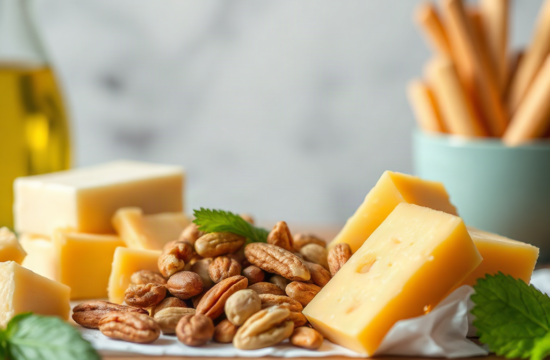
- Nuts and seeds: Almonds, walnuts, and chia seeds are good sources of protein and healthy fats.
Incorporating a range of these foods not only helps meet protein needs but also ensures a diverse intake of vitamins and minerals. However, moderation is key, especially with nuts and seeds due to their high-calorie content.
Meal Planning Strategies
Effective meal planning is essential for successfully implementing a high-protein diet. Start by setting protein goals based on your individual needs, which can vary depending on factors like age, sex, and activity level. Aiming for 25-30 grams of protein per meal is a common recommendation.
Consider preparing meals in advance to streamline your eating schedule and avoid spontaneous, less nutritious choices. Batch cooking protein-rich foods such as grilled chicken or roasted chickpeas can save time and ensure you have healthy options readily available. Additionally, using protein-rich snacks, like Greek yogurt or hard-boiled eggs, can help maintain energy levels and curb hunger between meals.
Support Your Weight Loss Goals
Huge Discount on the Best Certified Organic Nutrient Dense Supplement!
It’s also helpful to incorporate protein into every meal and snack. This can be achieved by adding protein powder to smoothies, including nuts in salads, or combining legumes with whole grains to create balanced meals. Prioritizing protein can transform your meals into nutrient-dense options that support weight loss.
Common Pitfalls to Avoid
While high-protein dieting can be effective, there are several common pitfalls that individuals should be aware of. One major mistake is neglecting other food groups, leading to an unbalanced diet. It’s crucial to include healthy fats and carbohydrates for overall health and energy.
Another common issue is relying too heavily on processed protein sources, which can be high in sugars and unhealthy additives. Focus on whole, minimally processed foods to maximize the health benefits of your diet. Additionally, some people may experience digestive discomfort when increasing protein intake too quickly; therefore, it’s advisable to gradually incorporate more protein into your diet.
In closing, tracking your protein intake can help ensure you’re meeting your goals without overdoing it. Use a food diary or app to monitor your consumption and make adjustments as needed.
Further Reading
Authoritative Sources
- MedlinePlus
medlineplus.govConsumer-friendly medical and health information from the U.S. National Library of Medicine.
- National Institutes of Health
nih.govResearch-based health information and links to authoritative medical resources.
- Centers for Disease Control and Prevention
cdc.govOfficial public health guidance, prevention resources, and topic-specific recommendations.
- Mayo Clinic
mayoclinic.orgTrusted clinical guidance, symptom explainers, and treatment overviews.
- World Health Organization
who.intGlobal health guidance, fact sheets, and evidence-based public health information.
Frequently Asked Questions
What are the best protein sources for weight loss?
Some of the best protein sources include lean meats, fish, eggs, legumes, and low-fat dairy products.
How much protein should I eat daily to lose weight?
Aim for about 0.6 to 0.8 grams of protein per pound of body weight, adjusting based on your activity level.
Can I lose weight on a vegetarian high-protein diet?
Yes, vegetarian sources like beans, lentils, tofu, and quinoa can provide adequate protein for weight loss.
What are some high-protein snacks?
High-protein snacks include Greek yogurt, cottage cheese, beef jerky, and protein bars with minimal added sugars.
Is a high-protein diet safe for everyone?
While generally safe, individuals with kidney issues should consult a healthcare provider before significantly increasing protein intake.
Conclusion
Embracing a high-protein diet can be a strategic approach to weight loss, offering benefits such as increased satiety and muscle preservation. By incorporating a variety of protein-rich foods and adopting effective meal planning strategies, you can create a sustainable eating pattern that supports your weight loss goals. Be mindful of common pitfalls, such as relying on processed foods and neglecting balanced nutrition. With careful planning and focus, a high-protein diet can lead to successful weight management and improved overall health.
Support Your Weight Loss Goals
HUGE DISCOUNT ON THE BEST CERTIFIED ORGANIC NUTRIENT DENSE SUPPLEMENT!
Related Content
- Ditch the Fad Diets! 7 Healthy Habits That Lead to Long-Term Weight Loss
- 10 Effective diet tips for losing belly fat in 2025: The Best Guide
- Tips for Incorporating Mindful Eating into Your Diet
- The Ultimate Guide to Starting a Keto Diet
- 10 Powerful Strategies for Effective weight loss without exercise in 2025