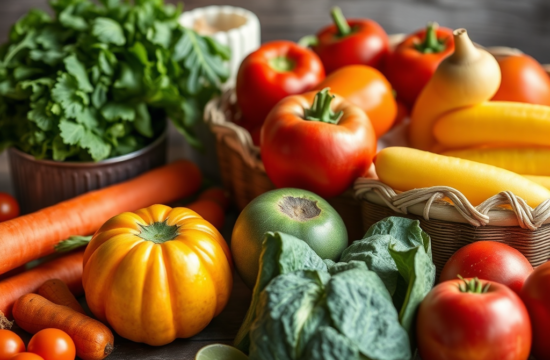
Understanding the relationship between food choices and satiety is crucial for effective weight management. High-fiber foods, for example, slow digestion and prolong feelings of fullness, while lean proteins contribute to muscle maintenance and metabolic health. The right balance of these food types can significantly influence daily calorie consumption and overall health.
Common mistakes include relying solely on low-calorie foods that lack nutritional value or failing to incorporate sufficient protein. Prioritizing nutrient-dense foods can lead to better satiety and improved dietary adherence. It’s essential to recognize that not all low-calorie foods will effectively curb hunger; focusing on quality over quantity is key.
High-Fiber Foods
High-fiber foods are essential for promoting fullness while keeping calorie counts low. Foods rich in fiber, such as vegetables, fruits, whole grains, and legumes, absorb water and expand in the stomach, which increases satiety. Additionally, fiber takes longer to digest, leading to prolonged feelings of fullness.
Incorporating fiber-rich foods into your meals can significantly enhance your ability to manage hunger. For example, a bowl of oatmeal topped with berries not only provides fiber but also offers a satisfying meal without excessive calories. When making dietary choices, prioritizing high-fiber options can lead to better weight management and overall health.
A common pitfall is underestimating the amount of fiber needed in a diet. Many individuals do not consume the recommended daily intake, which can lead to increased hunger and overeating. Aim for a variety of fiber sources to optimize satiety and health benefits.
Lean Proteins
Lean proteins play a crucial role in increasing fullness while minimizing calorie intake. Foods such as chicken, turkey, fish, tofu, and legumes provide essential amino acids that support muscle maintenance and metabolic health. Protein-rich foods are known to reduce appetite and promote feelings of satisfaction after meals.
Incorporating lean proteins into your diet can help regulate hunger hormones and enhance metabolic rate. For instance, adding grilled chicken or chickpeas to a salad can create a fulfilling meal that keeps you satiated longer. Balancing protein intake throughout the day can ensure that your body is well-fueled without excessive calorie consumption.
A mistake often made is relying heavily on high-fat or processed protein sources, which can lead to increased calorie intake. Instead, focus on incorporating diverse lean protein sources to maximize benefits while keeping calorie counts in check.
Healthy Fats
Healthy fats, such as those found in avocados, nuts, seeds, and olive oil, are vital for promoting satiety. Despite being calorie-dense, healthy fats can enhance the feeling of fullness and satisfaction after meals. They slow digestion and can help curb cravings for unhealthy snacks.
Including moderate amounts of healthy fats in your meals can lead to better appetite control. For example, a salad drizzled with olive oil or a handful of nuts as a snack can provide essential nutrients and keep hunger at bay. Understanding the role of healthy fats in your diet can help you make informed choices that support your goals.
Support Your Weight Loss Goals
Huge Discount on the Best Certified Organic Nutrient Dense Supplement!
However, a common error is assuming that all fats are detrimental to weight management. It’s essential to differentiate between healthy and unhealthy fats and to consume them in appropriate portions to avoid excessive calorie intake.
Water-Rich Foods
Water-rich foods, such as fruits and vegetables, are excellent for increasing fullness while reducing calorie intake. Foods like cucumbers, watermelon, and oranges contain high water content, which can help fill you up without adding significant calories. These foods also provide essential vitamins and minerals that contribute to overall health.
Incorporating water-rich foods into your meals can enhance satiety and aid in hydration. A fresh vegetable soup or a fruit salad can be satisfying, nutrient-dense options that prevent overeating. Strategically adding these foods to your diet can create a balanced approach to managing hunger and calorie intake.
One common mistake is neglecting the importance of hydration in relation to hunger. Many people confuse thirst with hunger, leading to unnecessary snacking. Staying hydrated and prioritizing water-rich foods can help mitigate this issue, promoting better dietary habits.
Further Reading
Authoritative Sources
- MedlinePlus
medlineplus.govConsumer-friendly medical and health information from the U.S. National Library of Medicine.
- National Institutes of Health
nih.govResearch-based health information and links to authoritative medical resources.
- Centers for Disease Control and Prevention
cdc.govOfficial public health guidance, prevention resources, and topic-specific recommendations.
- Mayo Clinic
mayoclinic.orgTrusted clinical guidance, symptom explainers, and treatment overviews.
- World Health Organization
who.intGlobal health guidance, fact sheets, and evidence-based public health information.
Frequently Asked Questions
What types of foods are best for increasing fullness?
Foods high in fiber, lean proteins, healthy fats, and those with high water content are best for increasing fullness.
How does fiber contribute to feeling full?
Fiber slows digestion and expands in the stomach, leading to prolonged feelings of fullness after eating.
Can I eat low-calorie foods and still feel full?
Yes, focusing on nutrient-dense low-calorie foods like fruits and vegetables can help you feel full without excessive calorie intake.
How much protein should I include in my meals for satiety?
Aiming for a source of lean protein in each meal can help maintain satiety; typically, 20-30 grams per meal is effective.
Are healthy fats necessary for a balanced diet?
Yes, healthy fats are essential for satiety and overall health, but they should be consumed in moderation to avoid excess calories.
Conclusion
Incorporating foods that increase fullness while reducing calorie intake is a strategic approach to effective weight management. Focus on high-fiber foods, lean proteins, healthy fats, and water-rich options to enhance satiety and support your dietary goals. Avoid common pitfalls by prioritizing nutrient-dense foods and maintaining a balanced intake. By making informed choices about what you eat, you can effectively manage hunger and calorie consumption for better health outcomes.
Support Your Weight Loss Goals
HUGE DISCOUNT ON THE BEST CERTIFIED ORGANIC NUTRIENT DENSE SUPPLEMENT!
Related Content
- 10 Best Keto Breakfast Ideas for 2025 That Boost Energy and Stay Lean
- Dieting Tips That Simplify Weight Loss: Practical Foods and Daily Habits for Sustainable Success
- Tips On The Right Weight Loss Plan To Follow
- Love Your Body Forward: Why Positive Body Image Is Key to Lasting Health
- The Science-Backed Guide to Sustainable Weight Loss