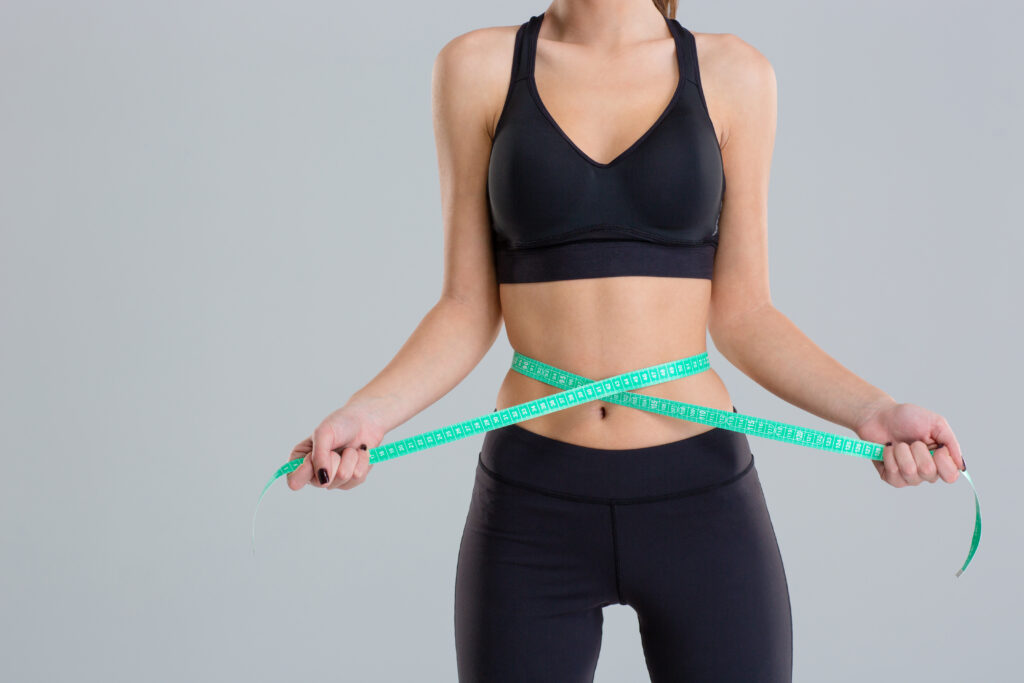
Many people struggle with weight loss due to unrealistic expectations and extreme dieting methods. A more effective approach involves choosing sustainable habits that encourage gradual changes, making it easier to maintain weight loss long-term. Instead of drastic calorie reductions, consider adjusting your diet to include more fiber-rich foods, lean proteins, and healthy fats, which can help you feel fuller for longer.
It’s important to recognize that every individual’s body responds differently to diet changes. Personalizing your approach by keeping a food journal can help you identify what works best for you, including timing of meals and preferred food choices. This awareness can prevent common mistakes such as emotional eating or skipping meals, which can sabotage your efforts.
Understanding Portion Control
Portion control is a crucial aspect of successful dieting that directly impacts weight loss. By managing the amount of food you consume, you can reduce calorie intake without feeling deprived. Use smaller plates, measure serving sizes, and be mindful of high-calorie foods to help maintain appropriate portions.
Understanding portion sizes can significantly affect your daily caloric intake. For example, a standard serving of protein is about the size of your palm, while carbohydrates should make up a quarter of your plate. This strategy allows you to enjoy a variety of foods while keeping calories in check.
Many people underestimate portion sizes, which can lead to overeating. To combat this, consider using measuring cups or a food scale initially until you develop a good sense of proper serving sizes. Additionally, being aware of how portion sizes can vary between different types of foods will help you make better choices.
Incorporating Nutrient-Dense Foods
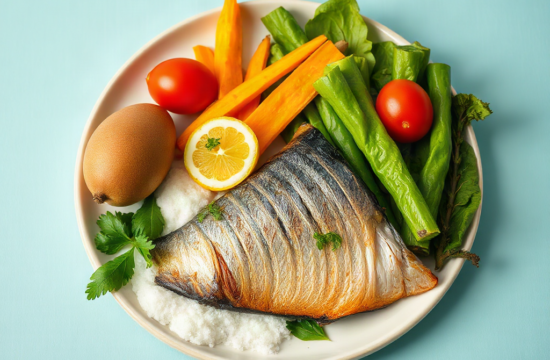
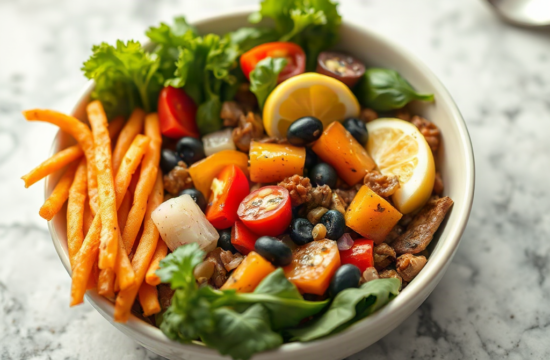
Nutrient-dense foods are those that provide a high amount of vitamins and minerals relative to their calorie content. Including more of these foods in your diet can support weight loss while promoting overall health. Focus on vegetables, fruits, lean proteins, whole grains, and healthy fats.
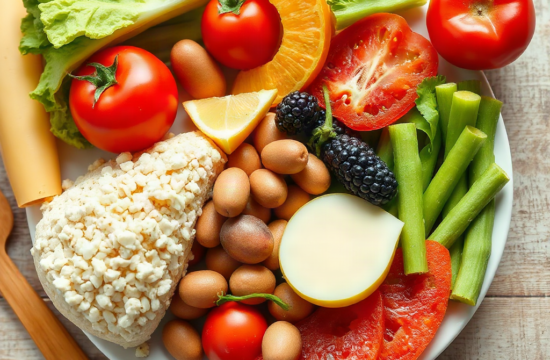
Choosing nutrient-dense foods not only supports weight loss but also enhances your energy levels and overall well-being. For instance, leafy greens, berries, and legumes are excellent choices that provide fiber, vitamins, and minerals without excessive calories.
One common mistake is replacing nutrient-dense foods with low-calorie alternatives that lack essential nutrients. Instead, prioritize whole foods that nourish your body, helping you feel satisfied and energized throughout the day. Planning meals around these foods can simplify grocery shopping and meal prep.
Mindful Eating Practices
Mindful eating involves being fully present during meals, paying attention to hunger cues, and savoring each bite. This practice can help prevent overeating and emotional eating, which are common barriers to weight loss.
By slowing down and focusing on the eating experience, you can better recognize when you’re satisfied, reducing the likelihood of consuming excess calories. Techniques such as putting down your fork between bites or eating without distractions can enhance mindfulness.
Support Your Weight Loss Goals
Huge Discount on the Best Certified Organic Nutrient Dense Supplement!
A frequent pitfall in dieting is eating in response to emotional triggers rather than physical hunger. Developing strategies to differentiate between emotional and physical hunger can help you make more intentional food choices and improve your relationship with food.
Physical Activity and Hydration
Regular physical activity is essential for weight loss and overall health. Aim for a combination of cardiovascular exercises, strength training, and flexibility workouts to create a well-rounded fitness routine. Staying active not only burns calories but also helps to boost metabolism and improve mood.
Hydration plays a critical role in weight management. Drinking enough water can help control appetite and enhance metabolic functions. Aim to drink at least eight glasses of water daily, and consider drinking a glass before meals to help manage portion sizes.
Many individuals overlook the importance of integrating physical activity into their daily routines. Finding enjoyable activities, such as walking, dancing, or cycling, can make it easier to stay active. Additionally, incorporating movement into your day, like taking the stairs or doing household chores, contributes to your overall calorie expenditure.
Further Reading
Authoritative Sources
- Choose My Plate
choosemyplate.govThis resource offers valuable guidance on portion sizes and healthy eating patterns, essential for simplifying weight loss
- Nutrition.gov
nutrition.govA comprehensive resource for nutrition information and dietary guidelines to support healthy weight management
Frequently Asked Questions
What are the best foods to include in a weight loss diet?
Focus on whole, nutrient-dense foods such as vegetables, fruits, lean proteins, whole grains, and healthy fats.
How can I prevent emotional eating?
Practice mindfulness by recognizing hunger cues and avoiding distractions during meals to differentiate between physical and emotional hunger.
What is portion control, and why is it important?
Portion control involves managing the amount of food consumed, which is crucial for reducing calorie intake and promoting weight loss.
How much water should I drink for weight loss?
Aim for at least eight glasses of water daily, and consider drinking a glass before meals to help control appetite.
What type of exercise is best for weight loss?
A combination of cardiovascular exercises, strength training, and flexibility workouts is most effective for weight loss.