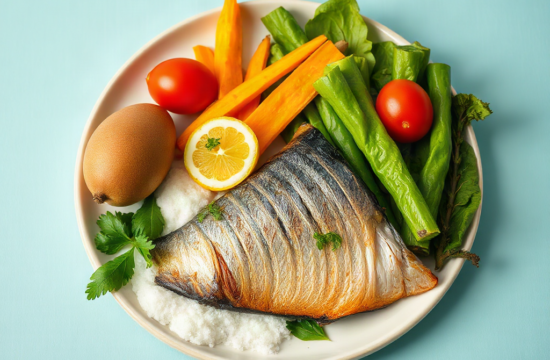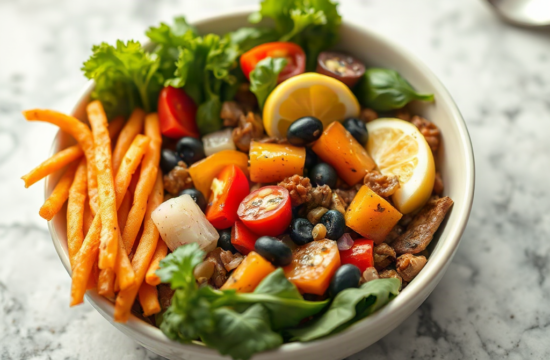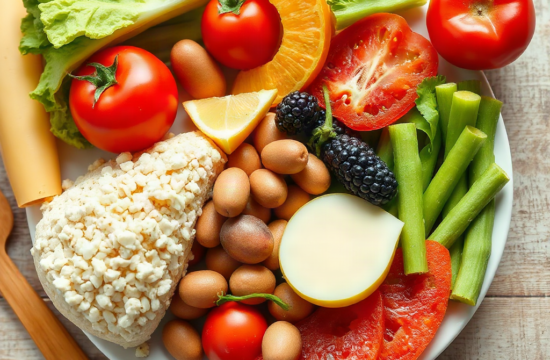
Many people mistakenly believe that skipping meals is a quick fix for weight loss. However, this can lead to increased hunger and overeating later. Instead, adopting a strategy that emphasizes nutrient-dense foods while controlling portion sizes is key. Understanding your body’s needs and timing your meals appropriately can support sustainable weight loss.
A common pitfall is the assumption that all calories are equal. In reality, the quality of your food matters significantly. Prioritizing nutrient-rich options, such as fruits, vegetables, whole grains, and lean proteins, can help you feel fuller longer and provide essential nutrients your body needs. Additionally, staying hydrated and mindful of your eating habits can further enhance your weight loss journey without the need to skip meals.
The Importance of Meal Timing
Meal timing plays a crucial role in weight management. Eating at regular intervals helps maintain blood sugar levels and prevents extreme hunger that can lead to poor food choices. A structured meal schedule can also enhance your metabolism, allowing your body to burn calories more efficiently.
For optimal results, aim for three balanced meals and one to two healthy snacks throughout the day. This pattern keeps your energy levels stable and prevents the temptation to skip meals out of hunger. Additionally, consider the timing of your meals in relation to your physical activity; eating a small snack before a workout can provide the necessary fuel, while a balanced meal afterward aids recovery.
Many individuals overlook the significance of meal timing, often eating sporadically or skipping meals altogether. By establishing a routine, you can foster healthier eating habits and support your weight loss goals more effectively. Prioritize consistency and listen to your body’s hunger signals to guide your meal timing.
Choosing Nutrient-Dense Foods
When aiming to lose weight without skipping meals, the focus should be on selecting nutrient-dense foods. These foods provide essential vitamins and minerals without excessive calories. Incorporate a variety of fruits, vegetables, whole grains, lean proteins, and healthy fats into your diet.
For instance, foods like leafy greens, berries, quinoa, chicken breast, and avocados are excellent choices. They not only promote satiety but also supply the nutrients your body needs to function optimally. Experiment with different cooking methods, such as steaming or grilling, to enhance the flavor of these foods without adding unnecessary calories.
One common mistake is relying on processed or low-calorie foods, thinking they are healthier options. These products often lack essential nutrients and can lead to cravings. Instead, focus on whole foods that nourish your body and keep you feeling satisfied. Prioritize quality over quantity to achieve lasting weight loss results.
Portion Control Strategies
Portion control is an essential aspect of losing weight without skipping meals. Even healthy foods can contribute to weight gain if consumed in excessive amounts. Learning to recognize appropriate portion sizes can help you enjoy your favorite foods while managing your calorie intake.
One effective strategy is to use smaller plates and bowls, which can create the illusion of a fuller plate while reducing overall portions. Additionally, take the time to savor each bite, as this can enhance satisfaction and prevent overeating. Practicing mindful eating allows you to tune into your body’s hunger and fullness cues.
Support Your Weight Loss Goals
Huge Discount on the Best Certified Organic Nutrient Dense Supplement!
A common pitfall is eating directly from large packages or containers, which can lead to mindless snacking. Instead, portion out servings before eating to better control your intake. By being mindful of portion sizes, you can enjoy your meals without the fear of overindulgence.
Common Mistakes to Avoid
While pursuing weight loss without skipping meals, it’s crucial to be aware of common mistakes that can hinder your progress. One of these is failing to track your food intake, which can lead to unintentional overeating. Keeping a food diary or using a tracking app can help you stay accountable.
Additionally, overlooking the importance of hydration is a frequent error. Sometimes, our bodies confuse thirst with hunger, leading to unnecessary snacking. Aim to drink plenty of water throughout the day, and consider starting each meal with a glass of water to help control your appetite.
In closing, another common mistake is not allowing for flexibility in your eating plan. Strict diets can be difficult to maintain and may lead to binge eating. Allow yourself occasional treats in moderation to avoid feelings of deprivation and maintain a healthy relationship with food.
Further Reading
Authoritative Sources
- MedlinePlus
medlineplus.govConsumer-friendly medical and health information from the U.S. National Library of Medicine.
- National Institutes of Health
nih.govResearch-based health information and links to authoritative medical resources.
- Centers for Disease Control and Prevention
cdc.govOfficial public health guidance, prevention resources, and topic-specific recommendations.
- Mayo Clinic
mayoclinic.orgTrusted clinical guidance, symptom explainers, and treatment overviews.
- World Health Organization
who.intGlobal health guidance, fact sheets, and evidence-based public health information.
Frequently Asked Questions
Can I still lose weight if I eat three meals a day?
Yes, eating three balanced meals a day can support weight loss as long as you manage portion sizes and choose nutrient-dense foods.
What are some healthy snacks I can incorporate?
Healthy snacks include fruits, nuts, yogurt, or vegetables with hummus, which can keep you satisfied between meals.
How can I prevent overeating?
To prevent overeating, practice mindful eating, use smaller plates, and avoid distractions while eating.
Is it necessary to count calories?
While it can be helpful, counting calories is not necessary for everyone. Focus on portion control and choosing whole foods instead.
What role does hydration play in weight loss?
Staying hydrated can help control appetite and prevent unnecessary snacking, making it an important factor in weight management.
Conclusion
In closing, losing weight without skipping meals is not only possible but can also be a healthier approach to weight management. By focusing on meal timing, nutrient-dense foods, portion control, and avoiding common pitfalls, you can achieve your weight loss goals sustainably. Prioritize balanced nutrition and listen to your body’s cues to create a successful weight loss strategy that fits your lifestyle. Start implementing these strategies today for a healthier tomorrow.
Support Your Weight Loss Goals
Huge Discount on the Best Certified Organic Nutrient Dense Supplement!
Related Content
- The Sustainable Diet: Lose Weight Without Losing Your Sanity
- Mastering Consistency: Secrets to How to Stay on Track With Dieting and Achieve Your Goals
- Need Help Losing Weight? Try These Great Tips!
- The Best Dieting Strategies for People Over 50: Effective Foods and Meal Plans to Consider
- How to Create a Balanced Meal Plan on a Budget: Essential Foods and Practical Steps