Understanding the importance of a caloric deficit is crucial for fat loss. This means consuming fewer calories than the body expends, which forces the body to utilize stored fat for energy. However, it’s essential to approach this with a balanced mindset, ensuring that nutritional needs are met without resorting to extreme calorie restriction. Many individuals mistakenly believe that cutting calories drastically is the best way to lose weight, but this often leads to muscle loss and metabolic slowdown.
Incorporating regular exercise, particularly strength training, can complement dietary changes effectively. Muscle mass increases metabolic rate, allowing the body to burn more calories at rest. Moreover, practices like meal prepping and mindful eating can prevent impulsive food choices that often derail dieting efforts.
Understanding Macronutrients and Their Role
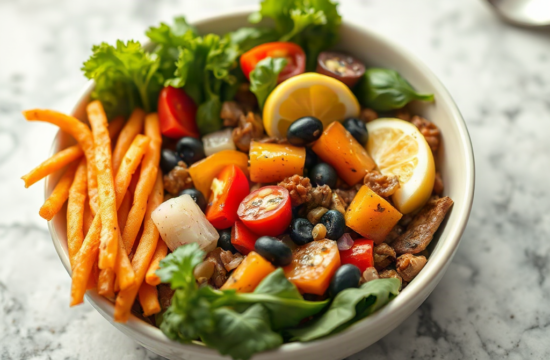
Macronutrients—proteins, fats, and carbohydrates—play vital roles in fat loss. Protein is especially important as it helps preserve muscle mass during weight loss, which is crucial for maintaining a healthy metabolism. Healthy fats, such as those from avocados and nuts, provide essential fatty acids and support satiety. Carbohydrates, particularly those from whole grains and vegetables, offer energy and fiber, aiding in digestion.
Prioritizing a balanced intake of these macronutrients can help mitigate the common pitfalls of dieting. Many dieters focus too heavily on reducing carbs, which can lead to cravings and binge eating. Instead, a balanced approach that includes all macronutrients, while managing portion sizes, is more sustainable and effective for long-term fat loss.
Effective Foods for Fat Loss
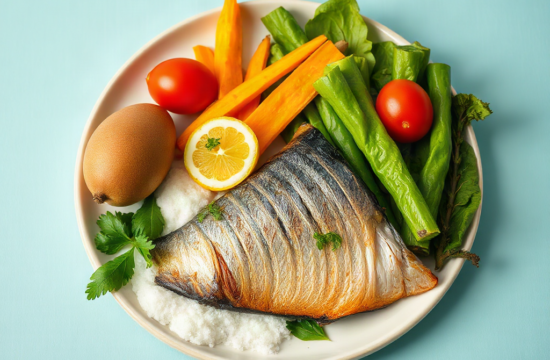
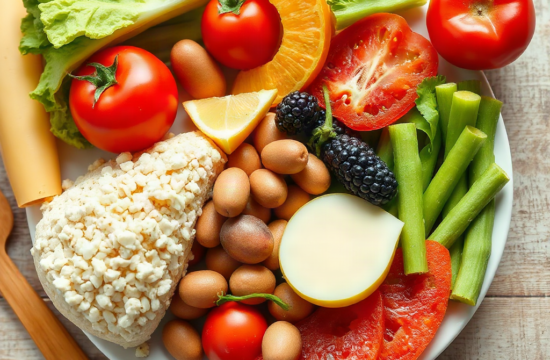
Incorporating specific foods into your diet can enhance fat burning. Foods high in protein, like chicken, fish, legumes, and dairy, are excellent choices. They not only support muscle preservation but also have a higher thermic effect, meaning the body burns more calories digesting them. Additionally, incorporating plenty of vegetables can increase fiber intake, which aids in feeling full and satisfied.
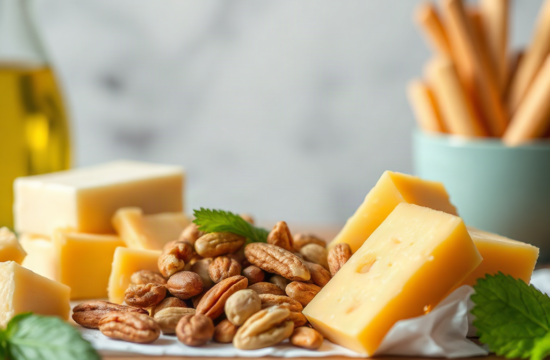
Healthy fats from sources like olive oil, nuts, and seeds can also be beneficial. They help regulate hormones that control appetite and promote fat metabolism. On the other hand, it’s essential to limit processed foods high in sugars and unhealthy fats, as these can lead to weight gain and hinder fat loss efforts.
The Importance of Regular Exercise
Exercise is a key component of any fat loss strategy. Strength training is particularly effective as it builds muscle, which burns more calories at rest compared to fat tissue. Incorporating both cardiovascular exercise and strength training into your routine can maximize fat loss and improve overall health.
Finding a routine that is enjoyable and sustainable is crucial. Many people make the mistake of jumping into intense workouts without proper conditioning, leading to burnout or injury. A balanced approach that includes activities you enjoy will help maintain consistency, which is essential for long-term success.
Support Your Weight Loss Goals
Huge Discount on the Best Certified Organic Nutrient Dense Supplement!
Mindful Eating Practices
Mindful eating involves paying attention to hunger cues and eating without distractions. This practice can prevent overeating and help individuals enjoy their food more. Often, people eat out of habit rather than hunger, which can lead to consuming excess calories.
To implement mindful eating, try to eat slowly, savoring each bite, and eliminate distractions such as screens during meals. This approach not only enhances the eating experience but also encourages better digestion and satisfaction with smaller portions.
Further Reading
Authoritative Sources
- Ready.gov
ready.govOfficial U.S. preparedness guidance, checklists, and planning resources for households and emergencies.
- FEMA
fema.govFederal emergency management resources, disaster planning information, and recovery guidance.
- American Red Cross Emergency Preparedness
redcross.orgPractical emergency preparation steps, supply lists, and safety guidance for families.
- National Weather Service
weather.govOfficial forecasts, hazard alerts, and weather safety information.
- CDC Emergency Preparedness and Response
cdc.govPublic health guidance for emergencies, disasters, and recovery situations.
Frequently Asked Questions
What is the best diet for burning fat?
A balanced diet high in protein, healthy fats, and fiber-rich carbohydrates is optimal for burning fat.
How important is exercise for fat loss?
Exercise, especially strength training, is crucial as it helps build muscle and increases metabolic rate, aiding in fat loss.
Can I lose fat without dieting?
While dieting helps, making healthier food choices and increasing physical activity can lead to fat loss without strict dieting.
What foods should I avoid for fat loss?
Avoid processed foods high in sugars and unhealthy fats, as they can hinder fat loss and promote weight gain.
How does hydration affect fat loss?
Staying hydrated is essential for metabolic processes and can help control hunger, making it easier to maintain a caloric deficit.
Conclusion
To effectively burn fat, focus on a balanced diet rich in protein, healthy fats, and fiber while maintaining a caloric deficit. Regular exercise, particularly strength training, can enhance your results. Incorporating mindful eating practices will further support your efforts, ensuring that you not only lose fat but also develop sustainable habits for long-term health. Prioritize these strategies to achieve and maintain your fat loss goals.