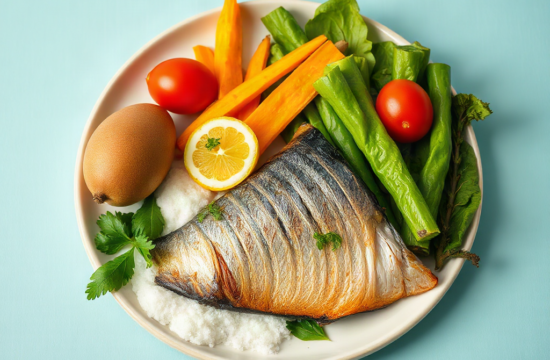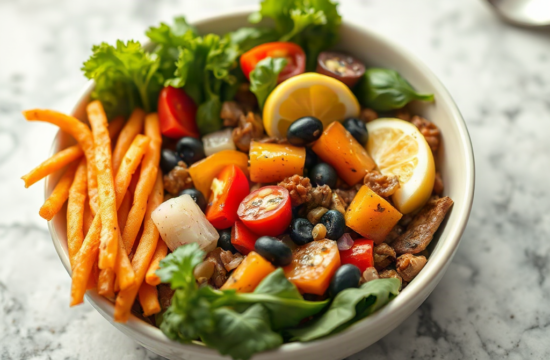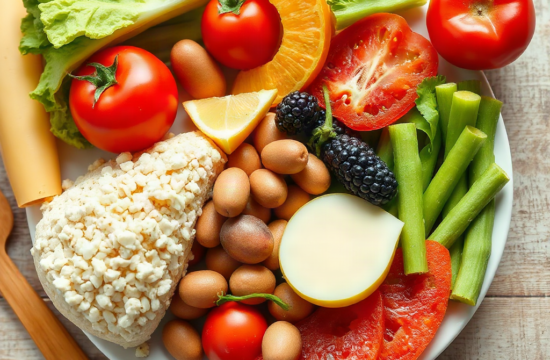
Understanding that metabolism naturally slows with age is crucial. Many individuals over 50 may find that they need fewer calories than before, but this doesn’t mean they should compromise on nutrition. Prioritizing nutrient-dense foods helps maintain energy levels and supports bodily functions, which tend to decline with age. Additionally, hydration becomes increasingly important, as the body may not signal thirst as effectively.
Emphasizing Nutrient-Dense Foods
Focusing on nutrient-dense foods is essential for those over 50. This includes a variety of fruits, vegetables, whole grains, and lean proteins. These foods provide essential vitamins, minerals, and antioxidants that help combat age-related health issues. For example, berries, leafy greens, and whole grains can reduce inflammation and support heart health.
Incorporating these foods into daily meals can be straightforward. A practical approach is to fill half your plate with vegetables at lunch and dinner, ensuring a colorful variety that maximizes nutritional intake. Additionally, consider meal prepping to make it easier to stick to healthy choices during busy weeks.
Importance of Protein Intake
Protein plays a critical role in maintaining muscle mass, especially as we age. After 50, the body requires more protein to support muscle repair and growth. Aim for high-quality protein sources such as fish, poultry, eggs, legumes, and dairy.
To effectively increase protein intake, consider integrating protein-rich foods into every meal. For instance, add Greek yogurt to breakfast, include beans in salads, or opt for lean meats during dinner. This strategy not only supports muscle health but also promotes satiety, helping to control overall caloric intake.
Managing Portion Sizes
As metabolism slows, managing portion sizes becomes increasingly important for weight maintenance. Overeating, even healthy foods, can lead to unwanted weight gain. Learning to recognize proper portion sizes and practicing mindful eating can aid in this process.
One effective method is to use smaller plates and bowls, which can help control portions visually. Additionally, taking time to eat slowly and savor each bite allows the body to recognize fullness cues more effectively.
Support Your Weight Loss Goals
Huge Discount on the Best Certified Organic Nutrient Dense Supplement!
Incorporating Healthy Fats
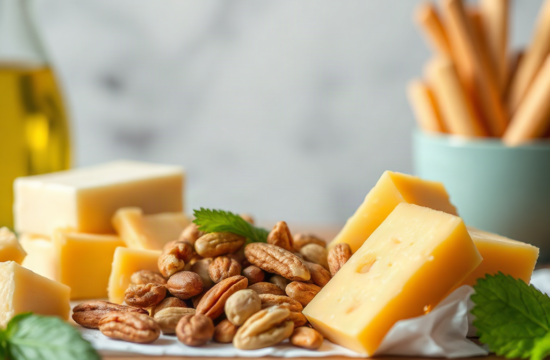
Healthy fats are vital for optimal health and should not be neglected in a diet for those over 50. Sources such as avocados, nuts, seeds, and olive oil provide essential fatty acids that support brain health and heart function.
Incorporating these fats into meals can be simple. For example, drizzle olive oil over salads, snack on a handful of nuts, or add avocado to sandwiches. Balancing fat intake with other macronutrients ensures a well-rounded diet that promotes overall well-being.
Further Reading
Authoritative Sources
- Ready.gov
ready.govOfficial U.S. preparedness guidance, checklists, and planning resources for households and emergencies.
- FEMA
fema.govFederal emergency management resources, disaster planning information, and recovery guidance.
- American Red Cross Emergency Preparedness
redcross.orgPractical emergency preparation steps, supply lists, and safety guidance for families.
- National Weather Service
weather.govOfficial forecasts, hazard alerts, and weather safety information.
- CDC Emergency Preparedness and Response
cdc.govPublic health guidance for emergencies, disasters, and recovery situations.
Frequently Asked Questions
What are the best dieting strategies for those over 50?
Focus on nutrient-dense foods, adequate protein intake, and portion control while incorporating healthy fats.
Why is protein important after 50?
Protein helps maintain muscle mass and supports recovery and growth, which is crucial as metabolism slows with age.
How can I manage portion sizes effectively?
Use smaller plates, practice mindful eating, and listen to your body’s hunger cues to avoid overeating.
What types of fats should I include in my diet?
Incorporate healthy fats from sources like avocados, nuts, seeds, and olive oil for optimal health benefits.
How can I ensure I’m getting enough vitamins and minerals?
Eat a wide variety of colorful fruits and vegetables, whole grains, and lean proteins to cover your nutritional needs.
Conclusion
In closing, adopting the best dieting strategies for people over 50 involves prioritizing nutrient-dense foods, ensuring adequate protein intake, managing portion sizes, and incorporating healthy fats. By focusing on these elements, individuals can maintain their health, support their metabolism, and enjoy a balanced diet that meets their changing needs. Start by making small adjustments to your meals and gradually incorporate these strategies for lasting benefits.
Support Your Weight Loss Goals
Huge Discount on the Best Certified Organic Nutrient Dense Supplement!
Related Content
- Avoiding the Pitfalls: The Most Common Dieting Mistakes That Prevent Weight Loss and How to Overcome Them
- Unlock Your Best Self: Proven Methods to Achieve Sustainable Weight Loss at Home
- Unraveling the Mystery: The Real Reason Your Diet Is Not Helping You Lose Weight
- Seven-Day Meal Plan Ideas for Fatty Liver (Foods, Portions, and Prep)
- Ditch the Fad Diets: 5 Proven Strategies for Long-Term Weight Management