Revamping health in midlife, particularly for men over 40, requires a nuanced approach to weight loss that goes beyond traditional dieting. Hormonal changes, metabolism shifts, and lifestyle factors all play significant roles in how men in this demographic approach weight management. Understanding these dynamics is crucial for formulating effective strategies that resonate with real-world challenges.
Many men mistakenly believe that weight loss is solely about calorie counting or rigorous exercise regimens. However, this oversimplification often leads to frustration and failure. As metabolism slows with age, focusing solely on energetic output without considering dietary quality, emotional well-being, and sustainable habits can yield disappointing results. Prioritizing a balanced mix of nutrition, physical activity, and mental health is essential to not just lose weight but maintain it effectively over time.
Moreover, real-world obstacles such as busy schedules, family responsibilities, and shifting priorities can undermine even the best intentions. Therefore, a practical understanding of how to navigate these challenges while implementing the best weight loss tips is key for men over 40. Adjusting expectations and employing flexible strategies will help in creating a more manageable and successful weight loss journey.
Understanding Metabolism Changes
As men enter their 40s, metabolic rates typically begin to decline, which can complicate weight loss efforts. This decline means that the body burns fewer calories at rest, making it easier to gain weight even with the same caloric intake as in previous decades. Recognizing this shift is crucial, as it requires adjustments in both diet and exercise to counterbalance the metabolic slowdown.
Many men fail to adapt their dietary habits to this new reality. They might continue eating as they did in their 30s, leading to gradual weight gain. A practical approach is to start by monitoring caloric intake and adjusting portion sizes accordingly, while also incorporating more nutrient-dense foods. Prioritizing protein can help preserve muscle mass, which is vital for maintaining metabolic rate as muscle burns more calories than fat. For those looking to lose weight, understanding these metabolic changes provides a foundation upon which to build effective strategies.
Nutrition: Quality Over Quantity
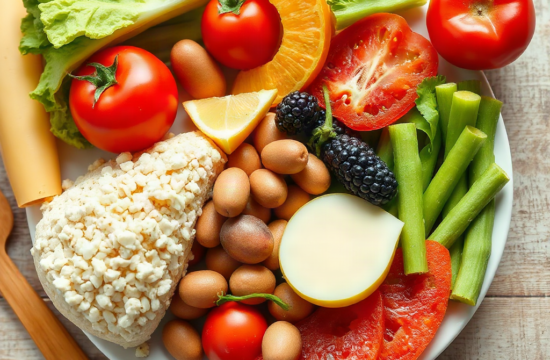
In the quest for weight loss, the quality of food consumed often outweighs sheer calorie counting. A diet rich in whole, unprocessed foods, such as fruits, vegetables, lean proteins, and healthy fats, provides essential nutrients that support overall health and weight management. Instead of focusing solely on cutting calories, consider what types of foods fuel your body and which might hinder your progress.
Common pitfalls include relying too heavily on processed foods, which can be calorie-dense and nutrient-poor, leading to overeating without satisfaction. Smart choices involve swapping out refined carbohydrates for whole grains and incorporating more fiber-rich foods that increase satiety. Being mindful of food quality can also positively impact energy levels and mood, creating a more sustainable approach to weight loss. Balancing personal preferences with nutritional goals is key; this may involve meal prepping or seeking out healthier alternatives to favorite meals.
Exercise: Finding What Works for You
Exercise plays a pivotal role in weight loss, but the type and amount of exercise can vary significantly between individuals, especially as men age. High-intensity workouts might not be suitable for everyone, particularly if they are new to fitness or have existing health concerns. The objective should be to find activities that are enjoyable and sustainable, as consistency is more important than intensity.
Some men might thrive on strength training, which helps build muscle mass and boosts metabolism, while others may find low-impact aerobics or swimming more suitable. The key is to mix different types of workouts to prevent boredom and to target various muscle groups. Additionally, consider practical aspects such as time availability and equipment access. Setting realistic goals and gradually increasing activity levels can prevent injury and promote long-term adherence to an exercise regimen.
Mental Health and Weight Management
Weight loss is not just a physical endeavor; mental and emotional health significantly influence success. Stress, anxiety, and depression can lead to emotional eating or a lack of motivation to maintain healthy habits. Addressing mental health concerns is not just beneficial; it’s essential for sustainable weight loss.
Support Your Weight Loss Goals
Huge Discount on the Best Certified Organic Nutrient Dense Supplement!
Many men might underestimate the impact of mental well-being on their weight loss journey. Incorporating stress management techniques, such as mindfulness, meditation, or even therapy, can create a healthier relationship with food and body image. Prioritizing mental health can lead to improved discipline, better food choices, and enhanced motivation to engage in physical activity. This holistic approach recognizes that weight management is intertwined with emotional resilience, making it critical to address both aspects simultaneously.
Building Sustainable Habits
Creating habits that support weight loss is essential for long-term success. Quick fixes and fad diets may offer temporary results, but they often fail to establish lasting change. Instead, focus on gradual, manageable adjustments to daily routines that can lead to significant benefits over time.
Consider starting with small changes, such as incorporating more physical activity into daily life—taking the stairs instead of the elevator or walking during lunch breaks. Likewise, building a regular meal schedule can help regulate appetite and prevent impulsive eating. It’s also important to celebrate small victories, as these can boost motivation and reinforce positive behavior. The most successful weight loss journeys are those that prioritize lifestyle changes rather than temporary diets, fostering a healthier mindset and approach to food.
For those looking to explore more about weight loss strategies for men over 40, consider resources that offer both scientific insights and practical tips. Local health organizations often provide workshops or seminars on nutrition and fitness tailored to midlife health. Online platforms can also offer valuable information, but be sure to rely on reputable sources to avoid misinformation.
Frequently Asked Questions
How much weight can I realistically lose in my 40s?
Weight loss varies by individual, but a safe and realistic goal is about 1-2 pounds per week, depending on starting weight and lifestyle changes.
Are there specific diets that work better for men over 40?
While no one-size-fits-all diet exists, Mediterranean and plant-based diets are often praised for their health benefits and sustainable weight loss potential.
What types of exercise are best for men in midlife?
A mix of strength training, cardiovascular exercise, and flexibility workouts is ideal. Low-impact options like swimming or cycling can also be effective and gentler on joints.
How can I stay motivated to lose weight?
Setting achievable goals, tracking progress, and finding a workout buddy can help maintain motivation. Celebrating small victories also reinforces positive changes.
Is it necessary to consult a doctor before starting a weight loss program?
Yes, especially if you have pre-existing health conditions. A healthcare provider can offer personalized advice and ensure your weight loss plan is safe.
Conclusion
For men over 40, successful weight loss hinges on understanding the unique challenges posed by aging. Prioritizing nutritional quality, incorporating enjoyable physical activities, and addressing mental health are all paramount. By focusing on building sustainable habits rather than quick fixes, men can achieve lasting results and improve overall health. Taking these practical steps will set the foundation for a healthier, more vibrant life.
Support Your Weight Loss Goals
Huge Discount on the Best Certified Organic Nutrient Dense Supplement!
Related Content
- How to Rewire Your Brain for Effortless Weight Loss
- Dieting Tips for Busy People: How to Lose Weight Without Sacrificing Time
- The Role of Genetics in Weight Loss Success
- How to Deal with Diet-Related Fatigue: Foods, Habits, and Recovery Strategies
- Beyond Calories: The Psychology of Eating and Why It’s Key to Lasting Results