- 1. Read Food Labels Carefully
- 2. Cook More at Home
- 3. Use Herbs and Spices Instead of Salt
- 4. Choose Fresh and Unprocessed Foods
- 5. Limit Packaged and Canned Goods
- 6. Be Mindful When Eating Out
- 7. Experiment with Low Sodium Alternatives
- 8. Use Salt Substitutes Wisely
- 9. Monitor Your Sodium Intake
- 10. Stay Informed on Heart-Healthy Nutrition Trends
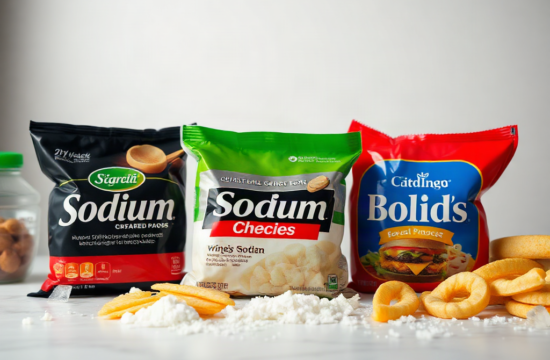
1. Read Food Labels Carefully
Understanding Sodium Content on Labels
One of the most important low sodium diet tips is to develop the habit of reading food labels diligently. Many packaged foods contain hidden sources of sodium, even those you wouldnât expect. By checking the nutrition facts panel, you can quickly identify foods that are high in sodium and choose lower-sodium options. For example, a snack item labeled as “low sodium” should have less than 140 mg per serving, according to FDA guidelines.
When shopping, compare different brands and select the options with the lowest sodium content. Also, pay attention to serving sizes, as larger portions can significantly increase total sodium intake. This simple habit can dramatically reduce your daily sodium intake and contribute to better heart health.
Learning to interpret labels empowers you to make healthier choices effortlessly. As of 2025, many food manufacturers provide clearer label information, making it easier than ever to stick to your low sodium goals.
Identifying Hidden Sodium Sources
Sodium isnât just added at the table or during cooking; itâs often hidden in condiments, bread, and processed foods. For example, bread can contain up to 230 mg of sodium per slice, and canned soups may pack more than 800 mg per serving. Recognizing these hidden sources is a crucial low sodium diet tip that can help you manage your overall intake better.
In 2025, many health professionals emphasize focusing on whole, minimally processed foods to naturally reduce hidden sodium. Switching to fresh produce and home-cooked meals can help avoid the sneaky sources of salt lurking in common supermarket items.
Maintaining a food diary or using smartphone apps can assist you in tracking sodium consumption and ensuring you stay within recommended limits.
2. Cook More at Home
Controlling Salt in Your Meals
One of the most effective low sodium diet tips is to cook more meals at home. When you prepare your own food, you have absolute control over the amount of salt added. Restaurant and takeout meals are often loaded with sodium, sometimes exceeding 1,500 mg per dishâway above the daily recommended limit of 1,500 mg for most adults.
By cooking at home, you can use fresh herbs, citrus, and spices to enhance flavor without relying on salt. For instance, roasting vegetables with garlic and rosemary adds richness without sodium. Making your own soups, salads, and grilled dishes allows you to enjoy flavorful, heart-friendly meals that align with your low sodium diet tips.
Meal prepping for the week can also help you avoid impulsive choices and ensure consistent adherence to low sodium guidelines. In 2025, convenience foods remain popular, but prioritizing home-cooked meals is a proven way to lower salt intake effectively.
Batch Cooking and Planning
Batch cooking is a practical strategy that not only saves time but also helps in maintaining low sodium intake. Prepare large batches of low-sodium soups, stews, or casseroles, then store them in portions. This method keeps you from reaching for high-salt fast foods during busy days.
Planning your weekly menu around low sodium principles ensures youâre never caught unprepared. Use fresh ingredients, and avoid pre-seasoned or processed shortcuts, which often contain excessive salt. This approach keeps your meals flavorful and heart-healthy, especially important for those managing hypertension.
By making cooking at home a routine, youâre actively practicing one of the best low sodium diet tips for 2025 that can have long-term benefits for your cardiovascular health.
3. Use Herbs and Spices Instead of Salt
Enhancing Flavor Naturally
Instead of reaching for the salt shaker, explore using herbs, spices, and acid-based ingredients like lemon juice or vinegar. These natural flavor enhancers can dramatically improve the taste of your dishes without increasing sodium levels. For example, fresh basil, cilantro, or cumin can add depth and complexity to your meals.
Many people underestimate how much salt theyâve been consuming simply because theyâre used to a salty taste. Transitioning to herbs and spices can gradually retrain your palate to enjoy less salt over time. Plus, many herbs like oregano and thyme have health benefits that support heart health.
In 2025, the trend toward natural and clean eating has made herbs and spices more accessible than ever. Experimenting with different combinations can keep your diet interesting and flavorful while adhering to your low sodium diet tips.
Flavor Pairing Tips
Pair herbs like parsley and dill with seafood or eggs for a fresh flavor. Use turmeric and cinnamon in stews or rice dishes for warmth and richness. Lemons and vinegars can brighten salads and cooked vegetables, reducing the need for salt.
Remember, adding a splash of vinegar or a squeeze of lemon can often do more for flavor than salt, helping you stick to your low sodium goals without sacrificing taste. This is one of the easy low sodium diet tips that can be incorporated into everyday cooking with little effort.
4. Choose Fresh and Unprocessed Foods
Why Fresh Matters
Fresh fruits, vegetables, lean meats, and whole grains are naturally low in sodium. By prioritizing these foods in your diet, you significantly cut back on hidden salts and preservatives common in processed items. For example, fresh chicken or fish contains virtually no sodium, unlike many processed deli meats or cured fish products.
Switching to fresh produce also means fewer additives and preservatives, which can contribute to elevated blood pressure over time. Whole foods also retain more nutrients and fiber, supporting overall cardiovascular health in 2025.
Making meals from scratch using fresh ingredients is one of the most effective low sodium diet tips for long-term heart health. While convenience is tempting, the health benefits of fresh, unprocessed foods are well worth the effort.
Shopping Tips for Fresh Foods
Create a shopping list centered on fresh produce, nuts, seeds, and lean proteins. When buying meats, opt for unprocessed cuts and avoid pre-seasoned or cured options. Aim to shop at farmersâ markets or local grocery stores that prioritize fresh, organic produce.
Planning your meals around fresh foods not only helps manage sodium but also enhances the overall quality of your diet. If you are uncertain about how to prepare these ingredients, numerous resources and recipes are available online tailored for low sodium diets.
5. Limit Packaged and Canned Goods
Choosing Fresh and Canned Options Wisely
Many canned and packaged foods are high in sodium to preserve flavor and increase shelf life. For instance, canned soups and vegetables can contain more than 1,000 mg of sodium per serving. To adhere to your low sodium diet tips, opt for fresh or frozen alternatives whenever possible.
If you do use canned goods, choose those labeled “low sodium” or “no salt added.” Rinsing canned vegetables thoroughly can also reduce sodium content by up to 40%. This simple step can make a noticeable difference in your daily intake.
In 2025, transparent labeling and consumer education have improved, making it easier to identify lower-sodium options. Being mindful of these choices is essential for effective sodium management.
Smart Shopping Strategies
- Compare labels and select low sodium versions.
- Use dried or fresh beans and legumes instead of canned varieties.
- Prepare your own seasoning mixes to control salt levels.
Reducing reliance on processed foods by making healthy, low sodium meals from scratch is one of the foundational low sodium diet tips for heart health in 2025.
6. Be Mindful When Eating Out
Communicating Your Dietary Needs
Eating out can be challenging when following a low sodium diet. Many restaurants prepare dishes with generous amounts of salt and salt-based sauces. Always communicate your dietary restrictions clearly to the staff and ask for modifications, such as no added salt or dressing on the side.
Support Your Weight Loss Goals
Huge Discount on the Best Certified Organic Nutrient Dense Supplement!

Many restaurants in 2025 now offer heart-healthy or low sodium menu options, recognizing the demand from health-conscious consumers. Look for these options and review menus online beforehand to plan your choices.
Additionally, choose grilled, steamed, or roasted dishes rather than fried or processed foods. Making conscious choices ensures you can enjoy dining out while staying true to your low sodium diet tips.
Smart Ordering Tips
- Request dressings and sauces on the side.
- Ask for no added salt during preparation.
- Opt for fresh vegetables and lean proteins as main courses.
By being proactive and clear about your needs, dining out aligns with your goal of maintaining a heart-healthy, low sodium lifestyle in 2025.
7. Experiment with Low Sodium Alternatives
Sodium Substitutes and Enhancers
Many health stores now carry low sodium or salt-free seasoning blends designed specifically for those watching their salt intake. These alternative seasonings can provide the same savory flavor as salt without the health risks.
Some options include potassium chloride-based salt substitutes, but itâs important to use them cautiously, especially if you have kidney issues. Always consult with your healthcare provider before using salt substitutes regularly.
Trying new flavors and experimenting with low sodium products keeps your meals exciting and flavorful while sticking to your low sodium diet tips.
Other Heart-Healthy Swaps
Use fruit juices, vinegar, or miso paste in small amounts to add depth of flavor. Incorporate fermented foods like sauerkraut or kimchi that have natural saltiness but also probiotic benefits.
Staying open to alternative flavors helps you discover new favorites and maintain a low sodium diet without feeling deprived.
8. Use Salt Substitutes Wisely
Understanding When to Use Salt Substitutes
Salt substitutes can be a helpful tool, especially for those who miss the taste of salt. However, they often contain potassium chloride, which can have adverse effects for people with kidney problems or those on certain medications. Always consult your healthcare provider before incorporating them into your diet.
When used judiciously, they can add flavor to dishes without adding sodium. Use them in moderation and combine with herbs and spices for optimal taste.
In 2025, new formulations aim to make salt substitutes safer and more palatable, helping more individuals adopt low sodium diets successfully.
Practical Tips for Using Salt Substitutes
- Start with small amounts to gauge flavor.
- Mix with herbs for enhanced taste.
- Avoid using in baking unless specified for that purpose.
This is one of the practical low sodium diet tips to help you enjoy flavor without compromising your heart health goals.
9. Monitor Your Sodium Intake
Using Technology to Track Sodium
Tracking your daily sodium intake is vital. Many apps available in 2025 can help you log your meals and monitor your consumption against recommended limits. Regular monitoring keeps you accountable and identifies dietary patterns that need adjustment.
Set realistic goals, such as staying below 1,500 mg daily, and review your progress weekly. Over time, you’ll develop better awareness of how your food choices affect your sodium intake.
Research indicates that consistent monitoring can significantly improve adherence to low sodium diets, reducing blood pressure and supporting overall heart health.
Adjusting Your Diet Based on Data
If you notice your sodium intake creeping up, revisit your food choices and cooking habits. Focus on healthier ingredients and continue practicing your low sodium diet tips to stay on track. Remember, small changes lead to substantial health benefits in the long run.
10. Stay Informed on Heart-Healthy Nutrition Trends
Keeping Up with the Latest Research
For 2025, staying informed about new research and dietary recommendations related to heart health is a valuable low sodium diet tip. Follow reputable sources such as the American Heart Association or registered dietitians to learn about innovations and updates in heart-healthy nutrition.
Attend webinars, read scientific publications, or subscribe to newsletters focused on cardiovascular health and nutrition. Being proactive ensures your diet aligns with the latest guidelines and scientific findings.
Implementing updated strategies can make your low sodium diet more effective and sustainable over the long term.
Incorporating New Trends Safely
As new low sodium food products and cooking methods emerge, evaluate their benefits carefully. Avoid fad diets or unproven supplements; instead, rely on credible scientific evidence to guide your choices in 2025.
Partnering with a registered dietitian can enhance your understanding and ensure youâre optimizing your low sodium diet tips for heart health.
FAQs
Q1: What are some easy low sodium diet tips for beginners?
Start by reading food labels carefully, cooking at home more often, and using herbs and spices for flavor instead of salt. These simple steps lay a strong foundation for a heart-healthy, low sodium lifestyle.
Q2: How much sodium should I aim for daily in 2025?
The general recommendation is less than 1,500 mg of sodium daily for most adults. However, itâs best to consult with your healthcare provider for personalized advice based on your health status.
Q3: Are there natural ways to reduce sodium in my diet?
Yes, choosing fresh foods, avoiding processed items, and seasoning with herbs and lemon juice naturally lower your sodium intake while enhancing flavor.
Q4: Can I use salt substitutes safely?
Salt substitutes containing potassium chloride can be used cautiously, but always check with your doctor, especially if you have kidney issues or are on medication.
Q5: How can I keep my meals tasty without adding salt?
Experiment with herbs, spices, citrus, vinegar, and low sodium flavoring products. These enhancers can make your meals delicious and align with your low sodium diet tips in 2025.
Conclusion
All in all, adopting a low sodium diet is a critical step toward improving heart health, especially in 2025 where heart disease remains a leading concern worldwide. By following these 10 effective low sodium diet tips, including reading labels, cooking at home, and using herbs and spices, you can significantly reduce your sodium intake and support your cardiovascular wellness. Remember, consistency and mindful choices are key to making lasting changes. Staying informed and proactive ensures you stay on the right track toward a healthier heart and a vibrant life in 2025 and beyond.
Huge Discount on the Best Certified Organic Nutrient Dense Supplement!
Related Content
- The Ultimate 2025 Guide to Dieting Without Feeling Hungry: Top 10 Strategies
- Simple Tips On How To Lose Weight
- How to Lose Weight Without Following Fad Diets: Practical Steps and Effective Food Choices
- Excellent Advice If You Are Trying To Lose Weight
- 10 Effective sustainable dieting methods to transform your health in 2025