- 1. Emphasize Whole, Unprocessed Foods
- 2. Incorporate Plant-Based Proteins
- 3. Prioritize Fiber-Rich Foods
- 4. Practice Portion Control with Whole Foods
- 5. Reduce Refined Sugars and Processed Foods
- 6. Include Healthy Fats in Your Diet
- 7. Stay Hydrated with Natural Beverages
- 8. Plan and Prepare Meals in Advance
- 9. Use Mindful Eating Techniques
- 10. Track Progress and Adjust Accordingly
1. Emphasize Whole, Unprocessed Foods
Why Whole Foods Are the Foundation of Effective Weight Loss
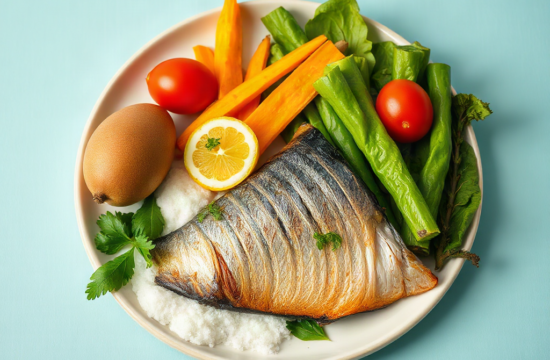
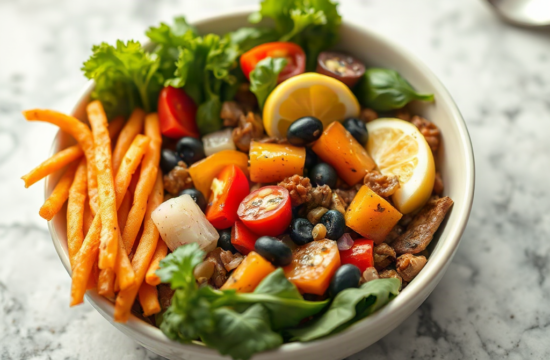
Starting with whole, unprocessed foods is a cornerstone of whole food weight loss. When I first shifted my diet to focus on foods in their natural state, I noticed improvements in my energy levels and satiety. Whole foods like fresh vegetables, fruits, nuts, seeds, and unrefined grains contain essential nutrients without the added sugars and preservatives found in processed foods.
Research from 2025 indicates that diets rich in whole foods are associated with better weight management outcomes and reduced risk of chronic diseases. These foods help stabilize blood sugar levels, prevent overeating, and support your metabolism.
It’s tempting to rely on convenience foods, but making a conscious effort to choose whole, minimally processed options is more effective for long-term weight loss and overall wellness. Swap out packaged snacks for fresh fruit or nuts, and you’ll notice a significant difference over time.
Practical Tips for Incorporating Whole Foods
Create a weekly shopping list focused on whole foodsâthink colorful vegetables, seasonal fruits, lean proteins like poultry, and whole grains. Cooking at home allows you to control ingredients and avoid hidden sugars and unhealthy fats.
Another tip is to read labels carefully; if an item has a long list of additives, itâs better to skip it. Emphasizing whole foods isnât just about weight lossâit’s about cultivating a sustainable, healthy lifestyle.
2. Incorporate Plant-Based Proteins
Benefits of Plant Proteins for Weight Loss
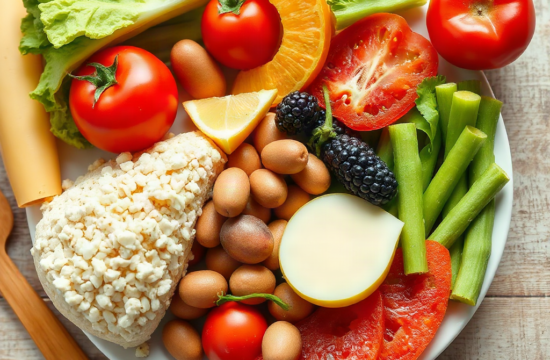
Integrating plant-based proteins like beans, lentils, chickpeas, and tofu into your diet can improve your whole food weight loss journey. These options are usually lower in calories compared to animal proteins but rich in fiber and nutrients, which help you feel full longer.
Studies from 2025 suggest that diets emphasizing plant proteins lead to better weight control and cardiovascular health. They also have a lower environmental impact, aligning with sustainable living principles.
If youâre skeptical about replacing meat entirely, start by adding a plant-based protein source to one meal per day. Over time, youâll notice a natural reduction in calorie intake and better appetite regulation.
Creative Ways to Incorporate Plant Proteins
You can add lentils to salads, swap ground beef for lentil-based patties, or enjoy chickpea hummus as a snack. These small shifts have a cumulative effect on your health and weight loss goals.
Meal prepping with plant proteins makes it easier to stick to your plan. Cook a batch of legumes for the week and incorporate them into various dishes. This consistency supports sustainable whole food weight loss in 2025.
3. Prioritize Fiber-Rich Foods
The Impact of Fiber on Weight Loss
Fiber is an essential nutrient that plays a crucial role in whole food weight loss. High-fiber foods like oats, berries, broccoli, and chia seeds help slow digestion, keeping you satiated longer and reducing the likelihood of overeating.
Recent studies in 2025 confirm that increasing fiber intake can aid in weight reduction by stabilizing blood sugar spikes and supporting gut health. A healthy gut microbiome influences overall metabolism and can help with weight management.
Experts recommend aiming for at least 25-30 grams of fiber daily. Incorporating a variety of fiber sources ensures you reap the full benefits for weight loss and improved digestion.
Tips to Boost Your Fiber Intake
Add berries to your morning oatmeal, snack on raw veggies, or include beans in your soups and stews. Gradually increasing fiber helps prevent digestive discomfort, making it easier to stick with your whole food approach.
Remember, hydrate well as fiber needs water to work effectively in your system. Over time, a fiber-rich diet supports sustainable whole food weight loss in 2025 and beyond.
4. Practice Portion Control with Whole Foods
The Role of Proper Portions in Weight Management
Even healthy, whole foods can contribute to weight gain if portions are too large. Learning how to control portions helps you enjoy a variety of foods without overeating. Itâs about moderation and balance, especially in the context of whole food weight loss.
In 2025, many successful weight loss strategies emphasize mindful eating and controlled servings. Using smaller plates, pre-portioning snacks, or measuring out servings are effective techniques to stay on track.
One practical tip is to listen to your hunger cuesâeat slowly and stop when satisfied, not stuffed. This fosters a healthier relationship with food and supports ongoing weight management.
Tools and Tips for Portion Control
Invest in a kitchen scale and measuring cups to accurately gauge food portions. Keep healthy snacks pre-portioned for convenience, and avoid eating straight from large containers.
Combine portion control with your whole food choices, and you’ll find it easier to maintain a calorie deficit essential for effective whole food weight loss in 2025.
5. Reduce Refined Sugars and Processed Foods
The Impact of Sugar and Processed Foods on Weight Loss
Refined sugars and processed foods sabotage your whole food weight loss efforts. They cause quick spikes and crashes in blood sugar, triggering hunger and cravings that lead to overeating.
As of 2025, health experts emphasize that cutting back on these foods is critical for sustainable weight management. Instead, replace them with naturally sweet options like berries, dates, or honey in moderation.
Eliminating or reducing processed snacks, baked goods, and sugary beverages can lead to significant health improvements and weight loss results over time.
Practical Strategies to Cut Down on Sugar
Start by reading food labels carefully, looking out for added sugars. Prepare homemade snacks and desserts with natural ingredients. Incorporate spices like cinnamon or vanilla to add flavor without sugar.
Gradually decreasing your sugar intake while focusing on whole, nutrient-dense foods creates a healthier, more sustainable approach to whole food weight loss in 2025.
6. Include Healthy Fats in Your Diet
Why Healthy Fats Are Essential for Weight Loss
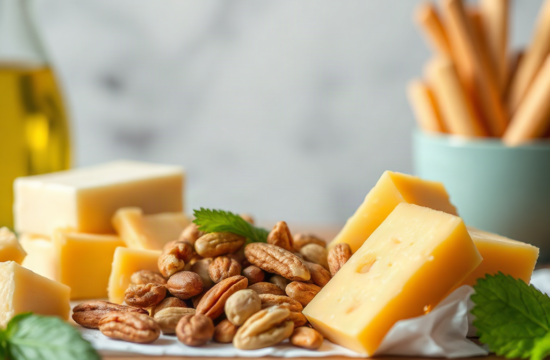
Contrary to outdated beliefs, healthy fats are vital for weight loss and overall health. Sources like avocados, nuts, seeds, and olive oil provide essential fatty acids that support hormone production and satiety.
In 2025, nutritional science continues to support that a moderate intake of healthy fats helps balance blood sugar and reduces overeating. Including these fats in your meals can also improve the flavor and satisfaction, making it easier to stick to your whole food plan.
Support Your Weight Loss Goals
Huge Discount on the Best Certified Organic Nutrient Dense Supplement!

Just remember, fats are calorie-dense, so portion control is key. Use measure or handful rules to keep intake within healthy limits.
Practical Ways to Incorporate Healthy Fats
Add a handful of nuts to your salads, drizzle olive oil on roasted vegetables, or include avocado slices in your sandwiches. These small but impactful changes enhance your diet quality and promote sustainable weight loss.
7. Stay Hydrated with Natural Beverages
The Role of Hydration in Whole Food Weight Loss
Proper hydration is often overlooked, but itâs fundamental for effective weight loss. Water helps regulate appetite, improves digestion, and boosts metabolism. Opt for natural, zero-calorie beverages like plain water, herbal teas, and infused water.
In 2025, new research shows that drinking enough water can subtly increase calorie expenditure and support your weight loss efforts when combined with healthy whole foods.
Consistency is keyâaim for at least eight glasses of water daily, and experiment with herbal infusions for variety and added flavor.
Tips for Staying Hydrated
Start your day with a glass of water, carry a reusable bottle, and set reminders if needed. Avoid sugary drinks that can sabotage your progress and replace them with natural options.
Proper hydration complements your whole food weight loss strategy, ensuring your body functions optimally and your metabolism stays active.
8. Plan and Prepare Meals in Advance
The Benefits of Meal Planning for Whole Food Weight Loss
Meal planning is a game-changer. It helps you stick to your healthy priorities, avoid last-minute unhealthy choices, and budget better. Preparing your meals in advance ensures you always have access to nutritious, whole food options.
In 2025, many successful weight loss programs incorporate weekly meal prep as a core component. It minimizes temptations and supports portion control, which is vital for sustainable weight management.
Spend a bit of time each weekend selecting recipes, shopping, and meal prepping. This habit makes healthy eating effortless and keeps you aligned with your goals.
Practical Tips for Effective Meal Prep
Create a menu that includes a variety of whole foodsâroasted vegetables, grilled proteins, and whole grains. Use airtight containers to store pre-portioned meals. Batch cooking saves time and reduces stress during busy weekdays.
Pair meal planning with mindful eating and regular exercise to optimize your whole food weight loss plan for 2025.
9. Use Mindful Eating Techniques
The Power of Mindfulness in Weight Loss
Mindful eating involves paying full attention to the experience of eatingâ savoring flavors, chewing slowly, and recognizing hunger cues. This practice helps prevent overeating and promotes better digestion.
Research in 2025 supports the idea that mindful eating enhances your awareness of fullness, which is particularly beneficial when consuming whole foods that naturally demand more attention than processed options.
Implementing these techniques takes practice but yields long-term benefits for your relationship with food and your overall health.
Practical Mindful Eating Strategies
Set aside dedicated mealtimes without distractions like screens. Take small bites and chew thoroughly. Pause between bites and ask yourself if you are still hungry.
Keeping a food journal can also heighten your mindful awareness, making it easier to stay committed to whole food weight loss in 2025 and beyond.
10. Track Progress and Adjust Accordingly
The Importance of Monitoring Your Journey
Consistent tracking helps you understand what works and what needs adjustment. Use apps, journals, or photos to document your meals, physical activity, and weight progress. This data guides you to make informed decisions.
In 2025, various digital tools harness AI to provide personalized insights, making tracking more intuitive and effective.
Adjust your strategies based on your observationsâif certain whole foods arenât satisfying or if weight loss plateaus, tweak your approach to stay aligned with your goals.
Tips for Successful Monitoring
- Set realistic goals and review them weekly.
- Celebrate small victories to stay motivated.
- Seek support from communities or professionals if needed.
Remember, consistency and flexibility are key. Tracking your progress ensures you stay on course with your whole food weight loss journey in 2025.
Frequently Asked Questions
1. What is the best way to start a whole food weight loss plan in 2025?
Begin by replacing processed snacks with whole foods, plan your meals ahead, and practice mindful eating. Consistency and patience are essential for sustainable results.
2. How important is fiber in a whole food weight loss diet?
Fiber is crucial because it promotes fullness, stabilizes blood sugar, and supports gut healthâall vital factors in effective weight loss. Aim for a variety of fiber-rich foods daily.
3. Can I still eat fats and lose weight with whole food weight loss?
Yes! Focus on healthy fats like avocados, nuts, and olive oil. These fats are essential and, when consumed in moderation, contribute to satiety and balanced hormones.
4. How do I stay motivated in my whole food weight loss journey for 2025?
Set achievable goals, track your progress, and incorporate enjoyable activities. Remember, sustainable changes lead to lasting results, so celebrate each small victory along the way.
5. Why is meal planning vital for whole food weight loss?
Meal planning helps you avoid impulsive, unhealthy choices and ensures you always have access to nutritious options, making it easier to stick to your goals in 2025.
Conclusion
Achieving sustainable weight loss in 2025 is entirely attainable by focusing on whole food weight loss strategies. Emphasizing unprocessed, nutrient-dense foods, practicing portion control, reducing sugar intake, and staying consistent with meal planning are proven methods that work. Remember, the journey is about creating healthy habits that last a lifetime, not just quick fixes. By implementing these 10 effective strategies, youâll be well on your way to reaching your health and weight goals this year and beyond.
Huge Discount on the Best Certified Organic Nutrient Dense Supplement!