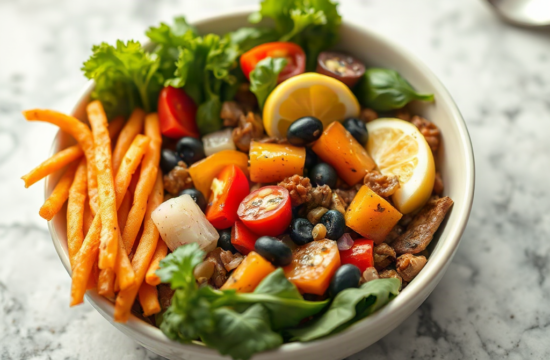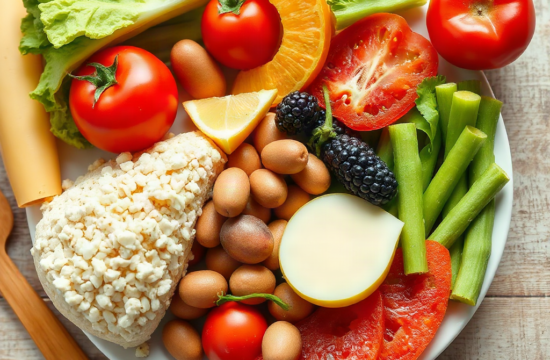

To successfully manage weight while enjoying a diverse diet, it’s essential to understand the role of macronutrients and micronutrients. Instead of cutting out carbs or fats completely, aim to balance them within your meals. This equilibrium can prevent cravings and help maintain energy levels, making it easier to stick to your weight loss goals.
Many people mistakenly believe that weight loss requires extreme dietary restrictions. However, studies show that such methods often lead to yo-yo dieting and can harm metabolic health. Prioritizing a balanced diet that includes all food groups can foster a healthier relationship with food and encourage long-term success.
Understanding Macronutrients and Their Roles
Macronutrients—carbohydrates, proteins, and fats—are essential for bodily functions and energy. Understanding their roles can help you create meals that support weight loss without sacrificing entire food groups. Each macronutrient serves a specific purpose: carbohydrates provide energy, proteins aid in muscle repair, and fats support nutrient absorption.
To achieve a balanced diet, aim for a variety of sources for each macronutrient. For example, complex carbohydrates from whole grains and fiber-rich fruits ensure sustained energy levels while avoiding spikes in blood sugar. Including lean proteins like chicken, fish, or plant-based options can help maintain muscle mass, which is crucial for metabolism.
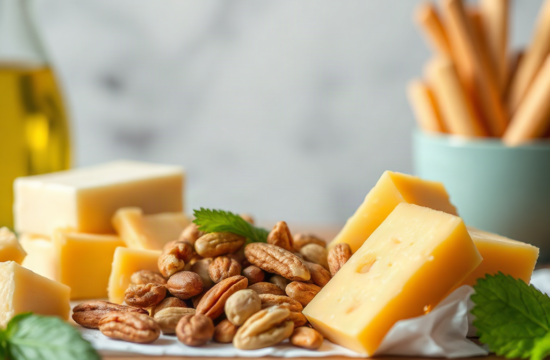
It’s important to recognize that not all fats are created equal. Incorporating healthy fats from sources like avocados, nuts, and olive oil can enhance satiety and support overall health. Prioritizing whole, minimally processed foods over refined options will provide better nutrient density and promote better weight management.
The Importance of Portion Control
Portion control is a critical factor in managing caloric intake without eliminating food groups. Even healthy foods can contribute to weight gain if consumed in excessive amounts. Learning to listen to your body’s hunger cues and serving appropriate portions can lead to better weight management.
Using smaller plates, measuring serving sizes, and being mindful of portion sizes when dining out can help you maintain control over your calorie intake. It’s also beneficial to practice mindful eating—taking time to enjoy your meals can help prevent overeating and improve digestion.
Many people overlook the concept of energy density, which refers to the number of calories in a given volume of food. Foods that are low in energy density, such as vegetables and fruits, can be consumed in larger quantities without significantly impacting caloric intake. Prioritizing these foods can help you feel fuller while still losing weight.
Incorporating Variety for Nutritional Balance
Diverse eating is crucial for obtaining a wide range of nutrients essential for health. Including various food groups ensures you are not only losing weight but also nourishing your body adequately. This variety helps prevent nutrient deficiencies and supports overall well-being.
Experimenting with different cuisines and cooking methods can make meals more enjoyable and encourage you to try new foods. Aim to include a rainbow of fruits and vegetables in your diet, which can provide a spectrum of vitamins and minerals. Whole grains, lean proteins, and healthy fats should also be part of your daily meals.
Support Your Weight Loss Goals
Huge Discount on the Best Certified Organic Nutrient Dense Supplement!
Moreover, rotating food choices can prevent dietary boredom and enhance your relationship with food. This approach can lead to sustainable weight loss, as you are less likely to feel deprived and more likely to stick to your healthy eating patterns in the long run.
Common Mistakes to Avoid
One of the most common mistakes individuals make when trying to lose weight is adopting overly restrictive diets. These can lead to feelings of deprivation, which often result in binge eating later on. Instead, focusing on moderation and balance can create a healthier approach to weight loss.
Another mistake is neglecting the importance of physical activity. While diet plays a crucial role in weight management, incorporating regular exercise can enhance your results and improve overall health. Aim for a mix of cardiovascular and strength-training exercises to support your weight loss journey.
Ultimately, be cautious of hidden calories in beverages and condiments. Many people overlook drinks like sugary sodas, alcoholic beverages, and even high-calorie coffee drinks that can significantly impact weight loss efforts. Being mindful of these can help maintain your caloric goals without cutting out entire food groups.
Further Reading
For readers seeking more in-depth information about balanced diets and weight management, consider exploring resources from registered dietitians or reputable health organizations. They can provide valuable insights into creating a personalized nutrition plan that aligns with your goals.
Further Reading
Authoritative Sources
- MedlinePlus
medlineplus.govConsumer-friendly medical and health information from the U.S. National Library of Medicine.
- National Institutes of Health
nih.govResearch-based health information and links to authoritative medical resources.
- Centers for Disease Control and Prevention
cdc.govOfficial public health guidance, prevention resources, and topic-specific recommendations.
- Mayo Clinic
mayoclinic.orgTrusted clinical guidance, symptom explainers, and treatment overviews.
- World Health Organization
who.intGlobal health guidance, fact sheets, and evidence-based public health information.
Frequently Asked Questions
Can I really lose weight without cutting out carbs?
Yes, you can lose weight without cutting out carbs by focusing on portion control and choosing whole, unprocessed carbohydrates like fruits and whole grains.
What are some healthy snacks that won’t sabotage my diet?
Healthy snacks include fruits, vegetables with hummus, Greek yogurt, or nuts. These options provide nutrients without excessive calories.
How can I enjoy treats while still losing weight?
Incorporate treats in moderation, allowing yourself small portions occasionally to satisfy cravings without derailing your progress.
Is exercise necessary for weight loss?
While not strictly necessary, exercise can enhance weight loss efforts and improve overall health and well-being.
What should I prioritize in my diet for effective weight loss?
Focus on whole foods, balanced macronutrients, and portion control. Prioritizing variety and nutrient density will support sustainable weight loss.
Conclusion
To lose weight without eliminating entire food groups, prioritize balance, moderation, and variety in your diet. Understanding macronutrients, practicing portion control, and incorporating a wide range of foods can create a sustainable path toward weight management. Avoid common pitfalls by steering clear of overly restrictive diets and focusing on nourishing your body with diverse, whole foods. Ultimately, a balanced approach will not only help you achieve your weight loss goals but also foster a healthier relationship with food.