Table of Contents
- 1. Prioritize a Balanced Nutrition-Based Approach
- 2. Practice Portion Control Consistently
- 3. Incorporate Meal Planning & Prep
- 4. Choose Smart Snacks for Sustained Energy
- 5. Stay Hydrated with Water & Hydrating Foods
- 6. Combine Diet with Regular Exercise
- 7. Practice Mindful Eating Strategies
- 8. Track Your Progress and Adjust
- 9. Improve Sleep & Manage Stress
- 10. Seek Support and Stay Motivated
1. Prioritize a Balanced Nutrition-Based Approach
Understanding the Essentials of a Weight Loss Diet Chart
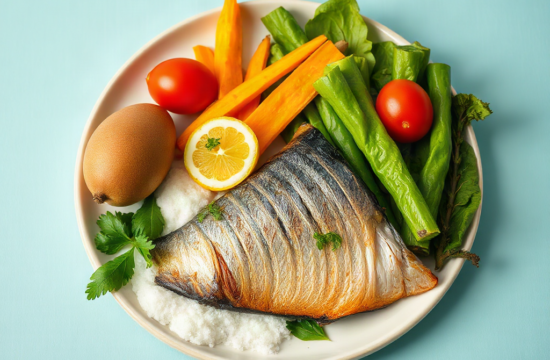
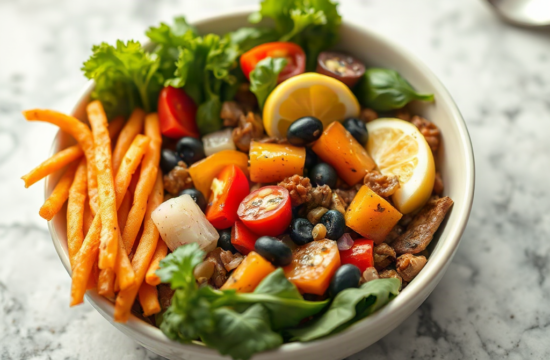
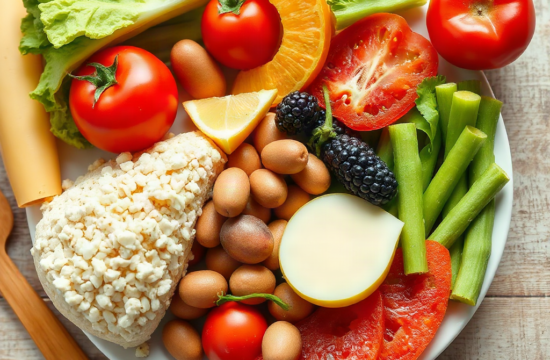
In 2025, successful weight loss is increasingly driven by a balanced approach that encompasses all essential nutrients. Your weight loss diet chart should include a healthy mix of carbohydrates, proteins, healthy fats, vitamins, and minerals. This balance helps maintain energy levels, supports metabolism, and prevents nutritional deficiencies.
For example, emphasizing complex carbs like oats, quinoa, and vegetables over simple sugars can stabilize blood sugar and curb cravings. Incorporating lean proteins such as chicken, fish, or plant-based options like lentils helps build muscle and promotes fat burning. Fat sources like avocados, nuts, and olive oil provide satiety and support overall health.
Research indicates that people who follow a nutrient-rich, balanced diet tend to sustain weight loss longer. In 2025, many diet plans incorporate micronutrient focus to enhance overall wellness, which is a vital part of any effective weight loss diet chart.
Practical Tips to Design Your Balanced Diet
Start by planning each meal around a source of lean protein, vegetables, and whole grains. For breakfast, consider oatmeal topped with berries and a handful of nuts. Lunch could be a grilled chicken salad with colorful vegetables, and dinner might be baked salmon with steamed broccoli and quinoa.
Keep processed foods and sugary drinks to a minimum. Opt for homemade meals where you control the ingredients, ensuring your weight loss diet chart remains nutritious and effective. Remember, consistency is keyâstick to your plan but allow flexibility for occasional treats.
By focusing on building a practical, nutritious weight loss diet chart, you set a strong foundation for sustainable weight management in 2025.
2. Practice Portion Control Consistently
Why Portion Control Matters for Weight Loss
In 2025, portion control remains one of the most effective tools for managing calorie intake without feeling deprived. Even healthy foods can lead to weight gain if consumed in large amounts. A well-structured weight loss diet chart includes specific serving sizes suited to your body’s needs.
Studies show that controlling portion sizes can reduce calorie intake by up to 25%, leading to steady weight loss over time. This is especially important in a world where oversized portions and supersized meals are common.
By learning to read labels and use measuring tools, you can develop a sense of appropriate portion sizes, helping you stick to your weight loss diet chart efficiently.
Tips for Effective Portion Control
- Use smaller plates and bowls to naturally limit portion sizes.
- Start meals with a glass of water to help you feel full sooner.
- Pre-portion snacks in small containers to avoid mindless overeating.
Practicing consistent portion control ensures your calorie intake aligns with your weight loss goals. It also promotes mindful eatingâpaying attention to hunger signals and fullness cues.
3. Incorporate Meal Planning & Prep
The Benefits of Meal Planning for Your Weight Loss Diet Chart
Meal planning is a game-changer for sticking to a weight loss diet chart in 2025. Planning ahead reduces impulsive eating and ensures you always have nutritious options available. It also helps you balance your macro and micronutrients effectively throughout the week.
By dedicating a couple of hours weekly to prepare meals, you minimize the temptation to opt for unhealthy fast food. Proper planning supports portion control and ensures your diet remains aligned with your weight loss goals.
Effective meal prep can also save time and reduce stress, making it easier to maintain consistency in your diet plan.
Practical Steps to Start Meal Prep
- Create a weekly meal calendar aligning with your weight loss diet chart.
- Cook and portion meals in advance, storing them in refrigerator or freezer containers.
- Include a variety of healthy recipes to keep your diet exciting and sustainable.
With organized meal prep, you’ll find it easier to resist unhealthy temptations, stay within your calorie targets, and follow your weight loss diet chart more effectively.
4. Choose Smart Snacks for Sustained Energy
Why Snacking Smartly Is Crucial
In 2025, strategic snacking plays an important role in a successful weight loss plan. Smart snacks can keep your energy levels stable, prevent overeating during main meals, and contribute to your overall progress on the weight loss diet chart.
Opt for nutrient-dense snacks such as Greek yogurt, nuts, seeds, fruit, or raw vegetables with hummus. These options are low in calories but high in fiber, protein, and healthy fats, which keep you full longer.
By choosing the right snacks, you can prevent blood sugar spikes and crashes, reducing cravings that lead to overeating.
Guidelines for Effective Snacking
- Limit processed snacks high in sugar and unhealthy fats.
- Set designated snack times to avoid unnecessary grazing.
- Include a source of protein or fiber with each snack for satiety.
Incorporating healthy snacks as part of your weight loss diet chart enhances your ability to sustain weight loss naturally and healthily in 2025.
5. Stay Hydrated with Water & Hydrating Foods
Hydration’s Role in Weight Loss
A key component of any effective weight loss diet chart in 2025 is adequate hydration. Water boosts metabolism, aids digestion, and helps control appetite. Sometimes, thirst is mistaken for hunger, leading to unnecessary calorie intake.
Eating hydrating foods like cucumbers, watermelon, oranges, and lettuce adds water content and reduces the need for excessive drinking. Aim for at least 8-10 glasses of water daily, or more if you are physically active or live in a hot climate.
Proper hydration also supports detoxification processes that promote overall health and weight loss success.
Tips to Maintain Optimal Hydration
- Start your day with a glass of water and continue sipping regularly.
- Infuse water with natural flavors like lemon, mint, or berries to encourage drinking.
- Drink before meals to curb appetite naturally.
By maintaining hydration, you enhance your metabolism, digestion, and overall effectiveness of your weight loss diet chart in 2025.
6. Combine Diet with Regular Exercise
The Synergy Between Diet and Exercise
In 2025, a comprehensive weight loss approach integrates a well-designed weight loss diet chart with regular physical activity. Exercise accelerates calorie burning and preserves lean muscle mass during weight loss.
While diet alone can lead to weight loss, combining it with cardio, strength training, or flexibility exercises enhances results and keeps your metabolism active. Even 30 minutes of brisk walking daily can make a significant difference.
Good HealthY DIETING Solution is Easier Than Most People Think!
Take a Look for Yourself!
Working with a fitness expert to customize your exercise routine ensures compatibility with your dietary plan and personal preferences, leading to higher adherence.
Practical Tips for Combining Exercise and Diet
- Schedule workouts at consistent times to build habit.
- Adjust your calorie intake on exercise days to support recovery.
- Stay hydrated and include protein-rich post-workout meals.
The synergy of exercise and a tailored weight loss diet chart in 2025 creates a sustainable weight management routine.
7. Practice Mindful Eating Strategies
Enhancing Diet Adherence with Mindfulness
Mindful eating involves paying close attention to what and how you eat, which can significantly improve your results on a weight loss diet chart in 2025. It helps prevent overeating, emotional eating, and triggers that derail your progress.
By slowing down, savoring each bite, and listening to your body’s hunger cues, you can naturally reduce calorie intake and enjoy your food more. This approach promotes better digestion and satisfaction.
Research supports that mindful eating leads to healthier food choices and improved portion control, aligning perfectly with your weight loss goals.
Implementing Mindful Eating Habits
- Eat without distractions, such as screens or work stress.
- Use smaller utensils and plates to encourage smaller bites and portions.
- Pause between bites to assess your hunger and fullness levels.
Adopting mindful eating as part of your overall diet strategy enhances the effectiveness of your weight loss diet chart and fosters long-term healthy habits.
8. Track Your Progress and Adjust
The Importance of Monitoring Your Weight Loss Journey
Regularly tracking your progress is essential for staying motivated and making necessary adjustments to your weight loss diet chart in 2025. Use tools like a journal, apps, or photos to monitor weight, measurements, and dietary habits.
Understanding your body’s response to different foods and portions helps personalize your plan for better results. Sometimes, small tweaksâlike caloric adjustments or adding varietyâcan make a big difference.
Research suggests that consistent tracking improves adherence and leads to better long-term outcomes in weight management.
Tips for Effective Monitoring
- Weigh yourself weekly at the same time of day.
- Keep a food diary to identify patterns and triggers.
- Celebrate milestones to maintain motivation.
In 2025, integrating tracking tools with your weight loss diet chart ensures continuous progress and helps you stay on track with your health goals.
9. Improve Sleep & Manage Stress
Impact of Sleep and Stress on Weight Loss
Sleep quality and stress levels significantly influence your ability to succeed with a weight loss diet chart in 2025. Poor sleep can disrupt hormones that regulate hunger, leading to increased appetite and cravings for unhealthy foods.
Chronic stress elevates cortisol levels, promoting fat storage, especially around the abdominal area. Managing stress through relaxation techniques supports overall health and weight loss efforts.
Prioritizing restful sleep and stress management enhances your hormonal balance, energy levels, and compliance with your dietary plan.
Effective Strategies for 2025
- Establish a calming bedtime routine and maintain consistent sleep schedules.
- Practice mindfulness, meditation, or yoga to reduce stress.
- Limit screen time before bed and create a relaxing sleep environment.
Implementing these habits in your lifestyle improves your ability to follow a sustainable weight loss diet chart in 2025.
10. Seek Support and Stay Motivated
The Role of Support Systems in Weight Loss
Having a support system can significantly impact your success with a weight loss diet chart in 2025. Whether it’s friends, family, online communities, or professional guidance, encouragement keeps you accountable and motivated.
Sharing your goals and progress fosters a sense of community and helps you stay committed, even during plateaus or setbacks.
Studies indicate that individuals with social support are more likely to stick to their diet and achieve long-term results.
Actionable Tips to Stay Motivated
- Set clear, achievable goals and track your wins.
- Join online forums or local groups focused on healthy living.
- Reward yourself for milestones reached (non-food rewards).
In 2025, integrating support networks with your diet plan enhances your resilience, motivation, and eventual success.
Conclusion
Created with care and scientific backing, your weight loss diet chart is an essential tool to reach your health goals in 2025. Incorporating these 10 strategiesâranging from balanced nutrition to mindful habitsâcan lead to sustainable weight management. Remember, consistency and support are key. By following this ultimate guide, you’ll be well on your way to a healthier, happier you in 2025. The importance of a well-crafted weight loss diet chart cannot be overstated in achieving long-term success.
Frequently Asked Questions
1. What is a good weight loss diet chart for beginners in 2025?
A good weight loss diet chart for beginners emphasizes balanced nutrition, portion control, and sustainability. Focus on whole foods, incorporate regular meals, and include physical activity for best results.
2. How often should I update my weight loss diet chart?
You should review and adjust your diet chart every 4-6 weeks based on progress, lifestyle changes, or plateaus to ensure continued effectiveness.
3. Can I follow a weight loss diet chart without exercising?
While diet alone can lead to weight loss, combining it with regular exercise accelerates results and improves overall health. In 2025, a holistic approach is most effective.
4. Is it necessary to count calories in my weight loss diet chart?
Counting calories can be helpful, especially initially, to create awareness of your intake. However, focusing on nutrient-dense foods and portion control is equally important.
Final Thoughts
Implementing these effective strategies within your weight loss diet chart in 2025 will greatly enhance your chances of reaching your goals sustainably. Remember, consistency, support, and mindfulness are your best allies on this journey. Take charge today and start building a healthier tomorrow!
Good HealthY DIETING Solution is Easier Than Most People Think!
Take a Look for Yourself!
Related Content
- 10 Effective diet tips for better energy in 2025: The Ultimate Guide
- Experience Successful Weight Loss With These Great Tips
- Tips On The Right Weight Loss Plan To Follow
- 10 Best dieting and metabolism boosting tips to Supercharge Your Results in 2025
- The Effects of Caffeine on Weight Loss Efforts: Mechanisms, Benefits, and Practical Considerations