- 1. Set Realistic and Clear Goals
- 2. Plan Your Meals and Snacks Ahead
- 3. Keep Track of Your Progress
- 4. Find Support and Accountability
- 5. Incorporate Flexibility and Cheat Days
- 6. Focus on Healthy Habits, Not Perfection
- 7. Celebrate Your Successes and Adjust as Needed
1. Set Realistic and Clear Goals
Understanding Your Why
One of the first steps in mastering how to stick to a diet plan is understanding why you want to lose weight or adopt healthier eating habits. When your goals are meaningful and aligned with your personal values, you’re more motivated to stay committed. Whether it’s improving your overall health, boosting energy levels, or fitting into your favorite clothes, clarity about your reasons adds resilience during challenging times.
For example, setting a goal like “I want to lose 10 pounds by June” is specific and measurable. But coupling it with your personal motivationâsuch as wanting better mental clarityâcan give you an emotional boost to persevere. This emotional connection is essential in ensuring you stick to your plan in 2025, especially with new trends and temptations emerging.
Research supports that clear, attainable goals increase the likelihood of success. According to a 2024 study, people who define specific and realistic targets are 43% more likely to stick with their diet plans long-term. So, take time to reflect and set achievable goals tailored to your lifestyle.
Break Goals Into Smaller Milestones
Large goals can feel overwhelming, making it harder to stay on track. Instead, break your main goal into smaller, manageable milestones. For instance, target losing 2 pounds a month rather than fixating on a big number. This approach makes progress more measurable and keeps you motivated along the way.
Implementing incremental goals also helps you recognize early wins, which build confidence and reinforce your commitment. Each small success fuels your motivation and makes the journey to achieve your ultimate goal less daunting.
Keep a journal or use apps to track these milestones, so you can visually see your progress. Remember, consistency beats perfectionâcelebrating small victories encourages persistence in 2025.
2. Plan Your Meals and Snacks Ahead
The Power of Meal Planning
Knowing what you’ll eat each day reduces impulsive decisions and unhealthy temptations. Meal planning is a cornerstone of how to stick to a diet plan because it provides structure and predictability. During busy mornings or late nights, having pre-prepared meals or snack options saves time and keeps nutrition on track.
Designing weekly menus allows you to incorporate nutrient-dense foods, control portion sizes, and align with your calorie goals. For example, prepping healthy breakfasts like overnight oats or boiled eggs ensures a quick start without resorting to fast food. This routine also encourages better food choices, supporting your overall health in 2025.
Studies from 2023 show that individuals who plan their meals are 50% more likely to adhere to their diet plans. Even simple planning, like writing shopping lists or batch cooking, can significantly improve your success rate.
Keep Healthy Snacks Accessible
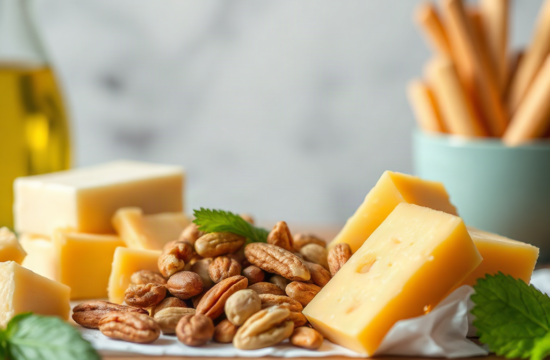
Cravings can derail your diet if healthy options are not readily available. Stock your pantry and fridge with nutritious snacks like nuts, fruits, Greek yogurt, and veggie sticks. When hunger strikes unexpectedly, these choices help you avoid reaching for processed or high-sugar foods.
Preparing grab-and-go snack packs can also make sticking to your diet in 2025 easier during work or travel. Remember, strategic planning manifests as real-world results, making it easier to maintain consistency.
Additionally, practicing mindful eating habits during meals and snacks fosters better portion control and reduces overeating, supporting your dietary goals effectively.
3. Keep Track of Your Progress
Utilize Journals and Apps
Monitoring your daily food intake, exercise, and emotional triggers provides insights into what works and what doesnât. Using fitness apps or traditional journals helps you stay accountable, making it easier to understand how to stick to a diet plan in the long run.
Research indicates that tracking progress increases adherence by up to 30%. Seeing your improvementsâlike weight loss, increased energy, or improved moodâserves as positive reinforcement that you’re on the right path.
Also, tracking habits allows you to identify patterns such as emotional eating or skipped workouts, prompting proactive adjustments. Consistency in tracking builds the discipline needed for successful weight management in 2025.
Celebrate Small Wins
Every milestone, whether itâs fitting into a smaller size or hitting a weekly step goal, deserves recognition. Celebrating small wins keeps you motivated and helps solidify healthy habits. Remember, progress is often gradual, but celebrating even tiny achievements boosts confidence and persistence.
For example, reward yourself not with food but with new workout gear or a relaxing massage. These rewards reinforce positive behavior without sabotaging your diet.
Overall, embracing a habit of tracking and celebrating supports continuous motivation and adherence, crucial for staying on your diet plan.
4. Find Support and Accountability
Partner Up or Join Communities
Having someone to share your journey with makes a significant difference. Whether itâs a friend, family member, or an online community, accountability partners motivate you to stay on track. Sharing your goals and progress with others creates a sense of responsibility and camaraderie.
Participating in support groups or fitness challenges in 2025 connects you with like-minded individuals, providing encouragement during setbacks. Social accountability is linked with a 65% higher success rate in maintaining diet plans, according to recent studies.
Using social media or dedicated apps can help you find communities focused on healthy living, providing tips, motivation, and shared experiences to reinforce your commitment.
Hire a Professional or Coach
If you’re serious about your health goals, working with a registered dietitian or a personal coach can personalize your plan and provide expert guidance. Professionals help tailor strategies based on your lifestyle, medical history, and preferences, making it easier to stick to your diet plan in 2025.
Good HealthY DIETING Solution is Easier Than Most People Think!
Take a Look for Yourself!
Regular check-ins reinforce accountability, help troubleshoot obstacles, and ensure you stay motivated. The investment often pays off by accelerating your progress and building sustainable habits.
Remember, support systems are vital. They not only hold you accountable but also provide emotional encouragement, which is crucial in overcoming plateaus or motivation dips.
5. Incorporate Flexibility and Cheat Days
The Role of Flexibility
Restrictive diets can lead to burnout and feelings of deprivation, making it harder to sustain your plans long-term. Learning how to stick to a diet plan includes incorporating flexibility to enjoy special occasions or treat yourself once in a while.
In 2025, flexible dieting concepts like IIFYM (If It Fits Your Macros) are gaining popularity because they promote moderation rather than strict deprivation. Allowing yourself small indulgences prevents feelings of guilt and promotes balance.
Key is moderationâset boundaries and plan treats in advance. This approach can help you maintain consistency without feeling deprived, supporting ongoing adherence to your health goals.
Schedule Regular Cheat Days
Strategically planned cheat days can refresh your mindset and help avoid binge eating. These days should be integrated thoughtfully so they donât derail your progress. For example, choosing one day per week or month as a planned treat keeps you motivated and committed.
During cheat days, indulge mindfullyâsavor every bite and enjoy the moment without guilt. This balanced approach helps sustain your dietary habits over time and prevents feelings of deprivation that lead to overeating.
Research confirms that incorporating occasional treats within a structured plan is linked with higher success rates in maintaining weight loss and health improvements in 2025.
6. Focus on Healthy Habits, Not Perfection
Build Sustainable Routines
Instead of aiming for perfection, focus on cultivating healthy habits that you can maintain indefinitely. Consistency in small daily actionsâlike eating vegetables or walking 30 minutesâbuilds a solid foundation for your diet plan.
In 2025, the emphasis is on progress, not perfection. Allow yourself grace during setbacks and view them as learning opportunities. The key to how to stick to a diet plan is developing a mindset that prioritizes long-term health over short-term results.
By establishing routinesâlike meal prepping every Sunday or walking during lunchâyou embed healthy habits into your lifestyle, making adherence more natural and less burdensome.
Forget the All-or-Nothing Mentality
Many struggle with sticking to a diet plan because they fall into the trap of thinking they must be perfect. Instead, embrace flexibility, acknowledge slip-ups, and get back on track promptly. This mindset reduces guilt and keeps you focused on your overall journey.
Research shows that flexible and forgiving approaches lead to greater adherence and better mental health outcomes. Remember, progress is about consistency over perfection.
Practice self-compassion and celebrate each healthy choiceâitâs a vital part of long-term success.
7. Celebrate Your Successes and Adjust as Needed
Recognize Your Achievements
Celebrating milestones, no matter how small, fuels your motivation and reinforces positive behaviors. Whether it’s losing a few pounds, running an extra mile, or eating healthier for a week, acknowledging your achievements makes the journey rewarding.
Create a habit of rewarding yourself with non-food items or experiences that motivate you, such as new workout gear or a relaxing weekend. This positive reinforcement helps sustain your commitment.
In 2025, setting new goals based on your progress ensures continual growth and prevents plateaus. Remember, every success in your journey is a step closer to your ultimate health and wellness objectives.
Adjust Your Plan When Necessary
Flexibility isn’t just about treatsâsometimes, your plan needs tweaking. If you’re not seeing the results you want or feel burned out, itâs perfectly okay to revisit and modify your strategies. Regular assessment helps you stay aligned with your goals.
Changes could involve adjusting calorie intake, changing workout routines, or exploring new healthy recipes. Listening to your body’s signals and being adaptable are critical skills in how to stick to a diet plan.
Stay proactiveâseek feedback, do your research, and donât hesitate to seek professional advice when needed. Your journey is unique, and your plan should evolve accordingly.
Frequently Asked Questions
- Q1: How to stay motivated to how to stick to a diet plan in 2025?
- Focus on setting realistic goals, tracking your progress, and celebrating small victories. Find your personal motivation and connect with supportive communities to stay inspired throughout your journey.
- Q2: What are practical tips for maintaining healthy eating habits?
- Plan your meals in advance, keep healthy snacks handy, and incorporate flexibility in your diet. Building routines around nutritious foods makes healthy eating more manageable and sustainable.
- Q3: How important is accountability in sticking to a diet?
- Accountability significantly increases your chances of success. Whether through a support group, a coach, or tracking apps, sharing your goals keeps you motivated and responsible for your actions.
- Q4: Can cheat days help me stick to my diet?
- Yes, when planned thoughtfully, cheat days can prevent feelings of deprivation and improve long-term adherence. The key is moderation and mindful indulgence, not excess.
- Q5: How do I handle setbacks or plateaus?
- Recognize that setbacks are normal. Adjust your plan as needed, focus on progress rather than perfection, and maintain a positive mindset. Flexibility and resilience are essential for lasting success.
Conclusion
Achieving your health and fitness goals in 2025 requires understanding how to stick to a diet plan with patience and persistence. Through realistic goal-setting, planning ahead, tracking progress, seeking support, and adopting a flexible attitude, you set yourself up for success. Remember, itâs not about perfection but creating sustainable habits that become part of your lifestyle.
By implementing these seven strategies, you can confidently navigate your diet journey, overcome obstacles, and realize your health aspirations this year. Stay consistent, stay motivated, and above all, believe in your ability to succeed!
Good HealthY DIETING Solution is Easier Than Most People Think!
Take a Look for Yourself!
Related Content
- Take It Off, Keep It Off, The Weight That Is
- The Benefits of a Natural Diet for Spleen Health
- Top 10 Effective dieting hacks for weight loss in 2025: The Ultimate Guide
- 10 Proven Tips for an Effective Weight Loss Diet in 2025
- How to Create a Diet That Works: Essential Foods and Practical Steps for Lasting Success