Table of Contents
- 1. Understand Your Calorie Needs
- 2. Use Reliable Tracking Tools
- 3. Measure Portions Accurately
- 4. Focus on Nutrient-Dense Foods
- 5. Plan Your Meals Ahead
- 6. Stay Consistent with Tracking
- 7. Adjust Calories Based on Progress
- 8. Incorporate Physical Activity
- 9. Avoid Common Pitfalls
- 10. Keep Motivated with Goals
1. Understand Your Calorie Needs
Calculate Your Basal Metabolic Rate (BMR)
Knowing your Basal Metabolic Rate (BMR) is the first step in effective calorie counting tips. Your BMR represents the calories your body needs at rest to maintain basic functions like breathing and circulation. In 2025, more advanced tools and metabolic testing methods make this even more accurate. For example, using online calculators that consider age, gender, weight, and height helps you estimate your daily calorie needs.
Understanding your BMR gives you a solid foundation for creating a calorie deficit or surplus, depending on your goals. If you’re aiming to lose weight, you need to create a daily calorie deficit below your maintenance level. Conversely, for muscle gain, a slight calorie surplus may be necessary. Accurate knowledge of your calorie needs shapes your overall strategy and makes calorie counting tips more effective.
Account for Physical Activity
Beyond your BMR, physical activity significantly influences your daily caloric needs. In 2025, wearable fitness devices provide real-time data, helping you track active calories burned. Incorporating this information into your calorie calculations ensures your targets are realistic and sustainable.
Mixing your calorie monitoring with activity tracking helps prevent underestimating or overestimating your needs. When setting calorie goals, consider your typical activity levelâsedentary, lightly active, or very activeâand adjust accordingly. This holistic approach is essential for success with calorie counting tips in 2025.
2. Use Reliable Tracking Tools
Select a User-Friendly App
With countless calorie counting apps available in 2025, choosing a reliable and user-friendly tool is vital. Apps like MyFitnessPal, Lose It!, or Cronometer offer extensive food databases, barcode scanners, and intuitive interfaces. Using the right tool simplifies logging meals and tracking progress, making your calorie counting tips more manageable.
Look for features like quick entry options, syncing with fitness devices, and personalized recommendations. Consistency with your tracking app helps you stay accountable and aware of your daily intake. The right app can become your best ally on your health journey in 2025.
Integrate with Other Health Devices
Integrating your calorie tracking app with fitness trackers, smart scales, or heart rate monitors adds valuable data streams. These integrations provide a complete picture of your activity and caloric expenditure, enhancing the accuracy of your tracking efforts.
By linking devices, you reduce manual entry errors, making your calorie counting tips more precise. This synergy is a game-changer for staying on track toward your 2025 health goals, especially when combined with current research emphasizing data accuracy.
3. Measure Portions Accurately
Invest in Measuring Tools
Measuring your food portions is critical for precise calorie counting tips. Investing in tools like digital kitchen scales, measuring cups, and spoons helps you avoid guesswork. Even small inaccuracies can lead to significant calorie miscalculations over time.
For example, weighing your servings of nuts or oils can reveal surprises â a handful of almonds can quickly turn into a higher calorie intake if not measured. Accurate portion sizes lead to better calorie control and more reliable tracking results in 2025.
Learn Standard Serving Sizes
Understanding standard serving sizes for common foods allows you to estimate calories more reliably when measuring isn’t feasible. For instance, a typical serving of cooked rice is about 1/2 cup, and a medium apple is around 150 calories.
Tracking these standard sizes improves consistency, especially when dining out or handling packaged foods. Using this method as part of your calorie counting tips helps prevent under- or overestimating your daily intake.
4. Focus on Nutrient-Dense Foods
Prioritize Whole, Unprocessed Foods
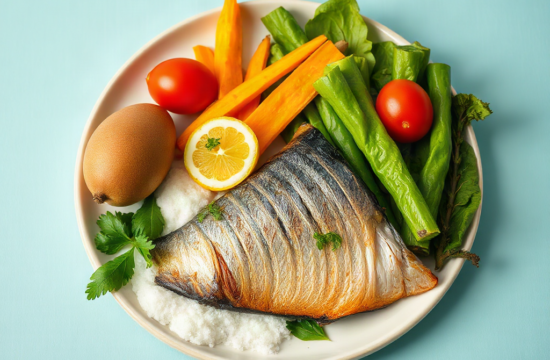
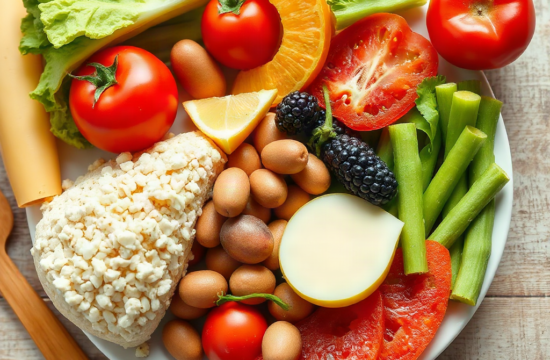
In 2025, the emphasis on nutrient-dense foods remains a core component of effective calorie counting tips. Filling your diet with vegetables, fruits, lean proteins, and whole grains allows you to enjoy satisfying meals with fewer calories. These foods naturally contain fewer empty calories and promote satiety.
For example, swapping processed snacks for fresh veggies and hummus reduces calorie intake while increasing vitamins and fiber. This approach helps you stay within your calorie limits without feeling deprived.
Benefits of Nutrient Density
Eating nutrient-dense foods improves overall health, supports weight management, and enhances your energy levels. Research shows that diets rich in whole foods are linked to better metabolic health by 2025. Incorporating these into your calorie counting tips ensures you get maximum nutrition for minimal calories.
Adjusting your shopping list and meal planning around nutrient density can make your calorie counting efforts more sustainable and enjoyable.
5. Plan Your Meals Ahead
Create a Weekly Meal Plan
Meal planning in advance is a powerful strategy in your arsenal of calorie counting tips. Designing your weekly menu helps you control portions, choose nutrient-rich foods, and avoid impulsive eating. Planning also reduces the chances of overeating, which can derail your efforts.
Use apps or printable planners to outline breakfast, lunch, dinner, and snacks. When you know what you’re eating ahead of time, calorie counting becomes more straightforward and less stressful.
Prep Ingredients and Meals
Batch-prepping ingredients or full meals saves time and helps you stick to your calorie goals. For example, preparing grilled chicken, roasted veggies, or oatmeal in advance lets you portion out meals easily based on your calorie targets.
This proactive approach minimizes spontaneous choices that tend to be higher in calories, making your calorie counting tips more effective in 2025.
6. Stay Consistent with Tracking
Incorporate Tracking into Daily Routine
One of the most effective calorie counting tips is consistency. Make tracking a daily habit â whether thatâs logging food immediately after meals or at the end of the day. Consistency leads to more accurate data and better insights into your habits.
Setting reminders or establishing a specific time each day for logging can turn this into a routine. Over time, calorie tracking becomes second nature, helping you stay aligned with your goals in 2025.
Review and Adjust Regularly
Regularly reviewing your logs allows you to identify patterns and make necessary adjustments. If you’re plateauing or not seeing expected results, reevaluate your calorie intake and activity levels.
Good HealthY DIETING Solution is Easier Than Most People Think!
Take a Look for Yourself!
Adjustments based on data help optimize your progress, reinforcing the importance of consistent tracking as one of the most valuable calorie counting tips.
7. Adjust Calories Based on Progress
Monitor Your Weight and Measurements
Tracking your weight and body measurements weekly helps determine if your calorie counting tips are working. Use a scale and a tape measure to track changes and stay motivated.
If progress stalls after a few weeks, consider adjusting your calorie intake or increasing activity. Staying flexible in your approach ensures continued success through 2025.
Refine Your Calorie Goals
Adjust your caloric goals as needed based on your progress. For instance, decreasing intake slightly if you’re not losing weight or adding calories gradually for muscle gain ensures sustainable results.
This adaptive strategy emphasizes that calorie counting tips are not static but evolve with your bodyâs response.
8. Incorporate Physical Activity
Balance Diet and Exercise
Combining calorie counting tips with regular physical activity accelerates your results in 2025. Exercise not only burns calories but also improves overall health and helps maintain muscle mass during weight loss.
Find activities you enjoy, like walking, cycling, or strength training. When tracked properly using fitness devices, you can accurately adjust your calorie intake to match your expenditure.
Stay Motivated with Varied Workouts
Variety keeps workouts engaging and helps prevent plateaus. Incorporate cardio, resistance training, and flexibility exercises into your routine. This diversity also influences your calorie needs, which should be reflected in your calorie counting tips.
9. Avoid Common Pitfalls
Overestimating Calorie Burn
Many people overestimate the calories burned during exercise, leading to overeating. In 2025, accurate data from wearable devices helps prevent this mistake. Remember, exercise can create a calorie deficit but only if your intake aligns properly.
Stay honest in your tracking and avoid compensating for exercise with excessive eating.
Ignoring Hidden Calories
Hidden calories from beverages, sauces, or condiments can sabotage your efforts. Always include these in your calorie counting tips, and measure or estimate their intake accurately.
Being meticulous with all sources of calories ensures your progress stays steady.
10. Keep Motivated with Goals
Set Realistic Milestones
Breaking big goals into smaller milestones makes progress more attainable and boosts motivation. Celebrate small wins like a week of consistent tracking or reaching a calorie deficit target.
Achieving these mini-goals builds confidence and keeps you committed to your calorie counting tips.
Visualize Your Success
Use progress photos, journals, or apps to visualize your journey. Seeing tangible results keeps motivation high and reminds you why you started.
In 2025, staying motivated is essential for long-term adherence to your calorie counting tips.
Conclusion
Mastering calorie counting tips in 2025 is crucial for achieving your health goals. By understanding your calorie needs, using reliable tools, measuring portions accurately, and staying consistent, you set yourself up for success. Focus on nutrient-dense foods, plan ahead, and adjust as needed to ensure steady progress. Remember, the key to effective calorie counting tips is persistence, smart adjustments, and maintaining motivation. Embrace these strategies this year and watch your results improve significantly in 2025!
Frequently Asked Questions
1. What are the best calorie counting tips for beginners?
Start by calculating your daily calorie needs, use a trustworthy tracking app, measure your portions, and track consistently. These foundational tips help build effective habits.
2. How accurate do calorie counting tips need to be?
While perfect accuracy is challenging, aim for consistency in your methods. Using digital scales and reliable tools can significantly improve your tracking precision in 2025.
3. Can calorie counting tips help with long-term weight management?
Absolutely. Consistent calorie counting develops awareness and healthy habits that support sustained weight management over the years.
4. How do I stay motivated to stick with calorie counting tips?
Set realistic goals, celebrate milestones, and track your progress visually. Connecting your efforts to your larger health goals keeps motivation high.
5. What are some common mistakes to avoid with calorie counting tips?
Avoid overestimating exercise calorie burn, ignoring hidden calories, and inconsistent tracking. Being mindful of these pitfalls enhances your success.