
Unveiling the Hidden Truth: Why Your Diet May Be Causing Weight Gain
Dieting can often feel like walking a tightrope. You may be meticulously counting calories, avoiding sugar, and yet, the scale seems to betray your efforts. Have you ever wondered *why your diet may be causing weight gain* despite your best intentions? It’s a frustrating reality that many face, and understanding the underlying reasons can be the first step towards achieving your weight goals.
Need a Strong Nutrition Boost for Your Diet? Take a Look...
In fact, the relationship between diet and weight gain is complex. Factors such as food choices, portion sizes, and even the timing of meals can all play a significant role. This article delves into *why your diet may be causing weight gain* and provides actionable insights to help you regain control. By the end of this article, you’ll have a clearer understanding of how to align your dietary habits with your health objectives.
Understanding the Connection between Diet and Weight Gain
Weight gain is often attributed to excess calorie consumption, but the nuances of diet can complicate this notion. One of the first aspects to consider is the quality of the calories consumed. Not all calories are created equal, and understanding the nutritional value of your food can shed light on *why your diet may be causing weight gain*.
Caloric Density vs. Nutritional Density
– Caloric Density: Foods like chips, cookies, and sugary drinks are high in calories but low in essential nutrients. These types of foods can lead to overeating because they do not provide satiety.
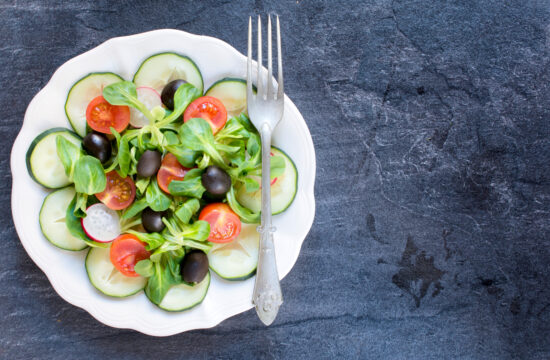
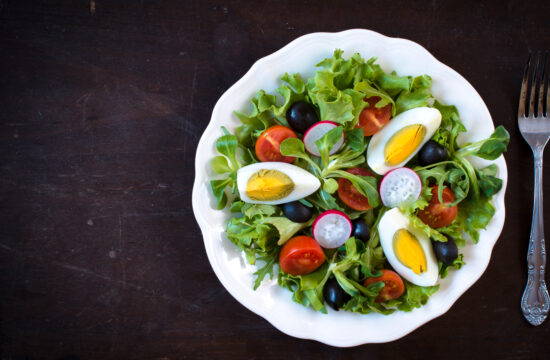
– Nutritional Density: In contrast, whole foods such as fruits, vegetables, lean proteins, and whole grains are lower in calories but high in vitamins, minerals, and fiber. These foods promote fullness and can help regulate appetite.
Understanding the difference between these types of foods can help you make better choices and avoid unintentional weight gain.
Psychological Aspects of Dieting
The psychological relationship with food can also dramatically influence your weight. Emotional eating, stress, and societal pressures can lead individuals to consume more unhealthy foods. Recognizing the emotional triggers that lead to overeating is essential in addressing *why your diet may be causing weight gain*.
For example, if you find yourself reaching for snacks during stressful periods, it may be beneficial to develop alternative coping strategies such as exercise or mindfulness practices.
Common Misconceptions about Diets
Many people fall into dietary traps due to prevalent misconceptions. It’s crucial to debunk these myths to better understand *why your diet may be causing weight gain*.
Myth: All Fats Are Bad
Contrary to popular belief, not all fats contribute to weight gain. Healthy fats found in avocados, nuts, and olive oil can actually aid in weight management by promoting satiety.
Myth: Skipping Meals Helps with Weight Loss
Many believe that skipping meals will lead to weight loss. In reality, this can backfire, as it may cause overeating later on. Instead, focus on regular, balanced meals to maintain steady energy levels and prevent cravings.
Key Factors in Your Diet Leading to Weight Gain
Several factors within your diet can contribute to weight gain. Identifying these can help you adjust your habits effectively.
Portion Sizes Matter
– Overeating: Often, portion sizes are larger than necessary, leading to excess calorie intake.
– Mindful Eating: Practicing mindful eating can help you recognize true hunger cues and avoid overeating.
Hidden Sugars and Additives
Many processed foods contain hidden sugars and unhealthy additives that can sabotage weight loss efforts. Regularly consuming foods laden with these ingredients may be *why your diet may be causing weight gain*.
– Check Labels: Always check the nutrition labels for added sugars and unhealthy fats. Opt for whole, unprocessed foods whenever possible.
How to Adjust Your Diet to Avoid Weight Gain
Making dietary adjustments doesn’t have to be overwhelming. Here are some practical steps to help you realign your diet with your weight goals.
1. Embrace Whole Foods
Focus on incorporating more whole foods into your diet. This includes fruits, vegetables, whole grains, and lean proteins. These foods are not only more nutritious but also lower in calories compared to processed options.
2. Practice Portion Control
Using smaller plates and bowls can trick your mind into feeling satisfied with a smaller amount of food. This simple change can be a game-changer in managing portion sizes.
3. Stay Hydrated
Sometimes, our bodies confuse thirst for hunger. Drinking plenty of water throughout the day can help you stay hydrated and reduce unnecessary snacking.
4. Plan Your Meals
Meal prepping can significantly reduce impulsive eating and help you stick to healthier options. Planning your meals ahead of time can also save time and stress during busy weeks.
References and Resources
These resources provide valuable information about *why your diet may be causing weight gain*. Check them out for additional insights:
Authoritative Sources on Why Your Diet May Be Causing Weight Gain
-
Healthy Weight, Nutrition, and Physical Activity
CDC.govThe CDC provides comprehensive guidelines on maintaining a healthy weight and the impact of diet on weight management.
-
Aim for a Healthy Weight
NHLBI.nih.govA resource from the National Heart, Lung, and Blood Institute focusing on healthy weight loss strategies.
-
Academy of Nutrition and Dietetics
Eatright.orgProfessional information on nutrition, including advice on weight management and healthy eating.
-
The Nutrition Source
Harvard.eduA comprehensive guide to nutrition from Harvard Health, addressing various diet-related issues.
-
Obesity and Overweight
WHO.intThe World Health Organization’s facts on obesity and weight management strategies.
-
Diet Quality and Weight Control
NCBI.nlm.nih.govResearch on the impact of diet quality on weight control and health outcomes.
Support Your Weight Loss Goals
Huge Discount on the Best Certified Organic Nutrient Dense Supplement!
-
Food, Diet, and Weight Gain
Eur.nlAn insightful essay discussing the relationship between food choices and weight gain.
-
Emotional Eating
ScienceDirect.comA scientific overview of emotional eating and its effects on dietary habits and weight.
Frequently Asked Questions
What are the main reasons why my diet may be causing weight gain?
The primary reasons include high caloric density in processed foods, hidden sugars, large portion sizes, and emotional eating habits. Understanding these factors is crucial in addressing why your diet may be causing weight gain.
Can changing my diet help me lose weight effectively?
Absolutely! A well-structured diet focusing on whole foods, portion control, and balanced nutrition can significantly aid in weight loss. It’s all about making informed choices that align with your health goals.
How do hidden sugars contribute to weight gain?
Hidden sugars are often found in processed foods and can lead to increased calorie consumption without realizing it. This can be a significant factor in why your diet may be causing weight gain.
What steps can I take to adjust my diet and prevent weight gain?
Start by prioritizing whole foods, practicing portion control, staying hydrated, and planning your meals. These changes can create a substantial impact in managing your weight effectively.
Conclusion
In conclusion, understanding *why your diet may be causing weight gain* is a pivotal step towards achieving your weight management goals. By recognizing the various factors at play, such as food quality, portion sizes, and emotional triggers, you can make informed dietary changes.
Remember, it’s not just about what you eat, but how you eat. By implementing practical strategies to adjust your diet, you’re not only working towards a healthier weight but also fostering a more positive relationship with food. Take the first step today, and you may find that the scale reflects your dedication to a healthier lifestyle.