
Need a Strong Nutrition Boost for Your Diet? Take a Look...
- 1. Focus on Whole, Unprocessed Foods
- 2. Incorporate Seasonal Produce
- 3. Prioritize Plant-Based Proteins
- 4. Use Healthy Fats Wisely
- 5. Optimize Meal Timing and Frequency
- 6. Include Fermented Foods for Gut Health
- 7. Minimize Refined Sugar and Processed Ingredients
- 8. Hydrate with Whole Food-Based Beverages
- 9. Practice Mindful Eating
- 10. Plan and Prepare Meals Ahead
1. Focus on Whole, Unprocessed Foods
Understanding Whole Foods and Why They Matter
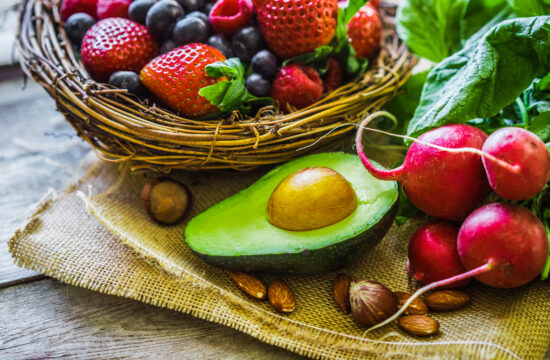
In 2025, the foundation of effective whole food nutrition for dieting is emphasizing whole, unprocessed foods. These are foods that are close to their natural state, without added sugars, preservatives, or artificial ingredients. Examples include fresh fruits, vegetables, whole grains, nuts, seeds, and lean meats. Choosing whole foods helps ensure you get the maximum nutrients with minimal empty calories, supporting sustainable weight management.
Studies show that diets rich in whole foods are linked to lower inflammation and better metabolic health. Switching from processed snacks to whole fruit or raw nuts can make a significant difference in how you feel and your weight loss progress. When you make whole foods the core of your diet, you’re naturally reducing intake of unhealthy additives and excess sugar, which are common culprits in weight gain and poor health.
Practical tip: Start by swapping processed bread with whole grain options, and replace canned snacks with fresh fruits or vegetables. Over time, this shift can help you develop healthier eating habits that last beyond 2025.
2. Incorporate Seasonal Produce
Benefits of Eating with the Seasons
Eating seasonal produce aligns your diet with natureâs natural cycle, offering fresher, more nutrient-dense options. In 2025, seasonal eating is more popular than ever, supported by local farms and farmers’ markets. These foods are often more affordable and tastier, making your whole food nutrition for dieting more enjoyable and sustainable.
Research indicates that seasonal produce may contain higher levels of antioxidants and vitamins, boosting your overall health. For example, summer berries are packed with vitamin C, while winter root vegetables provide vital nutrients during the colder months. Using seasonal ingredients can also inspire weekly meal plans, reducing decision fatigue and increasing adherence to healthy eating.
Actionable tip: Create a seasonal chart for your region and plan your meals around whatâs fresh. Incorporate seasonal favorites like pumpkins in fall or strawberries in spring for maximum flavor and health benefits.
3. Prioritize Plant-Based Proteins
Varieties and Benefits of Plant Proteins
In 2025, more dieters are turning to plant-based proteins to optimize their whole food nutrition for dieting. Legumes, lentils, tofu, tempeh, quinoa, and nuts are excellent sources. These foods are typically lower in saturated fat and calories but rich in fiber, which promotes fullness and steady blood sugar levels.
Research shows that plant proteins can reduce the risk of chronic diseases such as heart disease and type 2 diabetes. Incorporating a variety of plant-based proteins ensures you get a broad spectrum of amino acids needed for muscle repair and overall health. Plus, theyâre widely available and cost-effective, making them a sustainable choice in 2025 diets.
Practical advice: Add chickpeas or black beans to salads, enjoy a tofu stir-fry, or snack on mixed nuts and seeds. Combining sources can also enhance protein intake and diversify your nutrient profile.
4. Use Healthy Fats Wisely
Types of Fats and How to Incorporate Them
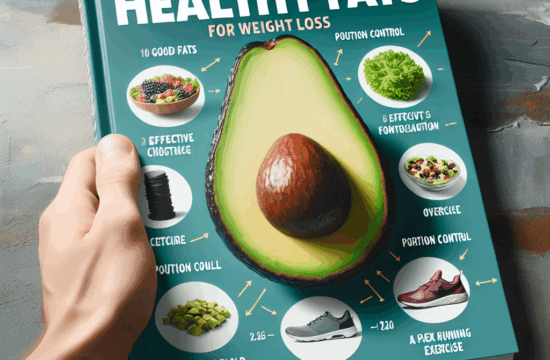
Understanding healthy fats is crucial for whole food nutrition for dieting in 2025. Sources like avocados, extra virgin olive oil, nuts, and seeds support heart health and hormonal balance. Unlike trans fats and excess saturated fats, these fats provide long-lasting energy and assist in nutrient absorption.
Recent studies highlight the importance of omega-3 fatty acids found in chia seeds, walnuts, and fatty fish like salmon. Incorporating these into your meals can support brain function, reduce inflammation, and improve overall well-being, aiding your weight loss journey.
Tip: Use olive oil as your primary cooking oil, sprinkle flaxseed or chia seeds over yogurt, and include oily fish a couple of times per week. These choices help you leverage the benefits of healthy fats in your diet.
5. Optimize Meal Timing and Frequency
Timing Strategies for Better Digestion and Energy
In 2025, smart meal timing is gaining recognition for enhancing whole food nutrition for dieting. Whether practicing intermittent fasting or simply spreading meals evenly, youâll find that timing impacts digestion, energy levels, and hunger control. Many successful dieters incorporate 3-4 balanced meals with healthy snacks in between.
Research suggests that regular meal timing can stabilize blood sugar levels, preventing overeating and cravings. Eating within a consistent window allows your body to adapt and process nutrients more effectively, supporting your weight management efforts over the long term.
Actionable tip: Experiment with meal spacing, such as eating between 8 am and 6 pm, to find what suits your lifestyle. Remember, consistency is key for sustainable results.
6. Include Fermented Foods for Gut Health
Impact on Digestion and Immunity
Fermented foods like sauerkraut, kimchi, kefir, and yogurt are vital for maintaining a healthy gut microbiome, especially in 2025. A balanced microbiome is linked to better digestion, improved immunity, and even mood regulationâessential components of a healthy, sustainable diet plan.
The probiotics in fermented foods support the growth of beneficial bacteria, which can enhance nutrient absorption from whole foods. For instance, gut health directly influences how effectively your body utilizes vitamins, minerals, and other nutrients critical for weight loss.
Pro tip: Incorporate a serving of fermented vegetables or yogurt daily. Experiment with homemade sauerkraut or kefir smoothies for a delicious boost to your whole food nutrition for dieting regime.
Support Your Weight Loss Goals
Huge Discount on the Best Certified Organic Nutrient Dense Supplement!

7. Minimize Refined Sugar and Processed Ingredients
Effects on Weight and Overall Health
In 2025, reducing intake of refined sugar and processed ingredients remains a cornerstone of effective whole food nutrition for dieting. Excess sugar contributes to insulin resistance, fat storage, and increased hunger, undermining your health goals.
Replacing sugary snacks with whole foods like fresh fruit or unsweetened nut butters can satisfy sweet cravings healthily. Additionally, reading labels carefully helps avoid hidden sugars and artificial additives that sabotage your efforts.
Research indicates that diets low in processed foods promote better weight management and lower the risk of metabolic disorders. Making small swaps, such as choosing whole grain bread over white bread, can lead to significant health improvements over time.
8. Hydrate with Whole Food-Based Beverages
Healthy Drink Options and Hydration Tips
Staying well-hydrated is essential in 2025, and choosing whole food-based beverages enhances your overall nutrition. Herbal teas, infused waters with fresh fruits, and smoothies made from whole ingredients provide hydration along with additional nutrients.
Proper hydration supports digestion, energy, and metabolism, all critical factors in successful dieting. Aim to drink at least 8-10 glasses of water daily, and use natural flavors like lemon, cucumber, or mint to make hydration more appealing.
Practical advice: Incorporate a daily smoothie with greens, berries, and chia seeds or enjoy herbal infusions during the day to meet your hydration goals while boosting your intake of essential nutrients.
9. Practice Mindful Eating
Maximizing Satisfaction and Portion Control
Mindful eating remains a key component of effective whole food nutrition for dieting in 2025. Paying attention to what and how you eat helps you recognize true hunger cues, prevents overeating, and enhances meal enjoyment. This approach fosters a healthier relationship with food and better digestion.
Scientific studies show that mindful eaters tend to consume fewer calories during meals and have improved digestion. Slowing down, savoring each bite, and eliminating distractions like screens can make a noticeable difference.
Tip: Take 20 minutes for each meal, chew thoroughly, and focus on the flavors and textures of your whole foods. This simple practice can improve your overall diet adherence.
10. Plan and Prepare Meals Ahead
Meal Prep Strategies for Success
Preparation is crucial for maintaining consistent whole food nutrition for dieting in 2025. Planning your meals in advance helps avoid impulsive choices and ensures you always have healthy options ready. Batch cooking and prepping ingredients saves time and reduces stress during busy weekdays.
Investing a few hours weekly to chop vegetables, cook grains, or portion out snacks can make sticking to your diet more manageable. Meal planning also allows you to balance macronutrients and include diversity in your diet, preventing boredom.
Actionable tip: Use a meal calendar and prep containers to organize your weekâs meals. This habit fosters discipline and supports your health goals effectively.
Frequently Asked Questions
Q1: What is whole food nutrition for dieting?
Whole food nutrition for dieting involves focusing on minimally processed, nutrient-dense foods that support health and weight loss. It emphasizes fruits, vegetables, whole grains, nuts, seeds, and lean proteins while minimizing artificial additives and refined sugars.
Q2: How does whole food nutrition support weight loss in 2025?
It promotes satiety, stabilizes blood sugar levels, reduces inflammation, and provides essential nutrients, making it easier to maintain a calorie deficit and achieve sustainable weight loss.
Q3: Can I incorporate processed foods into a whole food-based diet?
While whole food nutrition for dieting mainly focuses on unprocessed foods, occasional processed foods may be acceptable if they are minimally processed and free from unhealthy additives. The goal is to maximize nutrient density.
Q4: What are some practical tips to start focusing on whole foods?
Begin by replacing refined grains with whole grains, add more fruits and vegetables to your meals, and prepare foods at home instead of relying on packaged options. Gradually eliminate or reduce processed snacks and sweets.
Conclusion
In conclusion, mastering the art of whole food nutrition for dieting is essential for achieving optimal health and sustainable weight loss in 2025. By prioritizing whole, unprocessed foods, incorporating seasonal produce, and practicing mindful habits, you set yourself up for success. These ten strategies, backed by the latest research and trends, will guide you to a healthier, happier lifestyle. Remember, consistency and dedication are key â your journey toward better health begins with small, mindful steps today.
Huge Discount on the Best Certified Organic Nutrient Dense Supplement!