
One of the primary advantages of slow steady weight loss is its sustainability. When individuals lose weight gradually, they are more likely to maintain their new weight over time. This approach allows the body to adapt to changes, minimizing the risk of rebound weight gain that often accompanies crash diets. Additionally, steady weight loss encourages the development of healthy eating patterns and exercise routines, making it easier to integrate these habits into daily life.
Another critical factor to consider is metabolic health. Rapid weight loss can lead to muscle loss, which negatively impacts metabolism and overall health. In contrast, slow steady weight loss promotes fat loss while preserving lean muscle mass. This preservation is essential for maintaining a healthy metabolic rate, which is crucial for long-term weight management. Moreover, gradual weight loss is less likely to result in nutritional deficiencies, as it allows for a more balanced intake of essential nutrients.
Understanding Slow Steady Weight Loss
Slow steady weight loss typically involves losing 1 to 2 pounds per week. This approach is often recommended by health professionals as it allows individuals to make gradual changes to their lifestyle. Such changes may include adopting healthier eating habits, increasing physical activity, and enhancing overall well-being. By focusing on small, manageable goals, individuals can build confidence and motivation, leading to a more positive weight loss experience.
Moreover, the process of losing weight slowly encourages individuals to develop a deeper understanding of their relationship with food. This awareness can help identify emotional eating triggers and promote healthier coping mechanisms. By addressing underlying issues, individuals can create a more sustainable lifestyle that supports long-term weight management.
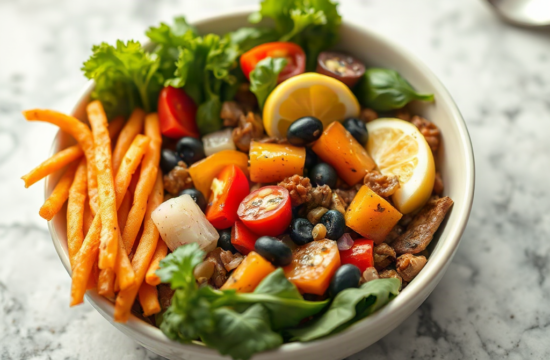
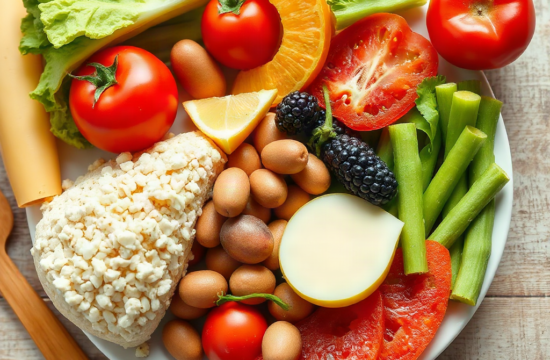
Incorporating a variety of food groups and maintaining a balanced diet is crucial during this process. It not only supports overall health but also helps prevent feelings of deprivation, which can often lead to binge eating later on. Focusing on nutrient-dense foods, such as fruits, vegetables, whole grains, and lean proteins, can provide the body with the essential nutrients needed for optimal functioning.
Psychological Benefits of Gradual Weight Loss
In addition to physical benefits, slow steady weight loss has significant psychological advantages. One of the most notable is the reduction in stress and anxiety often associated with dieting. Rapid weight loss can create a sense of urgency that may lead to unhealthy behaviors, such as extreme calorie restriction or excessive exercise. In contrast, a gradual approach allows individuals to focus on creating a positive relationship with food and their bodies.
As individuals begin to see progress with slow steady weight loss, their self-esteem and confidence often improve. This increase in self-worth can motivate individuals to continue making healthy choices and reinforce positive behaviors. Additionally, the gradual approach allows for flexibility, making it easier to navigate social situations and special occasions without feeling deprived.
It’s important to recognize that weight loss is not just about the number on the scale. Celebrating non-scale victories, such as improved energy levels, better sleep, and enhanced mood, can help maintain motivation and create a more holistic understanding of health and wellness.
Physical Health Advantages
The physical health benefits of slow steady weight loss are numerous. As mentioned earlier, this approach helps preserve lean muscle mass, which is vital for maintaining a healthy metabolism. Additionally, gradual weight loss is associated with improved cardiovascular health, lower blood pressure, and better blood sugar control. These factors contribute to a reduced risk of chronic diseases, such as type 2 diabetes and heart disease.
Moreover, slow steady weight loss allows for better adaptation to dietary changes, making it easier for individuals to identify foods that work best for their bodies. This self-awareness can lead to more informed choices and a greater understanding of nutritional needs, ultimately supporting long-term health.
Support Your Weight Loss Goals
Huge Discount on the Best Certified Organic Nutrient Dense Supplement!
Incorporating regular physical activity into a weight loss plan is essential for maximizing these health benefits. Aim for a combination of aerobic exercise and strength training to promote fat loss and muscle preservation. Additionally, focusing on enjoyable activities can increase adherence to an exercise routine, making it more sustainable.
Common Mistakes to Avoid
While slow steady weight loss is generally effective, individuals can still make mistakes that hinder their progress. One common pitfall is setting unrealistic expectations. It’s essential to recognize that weight loss is not always linear, and fluctuations are normal. Being patient and understanding that progress takes time is crucial for maintaining motivation.
Another mistake is failing to track food intake and physical activity. Keeping a food journal can provide valuable insights into eating habits and help identify areas for improvement. Additionally, it can serve as a motivational tool, showing progress over time.
Lastly, neglecting to incorporate social support can also undermine weight loss efforts. Engaging friends, family, or support groups can provide encouragement and accountability, making the journey more enjoyable and less isolating.
Further Reading
For those looking to explore more about the benefits of slow steady weight loss, consider consulting resources from registered dietitians, health organizations, and reputable fitness websites. These sources can provide evidence-based information and practical strategies for successful weight management.
Further Reading
Authoritative Sources
- MedlinePlus
medlineplus.govConsumer-friendly medical and health information from the U.S. National Library of Medicine.
- National Institutes of Health
nih.govResearch-based health information and links to authoritative medical resources.
- Centers for Disease Control and Prevention
cdc.govOfficial public health guidance, prevention resources, and topic-specific recommendations.
- Mayo Clinic
mayoclinic.orgTrusted clinical guidance, symptom explainers, and treatment overviews.
- World Health Organization
who.intGlobal health guidance, fact sheets, and evidence-based public health information.
Frequently Asked Questions
What is considered a healthy rate of weight loss?
A healthy rate of weight loss is typically 1 to 2 pounds per week, which is sustainable and promotes long-term success.
Can slow steady weight loss help with muscle preservation?
Yes, slow steady weight loss is beneficial for preserving lean muscle mass, which is crucial for maintaining metabolism and overall health.
What are some common mistakes people make during weight loss?
Common mistakes include setting unrealistic expectations, neglecting to track progress, and failing to seek social support.
How can I stay motivated during my weight loss journey?
Staying motivated can be achieved by celebrating non-scale victories, setting realistic goals, and engaging with supportive communities.
Is it better to lose weight quickly or slowly?
Slow steady weight loss is generally more sustainable than quick fixes, leading to better long-term results and healthier habits.
Conclusion
Ultimately, the benefits of slow steady weight loss extend beyond just the number on the scale. By prioritizing a gradual approach, individuals can create sustainable habits that promote long-term health and well-being. Focus on developing a positive relationship with food, engaging in regular physical activity, and being patient with the process. Remember that every small step counts, and the journey to a healthier lifestyle is just as important as the destination.
Support Your Weight Loss Goals
HUGE DISCOUNT ON THE BEST CERTIFIED ORGANIC NUTRIENT DENSE SUPPLEMENT!
Related Content
- The Truth About Current Diet Trends
- How to Create a Diet That Works: Proven Methods and Essential Foods for Lasting Results
- Common Mistakes in All-Natural Dieting and How to Fix Them
- Effective Guide: 7 Powerful Tips on How to Transition Into Carnivore Diet 2025
- Why Weight Loss Slows Down: Uncover Hidden Factors and Boost Your Results Naturally