Need a Strong Nutrition Boost for Your Diet? Take a Look...
Table of Contents
- 1. Prioritize Protein-Rich Foods
- 2. Incorporate a Variety of Vegetables
- 3. Pay Attention to Nutrient Deficiencies
- 4. Plan Meals Around Whole Grains
- 5. Use Plant-Based Protein Sources
- 6. Stay Hydrated with Herbal Teas and Water
- 7. Supplement Wisely if Needed
- 8. Experiment with Global Vegetarian Cuisines
- 9. Mind Portion Sizes and Mindful Eating
- 10. Track Your Progress and Adjust as Needed
1. Prioritize Protein-Rich Foods
Understanding the Importance of Protein in a Vegetarian Diet
Protein is essential for building and repairing tissues, supporting immune function, and increasing satiety. Many new vegetarians worry about meeting their protein needs, but in 2025, the options are more diverse than ever. Incorporating high-quality plant proteins can ensure you stay energized and healthy.
Legumes like lentils and chickpeas, tofu, tempeh, seitan, and edamame are excellent sources of protein. Combining different sources throughout the day can help you meet the recommended daily intake, which is approximately 46 grams for women and 56 grams for men, according to recent dietary guidelines.
For example, breakfast could include Greek yogurt with nuts and seeds, lunch a quinoa salad with chickpeas, and dinner a stir-fry with tofu. Consistent intake of these foods helps keep your energy levels stable and supports muscle maintenance.
Practical Tips for Increasing Protein Intake
Start your day with protein-rich options like oatmeal topped with chia seeds and almonds. Snack on trail mixes or roasted chickpeas for an energy boost. Remember, the key is varietyâdifferent plant-based proteins provide different amino acids, and variety ensures you get a broad spectrum of nutrients.
Utilize protein powder in smoothies if you find it challenging to meet your needs. Look for plant-based powders such as pea, rice, or hemp protein, which are increasingly popular in 2025 for their sustainability and nutritional profile.
2. Incorporate a Variety of Vegetables
Why Diversity in Vegetables Matters
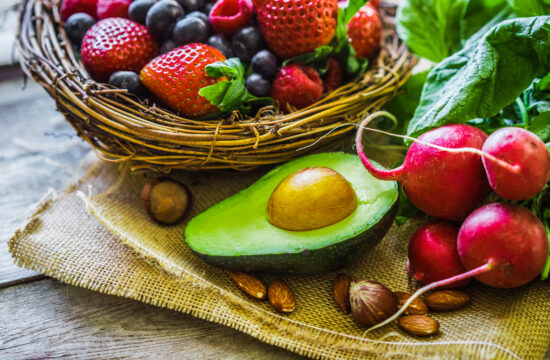
In 2025, dietary research emphasizes that consuming a wide array of vegetables maximizes nutrient intake and supports overall health. Different vegetables offer unique vitamins, minerals, and antioxidants that can protect against chronic diseases.
Try to include leafy greens like spinach and kale, colorful vegetables like bell peppers and carrots, and cruciferous options such as broccoli and cauliflower. Each adds different phytochemicals beneficial for long-term wellness.
For example, a colorful veggie bowl with roasted sweet potatoes, sautéed greens, and bell peppers can provide fiber, vitamin C, iron, and antioxidants, boosting immunity and energy levels.
Practical Ways to Add More Vegetables to Your Day
Meal prepping with chopped vegetables for easy snacks or adding extra greens to smoothies can boost your intake without much extra effort. Roasting a batch of mixed vegetables for the week makes healthy eating more convenient.
Experiment with daily colorful salads, veggie stir-fries, or veggie-packed pasta dishes. Aim for at least 5 servings of vegetables daily â a simple yet effective vegetarian diet tip for 2025.
3. Pay Attention to Nutrient Deficiencies
Key Nutrients for Vegetarians to Monitor
Although a vegetarian diet is healthy, certain nutrients like vitamin B12, iron, omega-3 fatty acids, and calcium can sometimes be lacking. In 2025, awareness about these gaps helps vegetarians plan better.
Vegetarians should consider fortified foods or supplements for nutrients like B12, which is primarily found in animal products. Iron-rich plant foods include lentils, spinach, and fortified cereals, but consuming them with vitamin C enhances absorption.
Omega-3 fatty acids, crucial for brain health, are present in flaxseeds, chia seeds, walnuts, and algae oilsâpopular plant-based supplement options in 2025.
Practical Tips for Avoiding Deficiencies
- Get regular blood work to identify deficiencies early.
- Incorporate B12-fortified foods or supplements into your routine.
- Combine iron-rich foods with vitamin C sources like citrus or bell peppers for better absorption.
Keeping an eye on nutrient intake ensures your vegetarian diet remains balanced and health-promoting.
4. Plan Meals Around Whole Grains
The Role of Whole Grains in a Vegetarian Diet
Whole grains such as brown rice, oats, barley, and quinoa are staples for a balanced vegetarian diet in 2025. They provide complex carbohydrates, fiber, vitamins, and minerals essential for sustained energy and digestive health.
Using whole grains as the base for meals can help stabilize blood sugar levels and promote fullness, making it easier to maintain a healthy weight and avoid cravings.
For instance, switching from refined bread to whole grain options and substituting white rice with quinoa can make a big difference in nutritional quality.
Tips for Incorporating Whole Grains
Start your day with oatmeal topped with seeds and fruits. Use brown rice or farro in salads and stir-fries. Prepare grain bowls combining different whole grains and plant-based toppings for variety and nutrition.
In 2025, diversifying your grains not only enhances your health but also supports sustainable agriculture practices.
5. Use Plant-Based Protein Sources
Popular Plant Proteins in 2025
To build a satisfying and nutritious vegetarian diet, incorporating plant-based proteins like tempeh, seitan, lentils, chickpeas, and nuts is essential. These foods are rich in protein and often contain fiber, vitamins, and minerals.
Seitan, made from wheat gluten, has an impressive protein content and a meat-like texture, making it a popular meat substitute. Tempeh is fermented, which enhances digestibility and nutrient absorption.
Experiment with different recipes to keep your meals exciting. For example, marinated tofu skewers or lentil loaves can add variety and flavor.
Practical Ways to Add Plant-Based Proteins
- Replace meat with tempeh or seitan in your favorite recipes.
- Include a handful of nuts or seeds with snacks or salads.
- Try new recipes like vegan chili or bean burritos.
6. Stay Hydrated with Herbal Teas and Water
Importance of Proper Hydration
In 2025, staying well-hydrated remains a cornerstone of good health. Proper hydration aids digestion, maintains energy, and supports detoxification. For vegetarians, especially those increasing fiber intake, hydration is crucial.
Choose herbal teas, infused waters, and plain water as your primary beverages. Avoid sugary drinks, which can add empty calories and negatively impact health.
Adding a variety of herbal teas like chamomile or mint can also provide additional antioxidants and health benefits.
Support Your Weight Loss Goals
Huge Discount on the Best Certified Organic Nutrient Dense Supplement!

Tips for Sustainable Hydration
Carry a reusable water bottle to remind yourself to sip throughout the day. Infuse water with fruits and herbs for flavor without added sugar. Aim for at least 8 glasses daily, more if youâre active or in hot climates.
7. Supplement Wisely if Needed
When Supplements Are Necessary
Despite careful planning, some vegetarians may need supplements to meet their nutritional needs in 2025. B12, vitamin D, and omega-3 supplements are common for those with limited sun exposure or dietary restrictions.
Consult with a healthcare professional about appropriate supplement dosages and brands. Quality mattersâto ensure safety and efficacy.
For example, vegan B12 supplements are widely available and essential for long-term health, especially for those avoiding animal products entirely.
Best Practices for Supplementation
- Get regular blood tests to monitor nutrient levels.
- Incorporate fortified foods alongside supplements.
- Avoid megadosing; follow recommended daily allowances.
8. Experiment with Global Vegetarian Cuisines
Discover International Flavors
In 2025, exploring vegetarian dishes from around the world can keep your meals exciting and nutritious. Indian, Thai, Middle Eastern, and Mediterranean cuisines offer abundant plant-based options, rich in spices and herbs.
For example, Indian dals and curries, Thai veggie stir-fries, or Mediterranean falafel salads highlight diversity while meeting nutritional needs.
Trying new recipes broadens your palate and introduces you to innovative ways to enjoy vegetarian eating.
Benefits of Culinary Exploration
Global cuisines often incorporate nutrient-dense ingredients like lentils, chickpeas, savory spices, and healthy oils. This variety helps prevent dietary boredom and boosts your nutrient diversity.
Plus, embracing international foods supports cultural appreciation and sustainable eating habits.
9. Mind Portion Sizes and Mindful Eating
Enhancing Diet Quality through Mindfulness
In 2025, mindful eating remains vital for maintaining a healthy vegetarian diet. Paying attention to portion sizes prevents overeating and promotes digestion. Being present during meals helps you enjoy your food and recognize true hunger cues.
Use smaller plates, chew slowly, and savor each bite. This practice can help stabilize weight and prevent emotional overeating.
Research shows that mindful eaters tend to have better nutritional habits and higher satisfaction with meals.
Tips for Practicing Mindful Eating
- Eat without distractions like screens.
- Pause between bites to assess hunger levels.
- Plan your meals to include balanced portions of carbs, proteins, and fats.
10. Track Your Progress and Adjust as Needed
Why Monitoring Your Diet Is Important
In 2025, using tools like food diaries or mobile apps to track your vegetarian diet helps identify gaps, monitor progress, and stay motivated. Regular assessments enable you to adjust your diet to meet changing needs or goals.
Tracking also helps ensure you’re adhering to your nutritional plans and avoiding deficiencies. Plus, it provides insight into patterns that may influence your health outcomes.
For example, noticing a pattern of low iron intake can prompt you to incorporate more iron-rich foods or supplements.
Tools and Tips for Effective Monitoring
Use apps like MyFitnessPal or dedicated vegetarian diet trackers. Set specific goals, such as increasing fiber or protein intake, and review your logs weekly.
Consult a nutritionist periodically for personalized feedback and adjustments.
Frequently Asked Questions
Q1: What are the best vegetarian diet tips for beginners in 2025?
Start with adding more plant-based proteins, incorporate a variety of colorful vegetables, and plan balanced meals around whole grains. Gradually replace meat with tasty alternatives and monitor your nutrient intake.
Q2: How can I ensure I’m getting enough B12 on a vegetarian diet?
Include B12-fortified foods, such as cereals and plant-based milks, or take a B12 supplement. Regular blood tests can help monitor your levels, and consulting with a healthcare professional is advisable.
Q3: Are there vegetarian diet tips that can help with weight management?
Yes. Focus on portion control, prioritize fiber-rich foods like vegetables and whole grains, and practice mindful eating to prevent overeating. Staying hydrated is also key.
Q4: Can a vegetarian diet provide all the necessary nutrients in 2025?
With careful planning, variety, and supplementation where needed, a vegetarian diet can meet all nutritional needs. Regular check-ups and dietary adjustments help optimize health outcomes.
Q5: How do I stay motivated on a vegetarian diet?
Set clear goals, experiment with new recipes, and join community groups for support. Remember, a well-rounded vegetarian diet can boost your health, energy, and environmental impact â a rewarding journey!
Conclusion
Adopting a vegetarian diet in 2025 can be a rewarding step toward better health and sustainability. By following these 10 effective vegetarian diet tips, you can ensure your nutritional needs are met while enjoying delicious, diverse meals. Remember, consistency, variety, and mindful choices are key to success. The key is to stay informed and flexible, adjusting your habits as you learn what works best for your body. Embrace these expert tips for a healthier, more vibrant life!
Huge Discount on the Best Certified Organic Nutrient Dense Supplement!