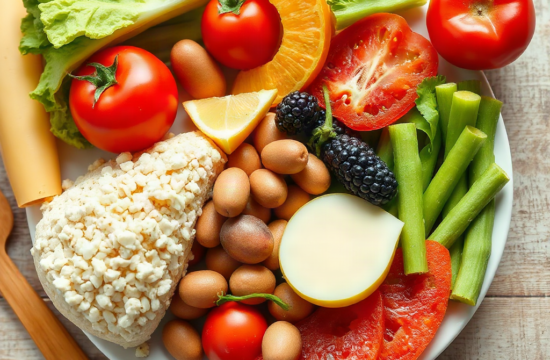

This can be accomplished by adjusting your diet—focusing on nutrient-dense foods that are lower in calories, such as vegetables, lean proteins, and whole grains. Regular physical activity, particularly a combination of cardiovascular and strength training exercises, is also essential for increasing calorie expenditure and promoting fat loss.
Many individuals make the mistake of pursuing extreme dieting tactics, which can lead to nutrient deficiencies and are often unsustainable in the long term. Instead, aim for gradual changes to your diet and exercise routine that can be maintained over time. Understanding your body’s hunger cues and the importance of meal timing can also enhance your weight loss efforts.
Understanding your body's hunger cues and the importance of meal timing can also enhance your weight loss efforts. Energy balance is the cornerstone of weight management.
The Role of Energy Balance
Energy balance is the cornerstone of weight management. It refers to the relationship between the calories consumed through food and beverages and the calories expended through bodily functions and physical activity. To lose weight, you must create a calorie deficit, which can be achieved through dietary changes, increased physical activity, or a combination of both.
To maintain a healthy weight, it’s essential to find a balance that allows for gradual weight loss. Rapid weight loss can lead to muscle loss and metabolic slowdown, making it harder to maintain weight loss in the long run. Focus on small, manageable changes that can be sustained over time.
Understanding Metabolism
Metabolism encompasses all the biochemical processes that occur in the body to convert food into energy. It includes the basal metabolic rate (BMR), which is the number of calories your body needs to maintain basic physiological functions at rest. Factors influencing BMR include age, sex, muscle mass, and genetics.
Increasing your muscle mass through strength training can elevate your metabolic rate, as muscle tissue burns more calories at rest than fat tissue. Therefore, incorporating resistance training into your fitness routine can be an effective strategy for weight loss.
The Impact of Hormones
Hormones play a significant role in regulating appetite, metabolism, and fat storage. Key hormones involved in weight management include insulin, ghrelin, and leptin. Insulin helps control blood sugar levels and fat storage, while ghrelin stimulates appetite, and leptin signals satiety.
Disruptions in hormonal balance can lead to increased hunger and cravings, making weight loss more challenging. Stress and lack of sleep can negatively impact hormone levels, so addressing these factors is crucial for effective weight management.
Practical Weight Loss Strategies
To successfully lose weight, implement practical strategies that focus on both diet and exercise. Start by tracking your food intake to identify patterns and make informed choices. Opt for whole, unprocessed foods that provide essential nutrients without excessive calories.
Create a meal plan that includes a variety of foods to ensure you meet your nutritional needs while staying within your calorie goals. Incorporate regular physical activity into your routine, aiming for at least 150 minutes of moderate aerobic exercise weekly, combined with strength training on two or more days.
Support Your Weight Loss Goals
Huge Discount on the Best Certified Organic Nutrient Dense Supplement!
Frequently Asked Questions
What is the most effective way to lose weight?
The most effective way to lose weight is to create a calorie deficit through a combination of balanced nutrition and regular physical activity.
How important is exercise for weight loss?
Exercise is crucial for weight loss as it increases calorie expenditure, helps maintain muscle mass, and supports overall health.
Can I lose weight without dieting?
While dieting is a common approach, weight loss can also be achieved through lifestyle changes such as increasing physical activity and making healthier food choices.
What role do hormones play in weight loss?
Hormones regulate appetite, metabolism, and fat storage, influencing how effectively you can lose weight.
Is it better to lose weight quickly or gradually?
Gradual weight loss is generally healthier and more sustainable than rapid weight loss, which can lead to muscle loss and metabolic slowdown.
Conclusion
Understanding the science of weight loss is essential for developing effective strategies that lead to sustainable results. By focusing on energy balance, metabolism, and hormonal influences, you can create a personalized approach that prioritizes healthy eating and regular exercise. Remember to set realistic goals and be patient with your progress, as lasting change takes time and consistency.
Support Your Weight Loss Goals
HUGE DISCOUNT ON THE BEST CERTIFIED ORGANIC NUTRIENT DENSE SUPPLEMENT!
Related Content
- 10 Powerful weight loss success tips (2025 Guide to Achieve Results)
- Common Mistakes When Transitioning Off a Diet: Avoiding Regain and Maintaining Progress
- How to Stick to Your Diet Plan Without Feeling Deprived or Overwhelmed
- Can Mindful Eating Really Make Weight Loss Easier?
- 8 Tips for Making a Keto Diet Easier for Women