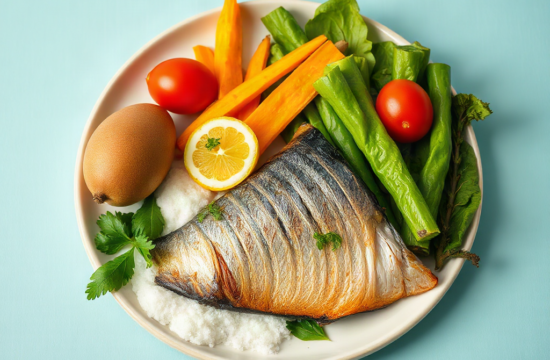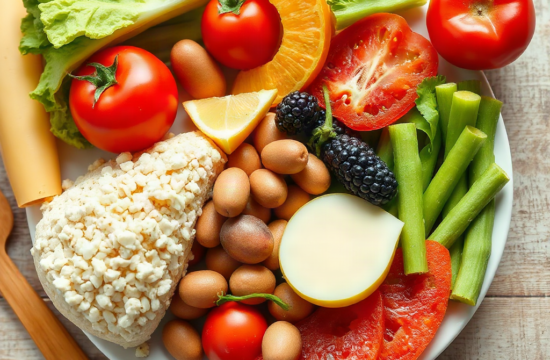
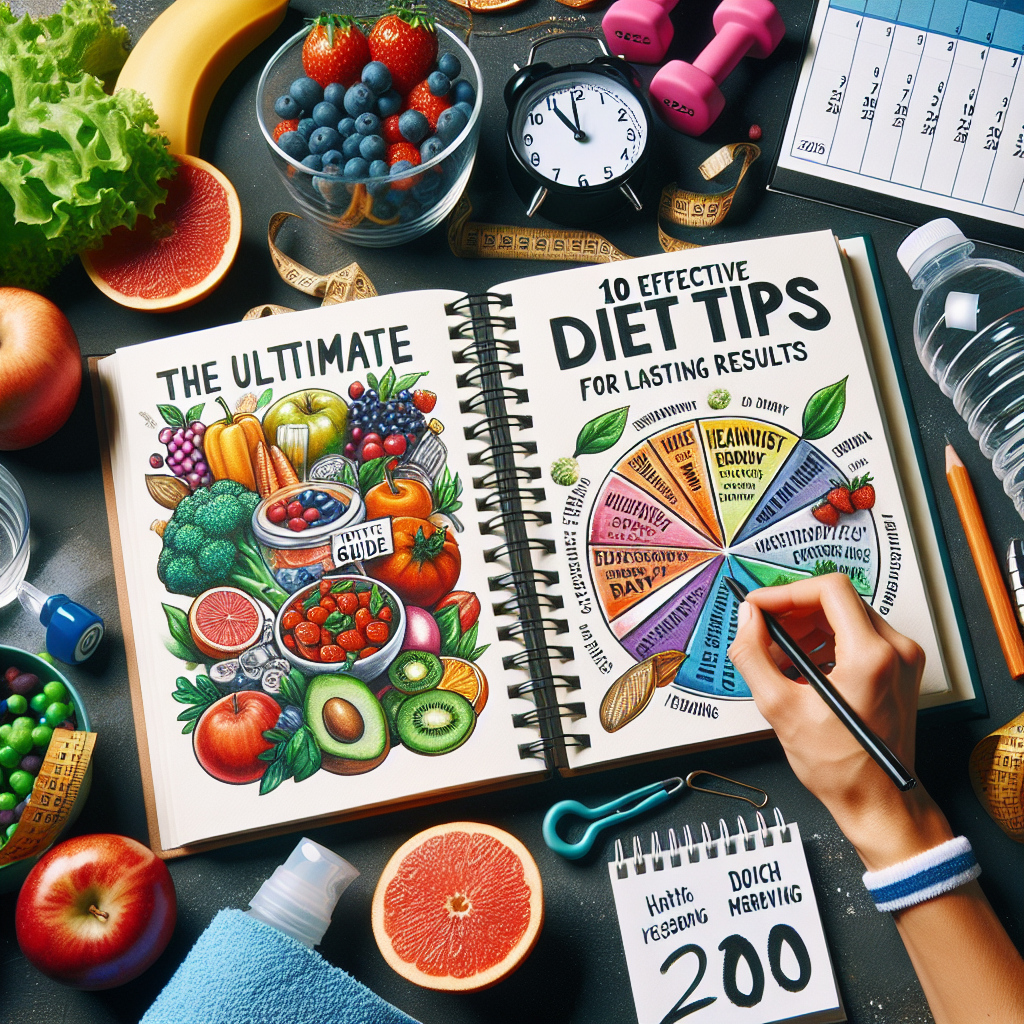
One common mistake people make when starting a diet is setting overly ambitious goals. This can lead to frustration and give up when results don’t come quickly. Instead, establish achievable milestones that celebrate progress without overwhelming yourself. Incorporating flexibility within your diet plan can also help you enjoy your favorite foods in moderation, reducing feelings of deprivation.
Meal Planning and Preparation
Effective meal planning is crucial for sticking to a diet plan. By preparing meals in advance, you can ensure that you have healthy options readily available, reducing the temptation to opt for unhealthy choices. Creating a weekly menu and shopping list can streamline your grocery trips and keep you focused on your dietary goals.
Many people find that cooking in batches and freezing portions can save time and help maintain their diet. Consider dedicating a day each week to meal prep, allowing you to experiment with new recipes while ensuring you have nutritious meals on hand. This approach not only saves time but also fosters a sense of accomplishment.
Tracking Progress and Adjustments
Keeping track of your food intake and progress is essential for long-term success. Use a journal or a mobile app to log your meals, workouts, and weight changes. This practice helps you identify patterns, understand your habits, and make necessary adjustments to your plan.
Regularly reviewing your progress can keep you motivated and accountable. If you notice that certain foods or routines are hindering your success, don’t hesitate to adjust your approach. Flexibility can lead to better outcomes and a more enjoyable experience on your diet journey.
Managing Cravings and Emotional Eating
Cravings and emotional eating can derail even the best diet plans. Recognizing triggers and developing coping strategies is vital for maintaining your goals. When cravings strike, try drinking water, engaging in a hobby, or practicing mindfulness techniques to redirect your focus.
Being aware of emotional triggers can help you develop healthier coping mechanisms. Consider journaling your feelings or discussing them with a friend or therapist to address underlying issues. Building awareness around your eating habits can empower you to make better choices.
Building a Support System
A strong support system can significantly enhance your ability to stick to your diet plan. Share your goals with friends, family, or a dedicated diet group, and seek encouragement and accountability. Surrounding yourself with like-minded individuals can foster a sense of community and shared motivation.
Consider participating in online forums or local meetups focused on healthy eating and weight management. Engaging with others who share your goals can provide valuable insights and help you stay committed during challenging times.
Support Your Weight Loss Goals
Huge Discount on the Best Certified Organic Nutrient Dense Supplement!
Frequently Asked Questions
What are some quick tips for sticking to a diet plan?
Set realistic goals, plan meals ahead, and track your food intake to stay on course.
How can I manage cravings while dieting?
Stay hydrated, distract yourself with activities, and practice mindfulness to combat cravings.
Is meal prepping really effective for sticking to a diet?
Yes, meal prepping helps ensure healthy options are available and reduces the temptation to indulge in unhealthy foods.
How important is tracking my progress?
Tracking your progress helps you identify patterns and make necessary adjustments to your diet plan.
What role does support play in diet success?
A support system can provide motivation, accountability, and encouragement, making it easier to stick to your diet goals.
Conclusion
Sticking to your diet plan is achievable with the right strategies in place. Focus on meal planning, tracking your progress, managing cravings, and building a supportive network. Prioritize flexibility and realistic goals to ensure long-term success. Remember, every small step counts toward your overall health and well-being. Take the time to create a plan that works for you, and stay committed to your journey.
Support Your Weight Loss Goals
HUGE DISCOUNT ON THE BEST CERTIFIED ORGANIC NUTRIENT DENSE SUPPLEMENT!
Related Content
- The Psychology of Successful Weight Loss
- Weight Loss Tips That Feel Natural: Incorporating Mindful Eating and Whole Foods
- The Ultimate Guide to Counting Macros for Weight Loss in 2025: Top Strategies & Tips
- Making Exercise Support Your Diet Goals
- The Ultimate Guide to 10 Effective Meal Prep for Dieting Strategies in 2025