Understanding your triggers—whether stress, boredom, or social situations—can help you develop coping strategies. Instead of reaching for unhealthy snacks, consider alternatives like engaging in a hobby, going for a walk, or practicing mindfulness techniques to address emotional needs without food.
Effective meal planning is a cornerstone of sticking to your diet plan. Start by creating a shopping list based on your planned meals, which helps in selecting the right foods while shopping.
Meal Planning Strategies
Effective meal planning is a cornerstone of sticking to your diet plan. By outlining your meals for the week, you can ensure that you include a balanced mix of nutrients and avoid impulsive choices. Start by creating a shopping list based on your planned meals, which helps in selecting the right foods while shopping. This approach not only saves time but also reduces stress during busy weekdays.
Additionally, batch cooking can be a game changer. Preparing larger quantities of meals and storing them in portions allows for quick access to healthy options throughout the week. This strategy minimizes the chances of ordering takeout or grabbing unhealthy snacks when you’re short on time.
Understanding Emotional Eating
Emotional eating can significantly impact your ability to stick to a diet plan. Recognizing when you eat due to emotions rather than hunger is crucial for making lasting changes. Common triggers include stress, anxiety, and even happiness, leading to food being used as a coping mechanism.
To combat this, keep a food diary to track what you eat and identify patterns related to your emotions. This practice can increase your awareness and help you find alternative coping strategies, such as talking to a friend or engaging in physical activity, which can provide emotional relief without resorting to food.
Choosing Nutrient-Dense Foods
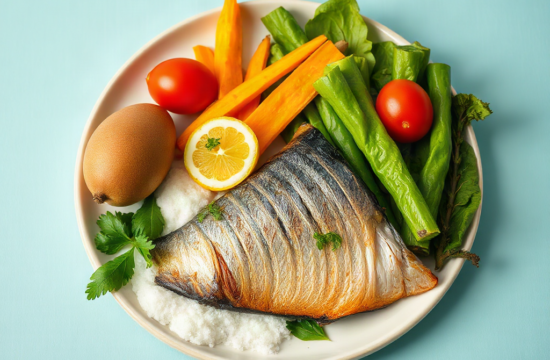
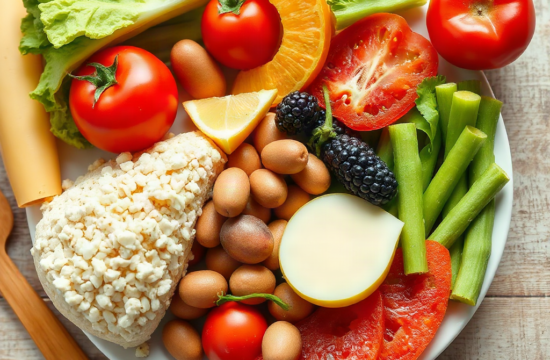
Focusing on nutrient-dense foods is essential for successful dieting. These foods provide more vitamins and minerals relative to their calorie content, helping you feel full and satisfied without consuming excessive calories. Incorporate plenty of fruits, vegetables, whole grains, and lean proteins into your meals.
Moreover, staying hydrated is often overlooked but plays a vital role in managing hunger. Drinking enough water can help differentiate between thirst and hunger, reducing unnecessary snacking. Aim to drink water before meals and keep a bottle handy throughout the day.
Avoiding Common Dieting Pitfalls
Several common pitfalls can hinder your progress on a diet plan. These include skipping meals, which can lead to overeating later, and not having a support system in place. It’s important to maintain regular meal times and seek support from friends or family to stay motivated and accountable.
Additionally, being overly restrictive can backfire. Allowing yourself occasional treats can prevent feelings of deprivation and make it easier to adhere to your plan long-term. The key is moderation; enjoy your favorite foods in smaller portions rather than completely eliminating them.
Support Your Weight Loss Goals
Huge Discount on the Best Certified Organic Nutrient Dense Supplement!
Frequently Asked Questions
What are the best tips for sticking to a diet plan?
Meal planning, incorporating nutrient-dense foods, and understanding emotional eating are key strategies for successfully sticking to a diet plan.
How can I avoid emotional eating?
Keep a food diary to track your eating patterns and identify emotional triggers, then develop alternative coping strategies such as exercise or hobbies.
What foods should I include in my diet?
Focus on fruits, vegetables, whole grains, and lean proteins to ensure you receive essential nutrients while staying satisfied.
How can I stay motivated on my diet?
Set realistic goals, track your progress, and seek support from friends or family to help maintain motivation and accountability.
Is it okay to have cheat meals?
Yes, allowing yourself occasional treats in moderation can prevent feelings of deprivation and help you stick to your diet long-term.
Conclusion
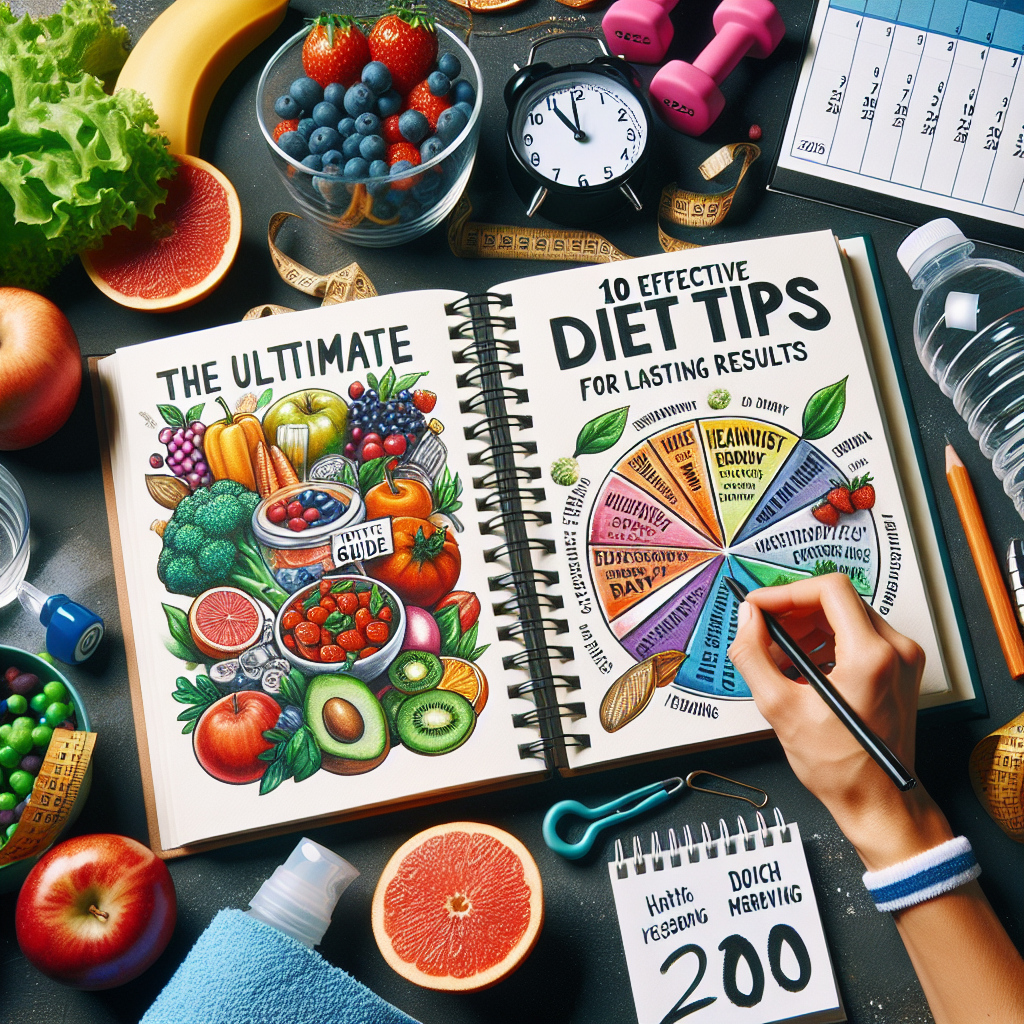
Sticking to your diet plan requires commitment and practical strategies. Prioritize meal planning, choose nutrient-dense foods, and address emotional eating triggers to create a sustainable approach to healthy eating. Remember, it’s not about perfection but progress; finding balance and moderation will aid in long-term success. Stay mindful of your choices, and don’t hesitate to seek support when needed. With dedication and the right strategies, achieving your dietary goals is within reach.