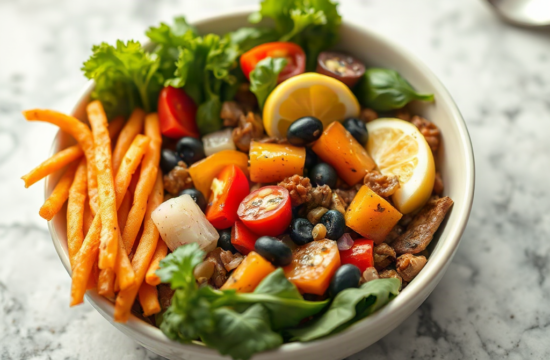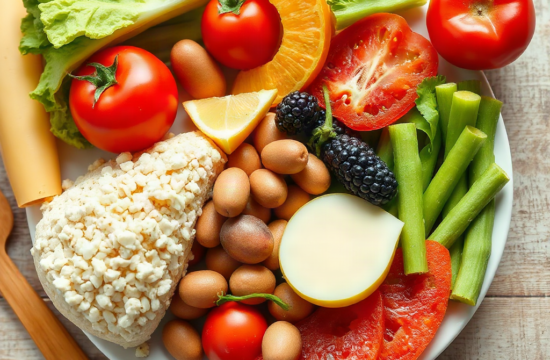

Many individuals fall into the trap of quick-fix diets or extreme exercise regimens that are unsustainable. Instead, a smart strategy focuses on making small, realistic changes that can be maintained over time. For instance, incorporating more whole foods into your diet, such as fruits, vegetables, whole grains, and lean proteins, can create a solid foundation for long-term health and weight management.
Understanding Caloric Deficit
A caloric deficit occurs when you consume fewer calories than your body expends. This fundamental principle is crucial for achieving fat loss. To create a sustainable caloric deficit, it is advisable to track your daily intake and make adjustments based on your activity level and weight loss goals. However, extreme calorie restriction can lead to muscle loss and metabolic slowdown, which is counterproductive to long-term fat loss.
Smart readers should prioritize a moderate caloric deficit that allows for gradual weight loss—about 1-2 pounds per week is considered safe and effective. This approach requires balancing calorie intake with energy expenditure while ensuring adequate nutrition. Utilizing tools such as food diaries or apps can help maintain awareness of your eating habits without becoming overly restrictive.
Importance of Nutrient-Dense Foods
Choosing nutrient-dense foods is essential for long-term fat loss. These foods provide essential vitamins and minerals while being lower in calories. Examples include leafy greens, berries, lean proteins, and whole grains. By prioritizing these foods, you can feel full and satisfied without exceeding your caloric goals.
Moreover, nutrient-dense foods help prevent nutritional deficiencies that often accompany weight loss diets. A focus on whole foods can mitigate cravings and make it easier to stick to your eating plan. Consider preparing meals at home to have better control over ingredients and portion sizes, which can enhance your overall food quality.
Incorporating Exercise Effectively
Physical activity is a critical component of any weight loss strategy. Engaging in a mix of cardiovascular exercise and strength training can optimize fat loss while preserving muscle mass. Aim for at least 150 minutes of moderate aerobic activity each week, combined with strength training exercises on two or more days.
Effective incorporation of exercise also means finding activities you enjoy. This enjoyment factor can significantly improve adherence to your routine. Additionally, consider incorporating everyday physical activities, such as walking or cycling, to increase your calorie expenditure without the stress of a formal workout.
Support Your Weight Loss Goals
Huge Discount on the Best Certified Organic Nutrient Dense Supplement!
Establishing Sustainable Habits
Creating habits that support a healthy lifestyle is vital for long-term fat loss success. This includes being mindful of portion sizes, eating slowly, and recognizing hunger cues. Establishing a routine that includes regular meal times can help regulate your appetite and prevent overeating.
Moreover, consider setting realistic goals and celebrating small victories to maintain motivation. Focus on the process rather than just the outcome, as this can foster a healthier relationship with food and exercise. Remember, sustainable fat loss is a marathon, not a sprint.
Further Reading
Authoritative Sources
- MedlinePlus
medlineplus.govConsumer-friendly medical and health information from the U.S. National Library of Medicine.
- National Institutes of Health
nih.govResearch-based health information and links to authoritative medical resources.
- Centers for Disease Control and Prevention
cdc.govOfficial public health guidance, prevention resources, and topic-specific recommendations.
- Mayo Clinic
mayoclinic.orgTrusted clinical guidance, symptom explainers, and treatment overviews.
- World Health Organization
who.intGlobal health guidance, fact sheets, and evidence-based public health information.
Frequently Asked Questions
What is the best diet for long-term fat loss?
A balanced diet rich in whole foods, including fruits, vegetables, lean proteins, and whole grains, is best for long-term fat loss.
How much exercise is needed for weight loss?
Aim for at least 150 minutes of moderate aerobic exercise per week, along with strength training on two or more days.
Can I lose weight without counting calories?
Yes, focusing on portion sizes and choosing nutrient-dense foods can help with weight loss without strict calorie counting.
What are common mistakes in weight loss?
Common mistakes include extreme dieting, skipping meals, and not incorporating physical activity into daily routines.
How can I stay motivated during my weight loss journey?
Set realistic goals, track your progress, and celebrate small achievements to maintain motivation throughout your journey.
Conclusion
In closing, achieving long-term fat loss requires a balanced approach that includes a sustainable caloric deficit, the consumption of nutrient-dense foods, and regular physical activity. It’s crucial to establish healthy habits and remain patient, as lasting results take time. By focusing on consistency and practicality, you can create a lifestyle that supports your weight loss goals and promotes overall well-being.