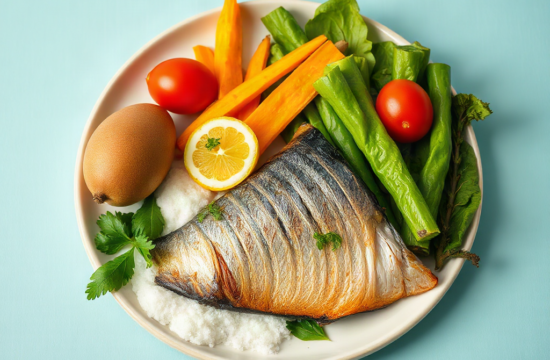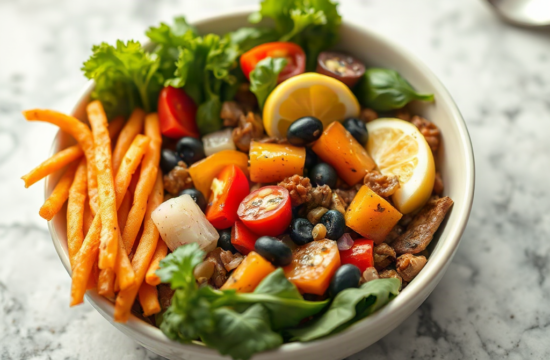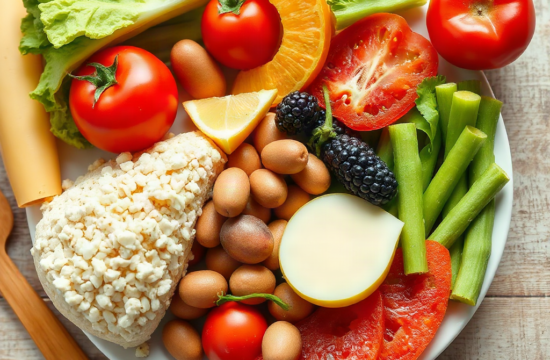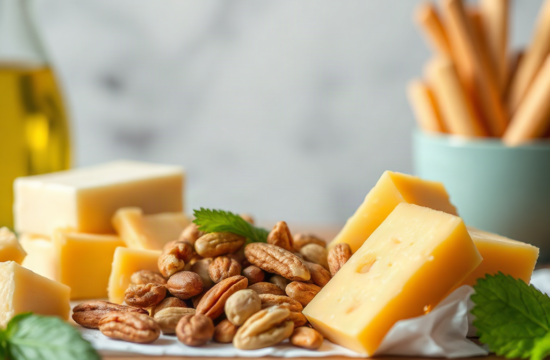
Many people mistakenly believe that quick fixes or fad diets are the only way to lose weight. However, sustainable fat loss is about making gradual changes that can be maintained over time. This involves understanding how different foods affect your body and finding a balance that works for your lifestyle. Prioritizing nutrient-dense foods while being mindful of portion sizes can significantly impact your journey toward sustainable fat loss.
A common pitfall is the misconception that all fats and carbohydrates are detrimental to weight loss. In reality, healthy fats and complex carbohydrates are crucial for overall health and can support your fat loss goals when consumed in moderation. It’s important to approach dieting with a mindset focused on nourishment rather than deprivation.
Understanding Macronutrients
Macronutrients are the building blocks of our diets, consisting of carbohydrates, proteins, and fats. Each plays a vital role in maintaining energy levels and supporting bodily functions. Understanding how to balance these macronutrients is crucial for sustainable fat loss.
For instance, protein is essential for muscle repair and growth, while healthy fats support hormone production and nutrient absorption. Carbohydrates provide energy for daily activities and workouts. Aiming for a balanced intake of these macronutrients can help you feel satiated and energized, reducing the urge to overeat.
Many individuals overlook the importance of protein in their diets, which can lead to muscle loss and slower metabolism. Prioritizing protein-rich foods such as lean meats, legumes, and dairy can help maintain muscle mass while losing fat.
Incorporating Whole Foods
Whole foods, such as fruits, vegetables, whole grains, and lean proteins, are packed with essential nutrients that support health and well-being. Incorporating these foods into your diet can enhance satiety and provide a steady source of energy.
Choosing whole foods over processed options reduces added sugars, unhealthy fats, and sodium, which can contribute to weight gain and health issues. Preparing meals from scratch using whole ingredients allows you to control what you consume, making it easier to stay within your caloric goals.
Many people struggle with incorporating whole foods due to convenience or taste preferences. Experimenting with different cooking methods and flavors can make healthy eating more enjoyable and sustainable in the long run.
Mindful Eating Practices
Mindful eating is a practice that encourages awareness of your eating habits and the sensations associated with food. By slowing down and savoring each bite, you can develop a healthier relationship with food and recognize hunger and fullness cues.
This practice can help prevent overeating and emotional eating by allowing you to be present during meals. Techniques such as putting down your utensils between bites and eliminating distractions can enhance the mindfulness of your eating experience.
Support Your Weight Loss Goals
Huge Discount on the Best Certified Organic Nutrient Dense Supplement!
Many individuals find it challenging to practice mindfulness consistently. Setting aside dedicated meal times without distractions, such as phones or television, can reinforce this habit and promote a healthier approach to eating.
The Role of Exercise
Exercise plays a crucial role in sustainable fat loss by increasing calorie expenditure and promoting muscle growth. Regular physical activity not only aids in weight management but also enhances overall health and well-being.
Incorporating a mix of cardiovascular and strength-training exercises can maximize fat loss efforts. Cardio helps burn calories, while strength training builds muscle, which can increase your resting metabolic rate. Finding activities you enjoy can make it easier to stay consistent with your exercise routine.
Many people underestimate the importance of consistency in exercise. Setting realistic goals and gradually increasing activity levels can lead to long-term success without overwhelming yourself.
Further Reading
Authoritative Sources
- MedlinePlus
medlineplus.govConsumer-friendly medical and health information from the U.S. National Library of Medicine.
- National Institutes of Health
nih.govResearch-based health information and links to authoritative medical resources.
- Centers for Disease Control and Prevention
cdc.govOfficial public health guidance, prevention resources, and topic-specific recommendations.
- Mayo Clinic
mayoclinic.orgTrusted clinical guidance, symptom explainers, and treatment overviews.
- World Health Organization
who.intGlobal health guidance, fact sheets, and evidence-based public health information.
Frequently Asked Questions
What are the best foods for sustainable fat loss?
Whole foods such as fruits, vegetables, lean proteins, whole grains, and healthy fats are ideal for sustainable fat loss as they provide essential nutrients and promote satiety.
How can I avoid emotional eating?
Practicing mindfulness, identifying triggers, and finding alternative coping strategies can help prevent emotional eating and promote healthier eating habits.
How much exercise do I need for fat loss?
Aiming for at least 150 minutes of moderate-intensity aerobic activity per week, combined with strength training at least twice a week, is recommended for effective fat loss.
Can I lose fat without counting calories?
Yes, focusing on whole foods, portion control, and mindful eating can lead to fat loss without the need for strict calorie counting.
What role does hydration play in fat loss?
Staying hydrated supports metabolism, aids digestion, and can help control appetite, making it an essential factor in sustainable fat loss.
Conclusion
To achieve sustainable fat loss, prioritize a balanced approach that includes understanding macronutrients, incorporating whole foods, practicing mindful eating, and maintaining regular exercise. Avoid quick fixes and focus on making gradual, long-lasting changes to your lifestyle. By understanding what truly supports fat loss and implementing these practices, you can achieve your goals while fostering a healthy relationship with food.