To achieve rapid fat loss, individuals need to adopt effective dieting strategies that align with their unique lifestyles and goals. This involves not just cutting calories but also ensuring that the food choices made are nutritionally sound. The best dieting tips for rapid fat loss emphasize balance, sustainability, and practicality, enabling individuals to make lasting changes rather than temporary fixes.
Many people seeking quick results often fall into the trap of extreme dieting, which can lead to burnout and frustration. Understanding the common mistakes—such as skipping meals, relying on processed diet foods, and neglecting physical activity—can help you navigate your weight loss journey more effectively. Prioritizing nutrient-dense foods and maintaining a consistent exercise routine are essential components of any successful fat-loss strategy.
Prioritizing Nutrient-Dense Foods
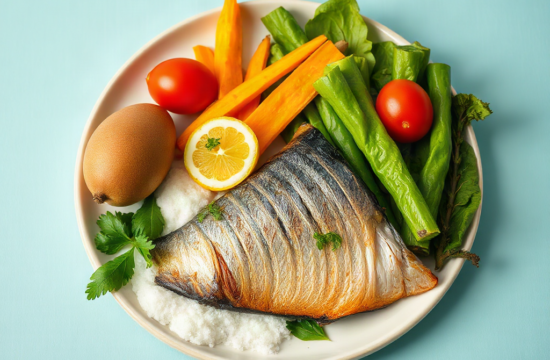
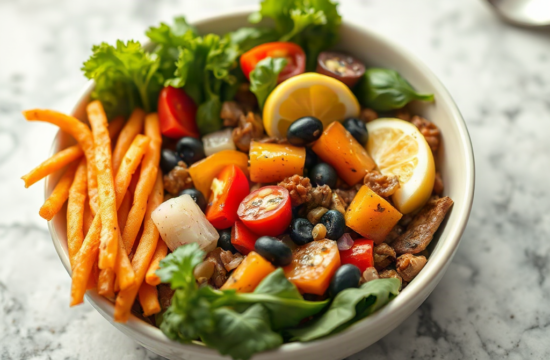
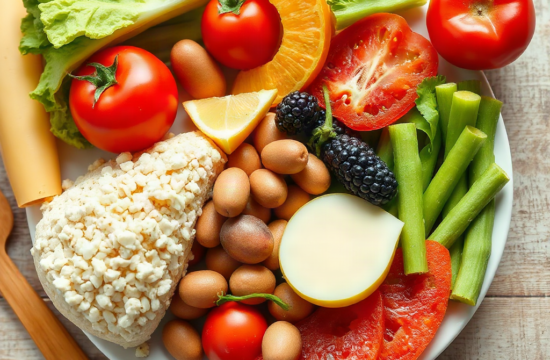
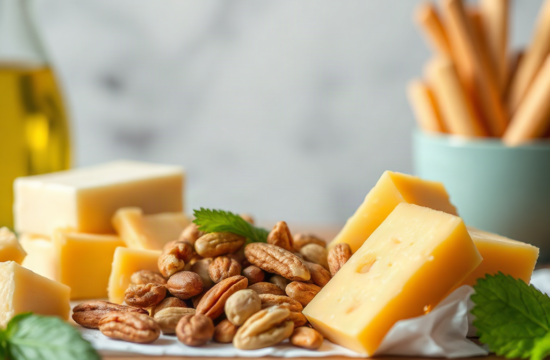
Nutrient-dense foods are those that provide a high amount of nutrients relative to their calorie content. This includes fruits, vegetables, lean proteins, whole grains, and healthy fats. Focusing on these foods not only supports fat loss but also overall health. When you fill your diet with nutrient-rich options, you’re less likely to overconsume calories, as these foods tend to be more satisfying.
Choosing whole foods over processed options is crucial. Processed foods often contain added sugars and unhealthy fats that can sabotage your dieting efforts. Smart readers should prioritize meal prepping and planning to ensure they have healthy options readily available, reducing the temptation to opt for convenience foods.
Hydration and Its Impact on Fat Loss
Staying hydrated is vital for overall health and plays a significant role in weight loss. Water helps in digestion, nutrient absorption, and can even aid in reducing hunger. Many people confuse thirst with hunger, leading to unnecessary snacking. Drinking enough water can help mitigate this issue.
A smart approach is to drink a glass of water before meals, as this can help control portion sizes and prevent overeating. Additionally, incorporating foods with high water content, such as fruits and vegetables, can further enhance hydration while providing essential nutrients.
The Role of Exercise in Dieting
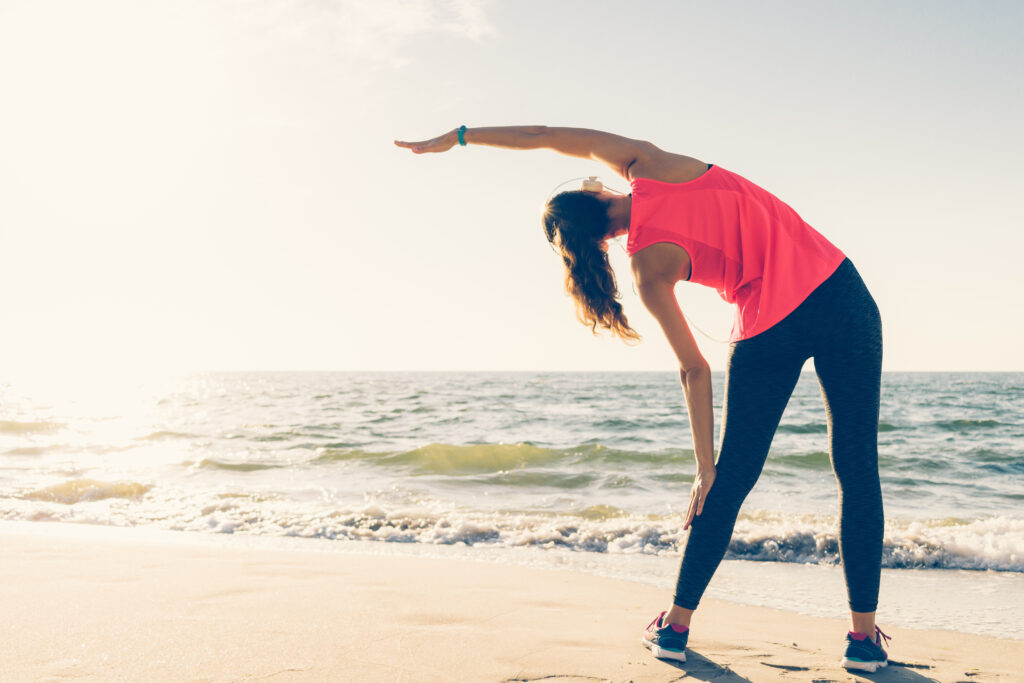
Exercise is a critical component of any fat-loss plan. While dieting alone can lead to weight loss, combining it with physical activity yields better results and promotes muscle retention. Strength training, in particular, is effective as it builds muscle, which in turn increases metabolic rate.
However, the type and intensity of exercise should align with individual capabilities and preferences. For some, high-intensity workouts may be motivating, while others may find success in moderate, consistent activities like walking or cycling. The key is to find what works best for you and to stay consistent.
Support Your Weight Loss Goals
Huge Discount on the Best Certified Organic Nutrient Dense Supplement!
Common Pitfalls to Avoid
Many individuals looking to achieve rapid fat loss make critical mistakes that can hinder their progress. One common pitfall is setting unrealistic expectations. Rapid weight loss can be tempting, but it often leads to yo-yo dieting and frustration.
Another mistake is neglecting the importance of balanced meals. Cutting out entire food groups or drastically reducing calorie intake can result in nutrient deficiencies and a lack of energy. Instead, focus on moderation and variety in your diet. Additionally, be wary of diet fads that promise quick fixes; these often lack scientific backing and can be detrimental to your health.
Further Reading
For those looking to delve deeper into effective dieting strategies and fat loss, consider exploring reputable resources such as nutrition-focused websites, peer-reviewed journals, and books by registered dietitians. These can provide valuable insights and evidence-based practices to support your journey.
Frequently Asked Questions
What are the best foods for rapid fat loss?
Nutrient-dense foods like fruits, vegetables, lean proteins, and whole grains are ideal for rapid fat loss.
How much water should I drink for fat loss?
Aim for at least 8 cups (64 ounces) of water daily, adjusting based on activity level and climate.
Is exercise necessary for fat loss?
While exercise enhances fat loss and promotes muscle retention, it is possible to lose weight through diet alone.
What should I avoid while dieting?
Avoid extreme diets, skipping meals, and processed foods that can hinder your progress.
How can I stay motivated during my fat loss journey?
Set realistic goals, track your progress, and find a support system to stay motivated throughout your journey.
Conclusion
In summary, achieving rapid fat loss is a multifaceted process that requires a focus on nutrient-dense foods, hydration, and consistent exercise. Prioritize realistic goals and avoid common pitfalls to maintain motivation and success. By implementing these strategies and understanding what truly matters in your dieting journey, you can achieve sustainable results that go beyond temporary fixes.