Need a Strong Nutrition Boost for Your Diet? Take a Look...
Are you looking to make meaningful progress toward your health goals in 2025? One of the most effective strategies is mastering portion control tips for dieting. Proper portion management helps you enjoy your favorite foods while avoiding overeating, which is crucial for sustainable weight loss and overall well-being. Whether you’re new to dieting or refining your habits, these practical tips will help you stay on track and reach your goals efficiently.
1. Use Smaller Plates and Bowls
Why It Works
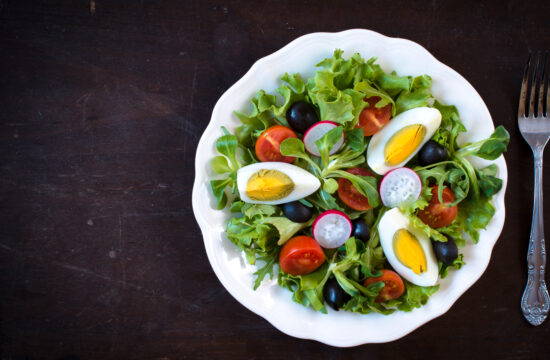
Using smaller dinnerware is an effortless way to control portions visually. Studies show that people tend to serve and eat more food when using larger plates, a phenomenon known as the “plate size effect.” By switching to smaller plates and bowls, you naturally limit your portion sizes without feeling deprived.
This trick works because our brains associate the size of the dish with the amount of food served. When you fill a smaller plate, it appears more substantial, helping you feel satisfied with less food. Over time, this simple change can lead to reduced calorie intake and support your dieting efforts.
Practical Tips
Next time you serve dinner, opt for a 9-inch or smaller plate instead of a traditional larger one. Use snack-sized bowls for cereal, yogurt, or nuts to control intake easily. Remember, it’s not about deprivation but about creating visual cues that promote healthy eating patterns.
To reinforce this habit, consider gradually transitioning to smaller dishes and keeping your regular-sized plates out of plain sight. This way, portion control becomes a natural part of your routine.
Additional Read: How Plate Size Influences Eating Habits
2. Measure Your Food Portions
Consistency Is Key
Accurately measuring your food is one of the most reliable portion control tips for dieting. Using measuring cups, a scale, or portion control containers ensures you know exactly how much you’re eating. This practice helps you develop awareness of serving sizes and prevents unintentional overeating.
Even experienced dieters can underestimate portion sizes, especially with calorie-dense foods like nuts or oils. Investing in a digital kitchen scale and measuring spoons can make a significant difference in maintaining accurate portions.
Developing a Habit
Make it a habit to portion out your meals and snacks ahead of time. For example, weigh your breakfast oats or pre-portion your nuts into small containers. This preparation turns portion control into a simple routine rather than a daily challenge.
Research indicates that people who measure their food tend to consume fewer calories overall. Incorporating this step into your daily routine can lead to better weight management and progress toward your 2025 health goals.
Learn More About Proper Portioning Techniques
3. Practice Mindful Eating
Slow Down and Savor
Practicing mindful eating helps you recognize your body’s hunger and fullness cues, preventing overeating. When you eat slowly and pay attention to each bite, you naturally reduce your portion sizes without feeling deprived. This method is a proven component of portion control tips for dieting that work well in 2025’s health-conscious environment.
Start by putting your utensils down between bites, focusing on flavors, textures, and smells. This mindfulness encourages better digestion and helps prevent the habit of eating out of boredom or distraction.
Strategies for Success
Limit distractions like TV or smartphones during meals so you can fully focus on your food. Set a timer for meals, aiming for at least 20 minutesâthis is the optimal time for your satiety signals to activate.
Additionally, check in with yourself halfway through your meal. If you’re already feeling full, consider stopping early, saving extra food for later, and preventing unnecessary calories intake.
Quick Tips for Mindful Eating
- Eat slowly, taking small bites
- Turn off screens during meals
- Pause halfway to assess hunger/fullness
4. Incorporate High-Fiber Foods
Fiber for Satiety
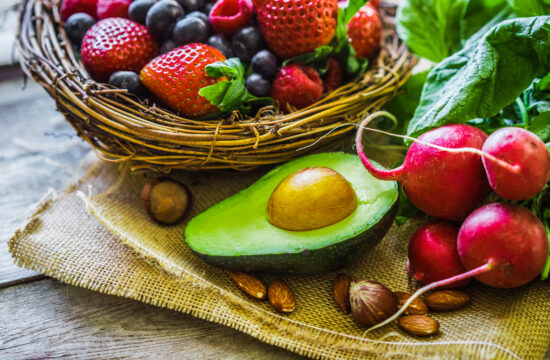
Foods rich in dietary fiber are essential for portion control tips for dieting because they add bulk without extra calories. High-fiber foods like vegetables, fruits, legumes, and whole grains slow digestion and promote fullness for longer periods.
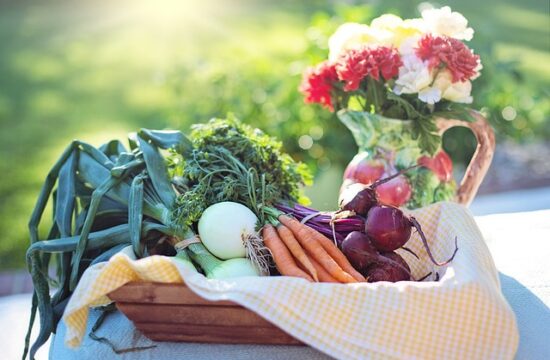
Including fiber-rich options in your meals can naturally reduce portion sizes by controlling hunger. For example, starting your meal with a salad or vegetable soup can help you eat less during the main course.
Tips for Increasing Fiber Intake
Aim to include at least 25-30 grams of fiber daily. Incorporate whole grains like oatmeal or quinoa, add vegetables to every meal, and snack on fruits or nuts high in fiber. These choices enhance satiety and support your portion control goals for 2025.
Remember, improve your fiber intake gradually to prevent digestive discomfort. Drinking plenty of water also helps fiber work effectively within your digestive system.
Discover More on High-Fiber Diets
5. Prepare and Pack Your Meals
Meal Prep for Portion Control
Meal prepping is a game-changer for maintaining portion control tips for dieting. When you prepare your meals in advance, you can control portion sizes precisely, avoid impulsive eating, and resist temptations from vending machines or takeout.
Label your containers with serving sizes to keep consistency. Planning your weekly meals ensures balanced nutrition and helps you stay aligned with your 2025 health and weight management goals.
Practical Meal Packing Tips
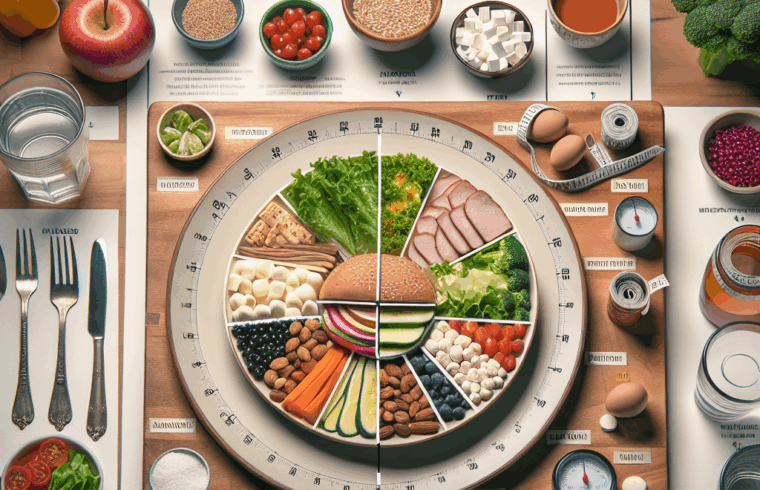
Use portion control containers or dividers to portion out your meals. For example, divide your lunch into compartments for protein, carbs, and vegetables. This visual division encourages balanced eating and helps prevent overeating.
Carrying healthy, pre-portioned snacks like yogurt, nuts, or fruit saves time, keeps you on track, and minimizes snacking on high-calorie options.
Good HealthY DIETING Solution is Easier Than Most People Think!
Take a Look for Yourself!
Learn About Meal Planning for Weight Loss
6. Watch Your Liquid Calories
The Impact of Beverages
Many underestimate the calories from drinksâsodas, sweetened teas, flavored coffees, or alcohol. These liquid calories can quickly add up, sabotaging your portion control tips for dieting. Monitoring beverage intake is crucial in 2025 when weight loss and maintenance are more targeted than ever.
Opt for water, herbal teas, or black coffee as your primary drinks. For flavor, add fresh lemon slices or herbs to make your water more appealing without extra calories.
Tips for Beverage Management
Set daily limits for high-calorie drinks and stick to them. Use a reusable water bottle with volume markers to track your intake and ensure adequate hydration. Avoid brainless sipping of sugary drinks that contribute to calorie excess.
Remember, staying hydrated can also help you feel full, reducing the likelihood of mistaking thirst for hunger, aiding your portion control efforts.
Learn About Calorie Counting and Hydration Strategies
7. Avoid Eating Straight from Packages
Learn to Portion Properly
When you eat snacks or packaged foods directly from the bag or box, it’s easy to lose track of quantities. This practice undermines portion control tips for dieting, leading to overeating. Instead, portion out snacks into small bowls or containers before eating.
This habit helps you visually measure your intake, promoting better control and awareness. It also prevents mindless eating that often occurs with packaged foods.
Practical Strategies
Always transfer snacks like chips, cookies, or trail mix into dishware. Use portion-controlled bags or containers for convenience. Developing this habit enhances mindfulness, making it easier to stick to your calorie targets.
Over time, you’ll become more aware of serving sizes and less tempted to indulge in large quantities impulsively.
Tips to Prevent Overeating from Packaged Foods
- Pre-portion snacks into small containers
- Use single-serving packaging when possible
- Practice mindful eating habits
8. Use Visual Cues for Portion Sizes
Understanding Standard Portions
Visual cues can help you estimate proper portion sizes without always measuring. For example, a deck of cards represents a serving of cooked meat, while a baseball indicates a cup of fresh fruit or vegetables.
Using visual references is particularly helpful when dining out or preparing meals without measuring tools. Familiarity with standard portion sizes supports your portion control tips for dieting in real-life situations.
Practical Tips for Visual Portioning
Keep a chart or infographic of common portion sizes for different food groups on your fridge or in your kitchen. Educate yourself about these visual cues so you can estimate correctly during meals.
This strategy increases awareness and helps prevent accidental overeating, aligning with your plan to reach health goals in 2025.
Discover the Best Visual Aids for Portion Control
9. Plan Your Meals Ahead of Time
Meal Planning Benefits
Having a meal plan reduces the stress of daily decision-making and minimizes impulsive eating, which often leads to larger portion sizes. Planning ahead also ensures variety and balance, aligning with your portion control tips for dieting in 2025.
By deciding your portions in advance, you set a clear target for each meal, avoiding last-minute alternatives that might be less healthy or larger than intended.
Getting Started
Design a weekly meal plan that includes predetermined portion sizes for each food group. Prepare grocery lists accordingly to ensure availability of healthy options. Consider batch cooking and dividing portions into containers for grab-and-go convenience.
This disciplined approach ensures consistency and keeps your weight management efforts on track.
Tools and Apps for Meal Planning Success
10. Stay Hydrated and Listen to Your Body
Hydration Supports Portion Control
Proper hydration is fundamental for effective portion control tips for dieting. Sometimes, what we interpret as hunger is actually thirst. Drinking enough water throughout the day can help curb unnecessary snacking and overeating.
Start your meals with a glass of water to help you feel fuller, reducing the likelihood of overeating during mealtime. Adequate hydration also improves digestion and overall health, essential for achieving your 2025 goals.
Listening to Hunger Cues
Pay attention to your body’s signals. Eat when you’re truly hungry, not out of boredom or emotional triggers. Practice distinguishing between physical hunger and cravings by waiting a few minutes before eating.
Over time, this mindful approach supports your portion control tips for dieting and promotes sustainable habits for a healthier lifestyle.
Quick Tips to Improve Hydration and Hunger Awareness
- Drink a glass of water before meals
- Eat slowly and check for fullness cues
- Keep a water bottle handy throughout the day
Conclusion
Mastering portion control tips for dieting is essential if you want to reach your health and weight goals by 2025. Incorporating strategies like using smaller plates, measuring your food, practicing mindful eating, and planning your meals can make a significant difference in your progress. Small, consistent changes can lead to long-term success, helping you feel satisfied while managing calorie intake effectively. Remember, the key is developing habits that integrate these tips seamlessly into your daily routine. Stay committed, be patient, and watch your goals become reality in 2025!
Frequently Asked Questions
- What are the best portion control tips for dieting?
- Some of the best tips include using smaller plates, measuring food, practicing mindfulness, and preparing meals in advance. Combining these strategies can significantly improve your ability to control portions effectively.
- How can I maintain portion control while eating out?
- Ask for half portions or order appetizers as main dishes. Use visual cues and avoid eating straight from packages. Planning ahead and choosing restaurants with healthy options helps as well.
- Is measuring food really necessary for portion control?
- While not always required, measuring food ensures accuracy and builds awareness of typical serving sizes. Itâs especially helpful when starting your portion control journey or dealing with calorie-dense foods.
- Why is mindful eating important in portion control?
- Mindful eating encourages slow, attentive meals, helping you recognize fullness cues and prevent overeating. It supports better digestion and enhances your control over portion sizes.
- Can drinking water help with portion control?
- Yes, drinking water before and during meals can promote satiety, reduce hunger, and prevent overeating. Staying well-hydrated is a simple yet effective part of successful dieting in 2025.