
Need a Strong Nutrition Boost for Your Diet? Take a Look...
Table of Contents
- 1. Use Smaller Plates and Bowls
- 2. Measure and Weigh Your Food
- 3. Plan Your Meals Ahead of Time
- 4. Practice Mindful Eating
- 5. Read Nutrition Labels Carefully
- 6. Incorporate High-Volume, Low-Calorie Foods
- 7. Limit Distractions During Meals
- 8. Use Portion Control Containers
- 9. Avoid Eating Straight from Packaging
- 10. Stay Consistent and Track Your Progress
1. Use Smaller Plates and Bowls
Visual Cues Influence Your Portion Sizes
One of the simplest yet most effective portion control strategies is using smaller plates and bowls. When you serve food on a smaller dish, your brain perceives the portion as larger, helping to reduce overeating. This psychological trick can make a significant difference in managing your overall intake. For example, switching from a 12-inch plate to a 9-inch plate can reduce your food servings by up to 25% without feeling deprived.
Studies show that people tend to fill their plates regardless of size, often filling larger plates with less food, which appears more plentiful. Using smaller tableware not only helps control portion sizes but also encourages mindful eating. Over time, this visual cue routine can reprogram your habits toward healthier, moderate servings.
Another tip is to serve your meals directly onto smaller dishes instead of family-style serving. This boundary helps prevent second or third helpings, which are common pitfalls in portion control. Remember, changing how you serve your food influences your behavior and contributes significantly to your portion control strategies for 2025.
2. Measure and Weigh Your Food
The Power of Precision in Portion Management
Relying solely on visual estimation can lead to overeating. Using measuring cups, spoons, or a digital food scale ensures accuracy, especially when youâre just starting your portion control journey. For example, a standard serving of cooked rice is about ½ cup or roughly 100 grams, which can be hard to judge without measurement tools.
Investing a few minutes daily to weigh your food can improve your awareness of actual portion sizes. Over time, this practice helps you intuitively recognize appropriate amounts without constant measurement. The data from recent 2025 nutrition trends emphasizes that precise portion sizes correlate with better weight management outcomes.
Additionally, keeping a food journal about your portion sizes can reveal patterns and help you adjust your habits. If your goal is losing weight or maintaining a healthy lifestyle, accurate measurement is a cornerstone of your effective portion control strategies.
3. Plan Your Meals Ahead of Time
Eliminate Temptations with Preparedness
Meal planning is a proven strategy to prevent impulsive overeating. By preparing balanced meals in advance, you control the portion sizes and avoid grabbing extra helpings or unhealthy snacks. For instance, prepping portioned containers of salad, grilled chicken, or snacks can simplify adherence to your portion control strategies.
Planning also allows for better macronutrient balance and ensures you’re not unintentionally overeating carbohydrates or fats. In 2025, digital apps and online tools make planning and tracking portions easier than ever. These tools can help you visualize your intake and stay aligned with your health goals.
Taking time each week to plan your meals and snacks not only saves time but also reduces decision fatigue, leading to smarter portion choices. Implementing this simple yet effective strategy can significantly impact your success with portion control and overall health in 2025.
4. Practice Mindful Eating
Slow Down to Savor Your Food
Mindful eating involves paying full attention to the sensory experience of eatingâthe taste, texture, and aroma. This practice encourages slower eating, which gives your brain time to receive signals of fullness. Many people find that by eating mindfully, they naturally reduce their portion sizes without feeling deprived.
Research indicates that mindful eaters consume fewer calories and report higher satisfaction levels from their meals. Strategies include chewing thoroughly, savoring each bite, and avoiding multitasking during meals. These habits help you become more aware of your body’s hunger cues.
In busy 2025 lifestyles, mindfulness can be integrated into your routine by setting aside specific times for meals and avoiding distractions like phones or TV. Developing this awareness fosters better control over portion sizes and fosters a healthier relationship with food.
5. Read Nutrition Labels Carefully
Decoding Portion Information
Nutrition labels are invaluable tools for managing portion control strategies. They provide information on serving sizes, calorie content, and macronutrient details. Making it a habit to read labels helps you make informed choices and avoid unknowingly consuming larger portions.
For example, a bag of chips may appear small but could contain multiple servings. Knowing the exact nutrition information per serving helps you stay within your desired calorie range. This awareness is essential for maintaining portion sizes aligned with your health targets.
In 2025, many products now include clear, easy-to-understand serving size data, empowering consumers. Incorporate this habit into your shopping routine to support your portion control strategies effectively.
6. Incorporate High-Volume, Low-Calorie Foods
Feeling Full Without Excess Calories
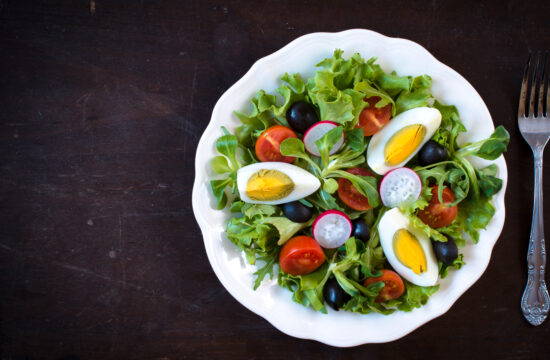
Vegetables, fruits, and fibrous foods are great allies in your portion control strategies because they add volume and satiety without excessive calories. For instance, adding extra leafy greens or steamed vegetables can make a meal feel more substantial.
This approach allows you to enjoy larger portions of nutritious, low-calorie foods, helping you stay full longer. Data from 2025 nutrition studies support the idea that high-volume, low-calorie foods are essential for sustainable weight management.
By filling your plate with these foods, you reduce the likelihood of overeating calorie-dense items. Practical tip: start meals with a vegetable salad, which can help control portions of higher-calorie main dishes.
Support Your Weight Loss Goals
Huge Discount on the Best Certified Organic Nutrient Dense Supplement!

7. Limit Distractions During Meals
Focus for Better Portion Awareness
Eating while distracted, such as watching TV or scrolling social media, often leads to mindless overeating. To implement effective portion control strategies, create a distraction-free environment during meals. Sit at a table, turn off screens, and focus solely on your food.
This mindfulness practice helps you recognize signals of fullness, preventing you from eating beyond your intended portion. Several studies from 2025 underscore the importance of attention during meals for achieving better portion control.
Set a routine to eat in a calm environment, savor each bite, and listen to your body’s cues. Over time, this reduces the tendency to overeat and enhances the effectiveness of your portion control strategies.
8. Use Portion Control Containers
Pre-Portion Your Snacks and Meals
Specialized portion control containers are handy tools designed to help you stick to appropriate serving sizes. These containers are often color-coded or marked with volume indicators. By pre-portioning snacks, nuts, or even meals, you make healthier choices easier and more consistent.
For example, packing snacks into containers that hold exactly 100 calories or ½ cup servings removes guesswork. This strategy not only simplifies decision-making but also minimizes impulsive overeating.
In 2025, many brands now offer eco-friendly, durable containers suitable for all dietary preferences. Incorporating portion control containers into your routine can be a game-changer in your overall strategy for reaching health goals.
9. Avoid Eating Straight from Packaging
Serve and Plate Your Food
Eating directly from packaging can lead to unintentional overeating because portion sizes are uncontrolled. Instead, serve your snacks or meals on plates or bowls. This simple act creates a visual and behavioral cue to regulate intake.
This tactic is especially effective with snack foods like chips or cookies, which are easy to consume mindlessly. If you pour out a serving, you are more likely to finish within a reasonable amount.
Adopting this approach aligns well with your overall portion control strategies by promoting mindful serving sizes. It also helps you develop better habits for portion awareness in everyday life.
10. Stay Consistent and Track Your Progress
Build Long-Term Habits for Success
The foundation of effective portion control strategies is consistency. Use tools like food journals, apps, or photo logs to track your portions and progress. Regular tracking increases accountability and highlights areas needing adjustment.
Research consistently shows that people who monitor their food intake are more successful in reaching their health goals. By reviewing your data weekly, you identify patterns like emotional eating or portion slip-ups and refine your strategies accordingly.
Set realistic milestones and celebrate small wins to stay motivated. Remember, the key to achieving your 2025 goals lies in persistent, mindful efforts backed by data and self-awareness, making your portion control strategies more effective over time.
Frequently Asked Questions
1. What are some beginner-friendly portion control strategies?
Starting with simple measures like using smaller plates, measuring your food, and planning meals ahead can make a significant difference. These strategies are easy to implement and set the foundation for healthier habits.
2. How do I maintain my portion control strategies during social events?
Bring your own healthy snacks in portioned containers, choose smaller servings, and practice mindful eating. Being prepared helps you stick to your portion goals even in social settings.
3. Can portion control strategies help with long-term weight management?
Absolutely! Consistent use of portion control strategies promotes sustainable habits, preventing overeating and supporting steady weight loss or maintenance over time, including into 2025 and beyond.
4. What tools can help me better manage portion sizes in 2025?
Digital food scales, portion control containers, meal planning apps, and food journals are excellent tools to enhance your portion management efforts.
5. Why is portion control strategies important for overall health?
Proper portion control helps regulate calorie intake, improve digestion, and prevent chronic diseases such as diabetes and heart disease. It promotes a balanced and sustainable approach to healthy living.
Conclusion
Implementing effective portion control strategies is a vital step toward achieving your health and wellness goals in 2025. From using smaller plates to mindful eating and careful planning, each tactic plays a role in developing sustainable habits. Remember, consistency is key, and understanding how to control your portions can transform your relationship with food. By incorporating these strategies into your daily routine, you’ll be well on your way to a healthier, more balanced lifestyle. Don’t forgetâyour success hinges on thoughtful, deliberate efforts using the right portion control strategies tailored to your needs. Here’s to reaching your 2025 goals with confidence and control!
Huge Discount on the Best Certified Organic Nutrient Dense Supplement!