
Need a Strong Nutrition Boost for Your Diet? Take a Look...
- 1. Prioritize Organic Fruits and Vegetables
- 2. Choose Organic Grains and Legumes
- 3. Read Labels Carefully
- 4. Incorporate Organic Dairy and Meat
- 5. Grow Your Own Organic Produce
- 6. Use Organic Cooking Oils and Condiments
- 7. Opt for Organic Snacks and Beverages
- 8. Support Local Organic Farmers
- 9. Plan Your Organic Meals Weekly
- 10. Stay Informed with Organic Certifications and Trends
1. Prioritize Organic Fruits and Vegetables
Understanding the Benefits of Organic Produce
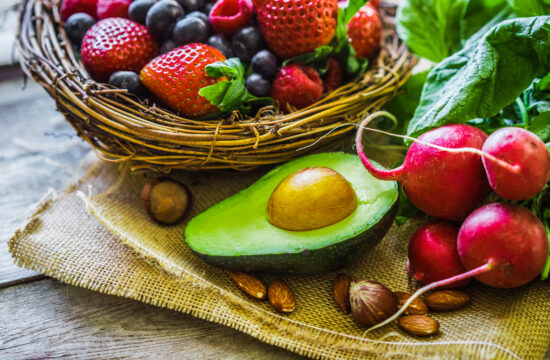
Starting with organic fruits and vegetables is one of the most effective organic diet tips for improving your health. Organic produce is grown without synthetic pesticides, fertilizers, or genetically modified organisms (GMOs), making it a safer choice for your body and the environment. According to the 2025 Organic Trade Association report, consumers are increasingly aware of the health benefits, leading to a 15% rise in organic produce sales worldwide this year.
Eating organic fruits and veggies can significantly reduce your exposure to pesticide residues, which have been linked to health issues like hormonal disruptions and neurological problems. For example, apples, strawberries, and spinach are among the produce with the highest pesticide residues, so choosing organic versions can be a meaningful way to minimize risks.
Incorporating more organic produce into your diet doesnât have to be costly or complicated. Focus on seasonal and locally sourced options for the best flavor and affordability. This is a core component of the best organic diet tips that can be easily integrated into daily life.
Practical Tips for Buying Organic Fruits and Vegetables
To maximize your benefits, make a shopping list of organic favorites and stick to it. Visit farmers’ markets or join a local CSA (Community Supported Agriculture) for fresh, organic options directly from growers. Always check for certification labels, such as USDA Organic, to ensure authenticity. During peak season, buy in bulk to save money and store properly to prolong freshness.
Consider freezing excess produce for future use. Freeze berries, tomatoes, or herbs for convenient, organic ingredients whenever needed. This strategy helps you enjoy organic foods year-round without breaking the bank.
Remember, the more organic fruits and vegetables you consume, the healthier your diet will becomeâmaking it a cornerstone of effective organic diet tips for 2025.
2. Choose Organic Grains and Legumes
Why Switch to Organic Grains?
Grains and legumes like rice, oats, lentils, and beans form the foundation of a healthy diet. Opting for organic versions reduces your intake of harmful chemicals used in conventional farming. According to recent studies, non-organic grains often contain pesticide residues, which can accumulate in your body over time.
Organic grains are also richer in nutrients since they are grown without synthetic fertilizers that can deplete soil health. For example, organic oats tend to retain higher levels of antioxidants, making them a smarter choice for overall wellness.
In 2025, more brands are offering organic grain products, making it easier than ever to switch. Incorporating these into your diet supports sustainable farming practices while boosting your health.
Tips for Incorporating Organic Grains and Legumes
Start by replacing your regular rice and oats with organic options. Experiment with different types like quinoa, barley, or organic chickpeas to diversify your nutrient intake. Store grains in airtight containers in a cool, dark place to maintain freshness and prevent pests.
Making homemade meals with organic ingredients saves money and ensures quality. For example, prepare organic bean salads or hearty soups using organic lentils and vegetables for quick, nutritious meals.
Choosing organic grains and legumes is a simple yet powerful organic diet tip that can elevate your diet’s nutritional value in 2025.
3. Read Labels Carefully
Decoding Organic Labels
One of the most important organic diet tips is being diligent about reading labels. Understand the difference between “organic,” “non-GMO,” and other terms to make informed choices. USDA Organic certification guarantees that the product meets strict standards for farming practices, so look for this label whenever possible.
In 2025, many products contain multiple labelsâknow what they mean. For instance, “100% Organic” indicates all ingredients are organic, while “Organic” may allow some non-organic components. This knowledge helps you prioritize quality.
Always check the ingredients list for additives, preservatives, and artificial flavors that conflict with an organic lifestyle. The clearer your label comprehension, the better your diet choices will be.
Tips for Smarter Shopping
Create a checklist of essential keywords and symbols to recognize truly organic products. Shop primarily at stores with transparent sourcing policies or reputable farmersâ markets. When shopping online, verify seller certifications before purchasing.
Even with processed foods, choosing options with organic ingredients ensures fewer chemicals and additives. Making label reading a routine empowers you with the knowledge to support your health goals effectively.
Careful label reading is a foundational organic diet tip that ensures you get the best from your healthy eating journey in 2025.
4. Incorporate Organic Dairy and Meat
Why Choose Organic Dairy and Meat?
Conventional dairy and meat products often contain antibiotics, hormones, and synthetic additivesâcompounds that you can avoid with organic options. Switching to organic dairy and meat reduces your pesticide exposure and supports animal welfare.
Research from 2025 shows that organic dairy products contain higher omega-3 fatty acids and beneficial nutrients. For those wanting to boost heart health, this is an important organic diet tip.
Integrating organic options may seem challenging at first, but with strategic shopping, it becomes second nature. This switch is an impactful step toward a cleaner, healthier diet that aligns with sustainable practices.
Tips for Buying Organic Meat and Dairy
Seek out local organic farms or trustworthy brands that offer verified organic labels. Purchasing in bulk or joining a meat CSA can save money while ensuring quality. Always check for proper certification to avoid misleading labels.
Incorporate organic dairy into your daily routine through milk, yogurt, and cheese. Use organic meats for grilling, slow-cooking, or baking. Cooking at home gives you control over ingredients, ensuring your meals remain healthy and organic.
Choosing organic meats and dairy is a vital organic diet tip for 2025, promoting wellness and ethical farming practices.
5. Grow Your Own Organic Produce
Benefits of Home Organic Gardening
Growing your own organic produce is one of the most rewarding organic diet tips. It guarantees freshness and eliminates pesticide concerns. Plus, gardening can be therapeutic and cost-effective over time.
Even small spaces like balconies or windowsills can host herbs or container veggies. Growing tomatoes, herbs, or leafy greens can boost your intake of organic foods and encourage a sustainable lifestyle.
According to gardening trends in 2025, urban gardening is booming, reflecting a growing desire for control over how food is grown and maintained.
Starting Your Organic Garden
Begin with easy-to-grow organic seeds and use organic compost and soil. Avoid chemical pesticides by utilizing natural pest control methods, like companion planting and beneficial insects.
Make your gardening routine part of your weekly schedule. Harvest fresh produce regularly and incorporate it into your meals. This hands-on approach not only provides organic food but also deepens your connection to nourishing your body.
Growing your own organic produce is a practical, satisfying, and sustainable organic diet tip that can significantly improve your health in 2025.
6. Use Organic Cooking Oils and Condiments
Choosing the Right Oils
Healthy cooking begins with choosing the right oils. Organic extra virgin olive oil, avocado oil, and coconut oil are excellent options for their anti-inflammatory and antioxidant properties. These oils retain more nutrients when processed organically and minimally.
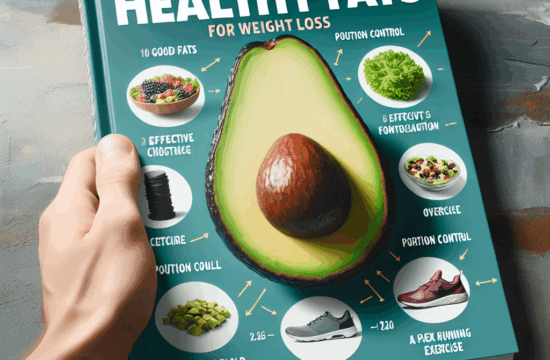
Support Your Weight Loss Goals
Huge Discount on the Best Certified Organic Nutrient Dense Supplement!

In 2025, the market offers a variety of organic, cold-pressed oils that provide superior flavor and health benefits. Replacing conventional oils with organic options is an effective organic diet tip for maintaining a nutritious diet.
Be mindful of usage; even healthy oils are calorie-dense. Use them in moderation for dressings, sautéing, or baking to maximize health benefits.
Organic Condiments and Enhancers
Switch to organic vinegars, mustards, and soy sauces to flavor your meals without synthetic additives. These condiments can elevate simple dishes and are more aligned with your organic lifestyle goals.
Read labels carefullyâmany store-bought condiments contain preservatives or artificial flavors. Organic versions secure your commitment to clean eating and better health in 2025.
Making the switch to organic oils and condiments is a small step with big dietary impacts, representing a key organic diet tip for a holistic health approach.
7. Opt for Organic Snacks and Beverages
Healthy Organic Snack Ideas
Snacking healthily is easy with organic nuts, seeds, dried fruits, and granola bars. Choosing organic options reduces chemical exposure and boosts nutrient quality.
Prepare homemade snacks like roasted chickpeas or organic trail mixes for quick, nutritious options during your busy day. Avoid processed snacks loaded with artificial sweeteners and preservatives.
In 2025, organic snack brands are innovating with better flavors and ingredients, making it easier to stick to healthy choices that support your organic diet tips.
Choosing Organic Beverages
Switch to organic teas, coffee, and plant-based milks. Organic caffeine sources contain fewer pesticides and chemicals, contributing to better overall health.
Incorporate infused waters with organic fruits or herbs for flavorful hydration. Avoid sugary sodas and opt for mineral waters or organic fruit juices in moderation.
By choosing organic snacks and beverages, you’re supporting your health and the environmentâfundamental aspects of effective organic diet tips in 2025.
8. Support Local Organic Farmers
Building Community and Access
Supporting local organic farmers connects you to your community and ensures fresher, more sustainable produce. Attend farmersâ markets regularly or join organic food co-ops.
Buying directly from farmers reduces transportation emissions and fosters transparent farming practices, aligning with your organic diet tips for environmental responsibility.
In 2025, many communities are expanding local organic initiatives, making it easier than ever to access quality foods that support your health goals.
Benefits of Local Organic Sourcing
Locally sourced organic foods tend to be more nutrient-dense because they are harvested at peak ripeness. They also support farm resilience and local economies.
Create a weekly routine of visiting farmersâ markets or subscribing to organic food box programs. This consistency helps you plan and stick to your organic diet tips effectively.
Supporting local organic farms is a vital strategy for a sustainable, healthy lifestyle in 2025.
9. Plan Your Organic Meals Weekly
The Power of Meal Planning
One of the most effective organic diet tips is to plan your meals ahead of time. This habit helps you avoid last-minute temptations of processed or non-organic foods and ensures balanced nutrition.
Spend time each weekend mapping out your menu, shopping list, and prep. Use seasonal organic ingredients to maximize freshness and flavor.
Studies in 2025 indicate that meal planning reduces food waste and enhances dietary adherence, making it a cornerstone habit for a successful organic lifestyle.
Meal Prep Tips for Organic Eating
Cook large batches of organic grains, roasted vegetables, and proteins for quick meals during busy weekdays. Use airtight containers to store pre-made organic dishes.
Experiment with simple recipes like organic grain bowls, salads, and wraps that you can assemble in minutes. Keep a rotating list of favorite organic ingredients to diversify your diet.
Proper planning saves time, money, and ensures you stick to your organic diet tips for sustained health improvement in 2025.
10. Stay Informed with Organic Certifications and Trends
Keeping Up with Trends
Remaining educated about organic standards, new certifications, and innovative products ensures your diet stays aligned with the best practices. Follow trusted sources like USDA, Organic Trade Association, and reputable health blogs in 2025.
Look for emerging trends such as regenerative organic farming and bio-dynamic practices. Incorporating these principles can deepen your commitment and impact.
Regularly updating your knowledge empowers you to make smarter choices, making staying informed a key organic diet tip for lifelong health.
Resources for Staying Informed
Join online communities, subscribe to newsletters, and attend local organic expos and workshops. These resources help you stay current with new organic products, recipes, and health research.
Use apps and tracking tools to verify product authenticity and learn about farming practices. This proactive approach ensures your organic diet is both effective and socially responsible.
Staying informed is vital for continuously enhancing your organic diet tips and transforming your health in 2025.
Conclusion
Adopting the right organic diet tips in 2025 can significantly enhance your overall health, environmental sustainability, and support local communities. From choosing organic produce and elevating your cooking practices to staying well-informed about industry trends, every step matters. Remember, the key to success with an organic lifestyle is consistency and education. Implement these ten organic diet tips, and you’ll be well on your way to a healthier, more vibrant life. Trust in these proven strategies to help you fully embrace the benefits of an organic diet throughout 2025 and beyond!
Frequently Asked Questions
- 1. What are the main benefits of following organic diet tips in 2025?
- Following organic diet tips helps reduce pesticide exposure, improves nutrient intake, supports sustainable farming, and promotes overall health. In 2025, these benefits are even more backed by research and industry standards.
- 2. How can I start incorporating more organic foods into my diet?
- Begin by replacing your regular fruits, vegetables, grains, and proteins with organic options. Use shopping lists, visit farmers’ markets, and plan your meals weekly to make the transition manageable and sustainable.
- 3. Why is reading labels an important organic diet tip?
- Reading labels ensures you are choosing truly organic products and avoiding artificial additives or chemicals. It helps you make informed decisions that align with your health goals.
- 4. Are organic foods more affordable in 2025?
- While some organic foods may still carry a premium, the increasing availability, local sourcing, and bulk options available in 2025 make it more accessible for many people.
- 5. How does supporting local organic farmers benefit my health?
- Buying locally ensures fresher, nutrient-dense foods and supports sustainable farming practices. It also fosters community connections and reduces environmental impact.
<!– FEATURED SNIPPET OPPORTUNITY:
Top 3 Organic Diet Tips for 2025
- Prioritize organic fruits and vegetables.
- Read labels carefully to ensure authenticity.
- Support local organic farmers for fresher, sustainable produce.
–>
Huge Discount on the Best Certified Organic Nutrient Dense Supplement!
Related Content
- 10 Effective Easy Weight Loss Plans for 2025 That Guarantee Results
- 10 Effective weight loss meal ideas (2025 Guide) to Transform Your Results
- Transform Your Approach with Natural Weight Loss Tips That Work for Sustainable Results
- Understanding Hunger Hormones While Dieting
- How To Eat Healthy And Lose Excess Weight