
Need a Strong Nutrition Boost for Your Diet? Take a Look...
- 1. Incorporate High-Fiber Foods
- 2. Prioritize Protein-Rich Meals
- 3. Stay Hydrated with Water and Herbal Teas
- 4. Use Mindful Eating Techniques
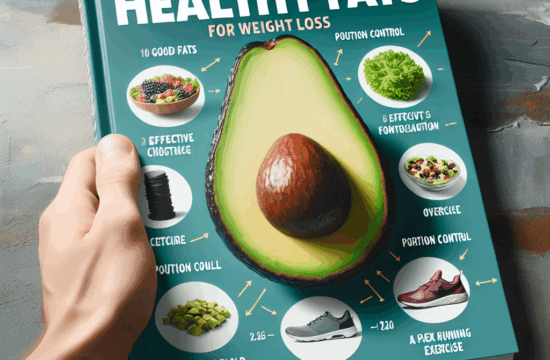
- 5. Include Healthy Fats in Your Diet
- 6. Sleep Well to Regulate Hunger Hormones
- 7. Manage Stress Effectively
- 8. Use Portion Control and Smaller Plates
- 9. Incorporate Appetite-Boosting Superfoods
- 10. Stay Active with Regular Exercise
1. Incorporate High-Fiber Foods
Why Fiber Helps with Natural Appetite Control
Fiber-rich foods are a cornerstone of effective natural appetite control. They slow digestion, promote a feeling of fullness, and stabilize blood sugar levels. For 2025, increasing your intake of vegetables, fruits, legumes, and whole grains can significantly curb unnecessary cravings and overeating episodes.
Studies show that soluble fiber, such as oats, flaxseeds, and beans, forms a gel-like substance in your digestive system. This process delays gastric emptying, keeping you fuller longer. Incorporating these foods into your breakfast or snacks can be a game-changer for appetite management.
For example, adding ground flaxseed to your yogurt or oatmeal can boost fiber intake effortlessly. Itâs an easy, natural way to enhance satiety and support your weight management goals.
Practical Tips for Fiber-Rich Eating
Start your day with a high-fiber breakfast like oatmeal topped with berries and nuts. Include a variety of colorful vegetables in your salads and stir-fries. Swap refined carbs for whole-grain options, such as brown rice or whole-wheat bread. These small changes can make a big difference in your natural appetite control strategies for 2025.
Remember, while fiber is beneficial, itâs essential to increase intake gradually to avoid digestive discomfort. Drinking plenty of water throughout the day helps fiber do its job effectively.
2. Prioritize Protein-Rich Meals
The Role of Protein in Suppressing Hunger
Protein is a powerful nutrient for natural appetite control. Consuming adequate amounts of lean proteins, like chicken, fish, eggs, and plant-based sources, increases feelings of fullness and reduces overall calorie intake. In 2025, balanced protein consumption remains a proven way to curb hunger naturally.
Research published in 2025 indicates that protein can decrease levels of Ghrelin, the hunger hormone, while increasing peptide YY, a satiety hormone. This hormonal shift helps you feel satisfied longer after meals.
For instance, incorporating a serve of salmon or chickpeas into your lunch or dinner can keep mid-afternoon snacking at bay.
Meal Planning for Better Appetite Control
Aim to include a good source of protein in every mealâwhether itâs eggs at breakfast, grilled chicken at lunch, or plant-based options like tofu. Combining protein with fiber-rich carbs maximizes fullness and offers sustained energy.
To optimize your natural appetite control in 2025, consider protein smoothies or snacks like Greek yogurt, nuts, or boiled eggs. These are portable options that prevent sudden hunger pangs.
3. Stay Hydrated with Water and Herbal Teas
How Hydration Influences Appetite
Many people confuse thirst with hunger. Staying well-hydrated helps you distinguish real hunger from dehydration signals. In 2025, conscious hydration remains a simple yet effective natural appetite control tip.
Drinking a glass of water before meals can help reduce calorie intake and promote fullness. Herbal teas, like green tea or peppermint, also provide a comforting, calorie-free way to curb appetite throughout the day.
Research suggests that drinking enough fluids can decrease hunger sensations by up to 20%, supporting a healthy weight management plan.
Practical Hydration Strategies
Set alarms to remind yourself to sip water regularly. Incorporate herbal teas into your daily routine for their additional health benefits, such as antioxidants and digestion support. Carry a reusable water bottle to stay on track wherever you go.
Consistent hydration is especially crucial during the warmer months or after exercise, to ensure optimal natural appetite control and overall wellness.
4. Use Mindful Eating Techniques
Practicing Mindfulness to Reduce Overeating
Mindful eating involves fully focusing on your foodâits taste, texture, and aromaâwithout distractions. This practice helps you recognize true hunger cues and prevents mindless snacking, which is vital for natural appetite control.
In 2025, mindfulness has gained recognition as a practical tool for sustainable weight management. By slowing down and savoring each bite, you can naturally regulate your intake and enjoy your food more.
Many individuals find that this awareness decreases emotional eating and improves overall relationship with food.
Tips to Incorporate Mindfulness into Your Day
Start by eating without screens or distractions, chewing thoroughly, and pausing between bites. Set a timer to extend meal times, giving your brain time to register fullness signals.
Keep a food journal to track your eating patterns and identify triggers for overeating or cravings. Over time, developing mindful habits enhances natural appetite control and promotes better health.
5. Include Healthy Fats in Your Diet
Fats and Satiety
Healthy fats, such as avocados, olive oil, nuts, and seeds, are essential for giving a sense of fullness after meals. They also support hormone production related to hunger regulation, aiding natural appetite control.
In 2025, balancing fats in your diet is more important than ever for weight management. Replacing saturated fats with mono- and polyunsaturated fats can optimize hormonal signals for satiety.
Including healthy fats in your snacks, salads, or main meals can stabilize blood sugar and prevent cravings.
Actionable Ways to Add Healthy Fats
Try topping your salads with avocado slices or dressing with extra virgin olive oil. Snack on a handful of mixed nuts or incorporate flaxseeds into smoothies and cereals.
Remember, moderation is keyâhealthy fats are calorie-dense but highly effective for natural appetite control when included thoughtfully in your diet.
6. Sleep Well to Regulate Hunger Hormones
The Sleep-Hunger Connection
Quality sleep is crucial for maintaining the balance of hunger hormonesâghrelin and leptin. Lack of sleep increases ghrelin (hunger) and decreases leptin (satiety), leading to increased appetite.
In 2025, studies confirm that individuals who sleep fewer than 6 hours are more likely to experience overeating and weight gain. Prioritizing good sleep hygiene directly supports natural appetite control.
Developing a consistent sleep routine helps stabilize these hormones, making it easier to resist unhealthy cravings.
Support Your Weight Loss Goals
Huge Discount on the Best Certified Organic Nutrient Dense Supplement!

Tips for Better Sleep and Appetite Management
Create a relaxing bedtime routine, limit screen time before sleep, and keep your sleeping environment cool and dark. Avoid caffeine and heavy meals close to bedtime. These habits promote restorative sleep and a hormonal balance that favors natural appetite control.
Tracking sleep patterns with apps can help identify disruptions and improve your overall health strategy for 2025.
7. Manage Stress Effectively
Stress and Overeating
Chronic stress elevates cortisol levels, which can increase appetite, especially for high-calorie comfort foods. Managing stress is a key component of natural appetite control in todayâs fast-paced world of 2025.
Practices like meditation, yoga, deep breathing exercises, and hobbies can significantly reduce stress hormones and suppress undue hunger signals.
When stress is under control, you’re less likely to use food as an emotional coping mechanism, supporting your weight and health goals.
Effective Stress Reduction Techniques
Set aside time daily for relaxation activities. Consider journaling or listening to calming music. Regular physical activity also helps regulate cortisol levels naturally.
Building resilience through mindfulness and social connections enhances your ability to maintain healthy eating habits and overall well-being.
8. Use Portion Control and Smaller Plates
Managing Intake Visually and Portion-wise
Using smaller plates and bowls can trick your brain into feeling satisfied with less food. Portion control is a straightforward method to support natural appetite control, especially in 2025 with the rise of mindful eating trends.
Studies show that people tend to eat 20-30% less when using smaller dinnerware without feeling deprived.
Measuring your servings initially can help train your eye to recognize appropriate portion sizes over time.
Practical Tips for Effective Portion Control
Plan your meals with pre-measured portions or meal prepping. Avoid serving family-style meals directly on the table to prevent overeating. Keep unhealthy snacks out of sight to reduce temptation.
Combining portion control with mindful eating ensures a sustainable approach to natural appetite control in 2025.
9. Incorporate Appetite-Boosting Superfoods
Superfoods That Support Natural Appetite Control
Some superfoods naturally support your body’s hunger regulation, providing nutritional density and satiety. For example, chia seeds, spinach, berries, and turmeric are known to promote feelings of fullness and reduce cravings.
In 2025, incorporating these superfoods into your daily diet can enhance your natural appetite control efforts, providing sustained energy and preventing overeating.
Start your day with a smoothie containing berries and flaxseeds or add turmeric to your soups and stews for extra health benefits.
How to Use Superfoods Effectively
Combine superfoods with balanced meals for maximum impact. Use chia seeds in puddings or as egg replacers. Add greens to every meal for fiber, vitamins, and a natural appetite suppressant.
Smart integration of superfoods makes it easy to support your wellness goals naturally throughout 2025.
10. Stay Active with Regular Exercise
Exercise and Hormonal Balance
Physical activity helps regulate hunger hormones, boosts metabolism, and supports natural appetite control. Regular movement, such as walking, cycling, or strength training, is especially vital in 2025âs health-conscious climate.
Research indicates that moderate exercise suppresses appetite temporarily and improves overall health. Consistent activity also helps maintain muscle mass, which is crucial for metabolic health.
Scheduling daily activity, even in short sessions, enhances your ability to manage hunger effectively.
Practical Exercise Tips
Set realistic goalsâlike 30 minutes of brisk walking daily or joining a local fitness class. Find activities you enjoy to ensure consistency.
Incorporate activity into your routine by taking stairs, biking for errands, or stretching during breaks. These habits contribute greatly to natural appetite control and overall well-being in 2025.
Frequently Asked Questions
Q1: What is the best way to achieve natural appetite control?
The best approach combines multiple tips such as eating high-fiber and protein-rich foods, staying well-hydrated, practicing mindful eating, and maintaining an active lifestyle.
Q2: How does sleep affect my natural appetite control?
Good sleep balances hunger hormones, reducing cravings and overeating. Prioritizing sleep is essential for maintaining natural appetite control in 2025.
Q3: Can I use supplements for appetite control?
While some supplements claim to curb appetite, evidence suggests focusing on diet, exercise, and behavioral strategies offers safer, more effective natural appetite control.
Q4: How do stress management and appetite control relate?
Chronic stress increases cortisol, boosting hunger. Managing stress through relaxation techniques supports your overall natural appetite control efforts.
Q5: Is natural appetite control only about dieting?
No, itâs about establishing sustainable habitsâbalanced eating, regular activity, proper sleep, and stress managementâthat support long-term health and weight management.
Conclusion
In 2025, mastering natural appetite control is more achievable than ever by adopting a holistic approach. From consuming high-fiber and protein-rich foods to prioritizing restful sleep and managing stress, these effective tips empower you to regulate your hunger naturally. Implementing these strategies can help you reach your health goals sustainably and enjoy a more balanced relationship with food. Remember, consistent effort and mindful choices are key to harnessing the power of natural appetite control in the year ahead.
Huge Discount on the Best Certified Organic Nutrient Dense Supplement!
Related Content
- How to Choose Supplements Wisely While Dieting
- How to Make a Low-Carb Diet Work for You
- Effortless Strategies for Peace of Mind: How to Lose Weight Without Overthinking
- The Ultimate 2025 Guide: 7 Effective Tips for Fat Loss Without Losing Muscle
- 10 Effective Easy Weight Loss Plans for 2025 That Guarantee Results