
Need a Strong Nutrition Boost for Your Diet? Take a Look...
1. Embrace Whole Foods and Fresh Produce
Choosing Natural, Unprocessed Foods
The foundation of the mediterranean diet weight loss lies in prioritizing whole, unprocessed foods. In 2025, more people are shifting toward eating real foods that nourish the body without adding excess sugars or preservatives. Fresh vegetables, fruits, nuts, and seeds are staples that support sustained weight management.
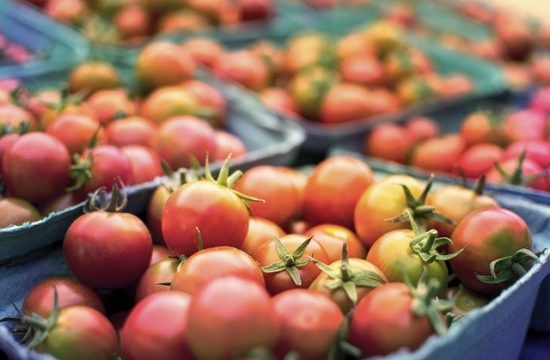
According to recent studies, diets rich in vegetables and fruits are linked with lower body mass index (BMI) and reduced risk of obesity-related diseases. Incorporating seasonal produce from local markets not only enhances flavor but also ensures nutrient density.
For practical application, start your day with a colorful vegetable omelet or a fruit smoothie. Replace processed snacks with raw nuts or sliced vegetables. This simple swap can make a significant difference over time in your mediterranean diet weight loss journey.
Practical Tips for Buyers
Plan your meals around fresh produce. Make grocery shopping a weekly ritual where you focus on the perimeter of storesâwhere fresh foods are usually located. This strategy helps you avoid processed foods lurking in aisles. In 2025, utilizing local farmers’ markets is also a sustainable way to access high-quality, seasonal ingredients.
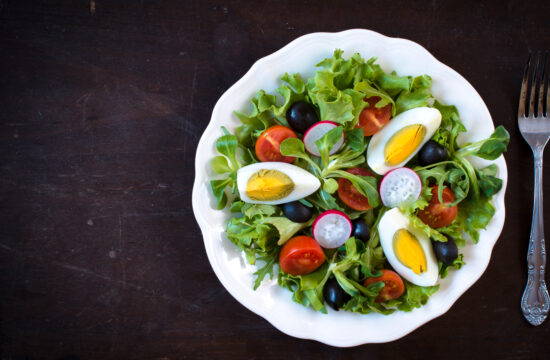
Meal prepping with chopped vegetables and fruits allows for quick, healthy options. Also, experiment with new recipes that highlight produce, like Mediterranean salads or veggie-packed grain bowls.
Tip: Use vibrant, colorful ingredients for visual appeal and increased nutrient intake. Colorful plates are often more satisfying and less calorie-dense.
2. Prioritize Healthy Fats Like Olive Oil
The Role of Monounsaturated Fats
One of the key features of the mediterranean diet weight loss is the emphasis on healthy fats, especially extra virgin olive oil. In 2025, ongoing research continues to validate that monounsaturated fats support heart health and weight regulation. Olive oil provides essential fatty acids that help you feel full longer, reducing overeating.
Using olive oil as your primary cooking fat not only enhances flavor but also adds antioxidants like polyphenols. These compounds have anti-inflammatory properties and promote overall well-being.
Incorporate olive oil into salads, drizzling it over roasted vegetables, or using it as a dip for whole-grain bread. Remember, moderation is key; a tablespoon per meal is sufficient for benefits without overdoing calories.
Additional Healthy Fat Sources
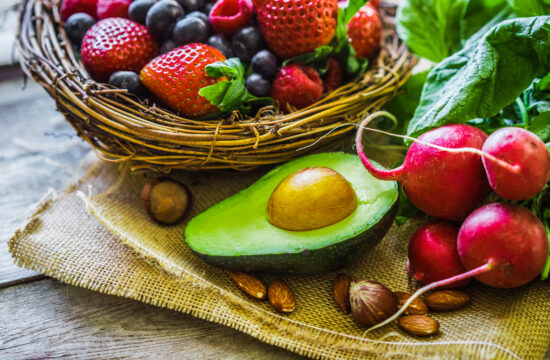
Beyond olive oil, include nuts, seeds, and fatty fish such as salmon or mackerel in your diet. These foods are rich in omega-3 fatty acids which can further boost your metabolism and aid in fat loss.
Research in 2025 indicates that balanced fat intake, combined with controlled carbohydrates and protein, optimizes weight loss efforts on the Mediterranean plan.
Tip: Swap butter or margarine with olive oil for a heart-healthy change that supports sustainable weight loss.
3. Incorporate Lean Proteins and Legumes
Healthy Protein Choices for 2025
In integrating the mediterranean diet weight loss, lean proteins come prominently into play. Fish, chicken, turkey, and plant-based sources like lentils and chickpeas are cornerstone options. They provide satiety, support muscle preservation, and are lower in saturated fats.
Modern research suggests that plant-based proteins are especially beneficial, as they come with fiber and antioxidants that promote overall health and weight control. Legumes, in particular, have been shown to improve gut health, which is linked to better weight management.
For example, replacing red meat with fish two or three times a week can markedly enhance your weight loss results in 2025 while aligning with the Mediterranean dietary philosophy.
Practical Meal Ideas
Create dishes like grilled salmon with roasted vegetables or chickpea salads with olive oil and herbs. Use beans in soups or as a side dish. Such choices keep meals satisfying without excessive calories.
Track your intake with a simple food journal or app to ensure balanced portions. Incorporating varied healthy proteins prevents boredom and supports adherence to your weight loss plan.
Remember, consistency in choosing lean proteins is pivotal to achieving long-term success in the mediterranean diet weight loss journey.
4. Practice Mindful Eating and Portion Control
The Psychology of Eating in 2025
Mindful eating has become a cornerstone for sustainable mediterranean diet weight loss. Paying close attention to hunger cues, eating slowly, and savoring each bite helps prevent overeating. In our fast-paced world, cultivating awareness is more important than ever in 2025.
Studies show that mindful eaters tend to consume fewer calories and make better food choices. This awareness also helps break emotional eating patterns, which can sabotage weight loss efforts.
Begin by setting your plate without distractions, chewing thoroughly, and stopping when you feel comfortably full. Tracking your meals can help reinforce this habit over time.
Portion Tips for Success
Using smaller plates and bowls can visually cue you to eat less, supporting your weight loss. Itâs also beneficial to pre-portion snacks and meals instead of eating straight from packages.
For example, serve a half-cup of cooked grains or proteinâmeasures that align with your dietary goalsâso youâre not tempted to overconsume. Pairing protein and fiber-rich vegetables in your plate enhances satiety and keeps mediterranean diet weight loss on track.
Remember, consistency and patience are keyâsmall, mindful changes lead to big results over time.
5. Limit Red Meat and Processed Foods
Why Reducing Red Meat Matters
In 2025, experts emphasize decreasing red meat intake to support mediterranean diet weight loss and overall health. Red meats are higher in saturated fats and have been linked to increased cardiovascular risk when consumed excessively.
Replacing red meat with fish, poultry, or plant-based options not only helps reduce calorie and fat intake but also aligns with traditional Mediterranean eating habits.
Set weekly limits for red meat and focus on incorporating more legumes, vegetables, and whole grains, which provide fiber and essential nutrients essential for weight management.
Processed Foods and Hidden Calories
Processed foods are often loaded with added sugars, unhealthy fats, and sodium. Eliminating or reducing these items in 2025 can lead to better weight loss outcomes.
Cooking from scratch using fresh ingredients enables better control over what goes into your meals. Focus on simple, authentic Mediterranean recipes that celebrate wholesome ingredients.
Avoid snacks like chips, pastries, and processed meatsâsubstituting them with nuts, fruits, or Greek yogurt supports your mediterranean diet weight loss goals.
6. Increase Physical Activity and Movement
Exercise Tips for 2025
Complementing your diet with regular physical activity is essential for mediterranean diet weight loss. In 2025, integrating movement routines like brisk walking, cycling, or swimming can accelerate fat loss and improve overall health.
Consistency is keyâaim for at least 150 minutes of moderate exercise per week, as recommended by health authorities. Find activities you enjoy to stay motivated over the long term.
Combine aerobic exercises with strength training to preserve lean muscle mass, which is vital for increasing metabolism and burning calories efficiently.
Support Your Weight Loss Goals
Huge Discount on the Best Certified Organic Nutrient Dense Supplement!

Simple Daily Habits to Stay Active
Incorporate small movements throughout the dayâtake stairs instead of elevators, walk during breaks, or do stretching routines at your desk. These cumulative efforts support your weight loss goals on the Mediterranean plan.
Joining local fitness groups or classes can also enhance accountability and make physical activity more enjoyable.
Remember, staying active not only aids in burning calories but also boosts mood and reduces stress, which are crucial factors in sustainable mediterranean diet weight loss.
7. Focus on Hydration with Water and Herbal Teas
The Importance of Staying Hydrated
Water is essential for weight loss, and in 2025, many experts are highlighting its role in supporting the mediterranean diet weight loss. Adequate hydration aids digestion, reduces hunger, and can even boost your metabolism.
Instead of sugary drinks or sodas, opt for plain water, sparkling water with lemon, or unsweetened herbal teas. These choices help maintain hydration without calories.
Start your day with a glass of warm water with lemon to kickstart your digestion. Carry a reusable water bottle to ensure you meet your daily intake goals.
Smart Hydration Strategies
Set reminders to drink water regularly, especially during physical activity or hot weather. Incorporate hydrating foods like cucumbers, tomatoes, and watermelon into your meals.
In 2025, some new hydration tracking apps and gadgets can help you monitor fluid intake effectively, supporting your weight loss journey.
Remember: Proper hydration enhances all aspects of your health and amplifies the benefits of your Mediterranean dietary lifestyle.
8. Manage Stress for Better Weight Loss Results
The Stress-Weight Gain Connection
Chronic stress can sabotage your mediterranean diet weight loss efforts by increasing cortisol levels, which promote abdominal fat storage. In 2025, mindful stress management techniques are more vital than ever.
Practicing techniques like meditation, yoga, or deep breathing exercises can help lower stress hormones and improve overall well-being.
Investing in hobbies, social activities, or simple relaxation routines can also create a mental buffer against daily stressors, making it easier to stick to your health goals.
Building a Relaxation Routine
Set aside time daily for mindfulness or leisure activities that promote calmness. Incorporate natural elements like aromatherapy or calming music.
Proper sleep hygiene is also critical. Aim for 7-9 hours of quality sleep each night, as lack of sleep is linked to weight gain and cravings.
Healthy stress management not only helps control weight but also enhances your overall quality of life on your mediterranean diet weight loss plan.
9. Monitor Progress and Set Realistic Goals
Tracking Your Achievements
In 2025, leveraging technology like fitness apps or wearables makes tracking your mediterranean diet weight loss progress more accurate and motivating. Keeping a record helps you stay accountable and identify areas for improvement.
Set small, achievable goals monthly to maintain motivation and celebrate milestones. Whether it’s losing 5 pounds or consistently cooking Mediterranean meals, recognizing progress keeps you inspired.
Regularly reviewing your progress allows adjustments to be madeâlike tweaking portion sizes or trying new recipesâto ensure steady results.
Creating a Sustainable Lifestyle
Weight loss isnât just about quick fixes but building long-term habits. Focus on understanding your bodyâs signals and maintaining a balanced approach that is enjoyable and realistic.
Involve family or friends for support, and perhaps join online communities centered around Mediterranean living. Shared experiences often boost adherence and motivation.
Ultimately, tracking and setting goals keep your mediterranean diet weight loss efforts aligned with your health and longevity in 2025.
10. Stay Consistent and Patient for Long-term Success
The Power of Consistency
The final but most crucial strategy is consistency. The mediterranean diet weight loss journey in 2025 requires patience and persistence. Small daily decisions compound into significant results over time.
Embrace the lifestyle change rather than looking for quick fixes. Consistency in healthy habitsâfrom eating quality foods to staying activeâbuilds a sustainable foundation for weight management.
Remember, setbacks are normal. What matters is your willingness to keep going and adapt as needed. Persistence often outperforms quick, unsustainable diets.
Developing a Long-term Mindset
Commit to lifelong healthy habits inspired by the Mediterranean way of eating. Over time, these behaviors become second nature and lead to enduring weight management and better health.
Stay inspired by reading success stories, adjusting routines, and celebrating your progress. Maintaining a positive outlook fuels continued effort.
In 2025, the key to effective mediterranean diet weight loss is consistency combined with patience and self-compassion.
Frequently Asked Questions
1. What is the best way to start the mediterranean diet for weight loss?
Begin by replacing processed foods with fresh vegetables, fruits, and healthy fats like olive oil. Focus on gradual changes and plan meals ahead of time.
2. How long does it take to see results with mediterranean diet weight loss?
Most people notice initial changes within 2-4 weeks. However, sustainable weight loss typically occurs over several months, depending on individual factors.
3. Can I include wine in my mediterranean diet for weight loss?
Moderate wine consumption (one glass daily) can be part of the Mediterranean diet, but it should be consumed responsibly and not interfere with your overall calorie goals.
4. Is the mediterranean diet effective for long-term weight management?
Yes, the mediterranean dietâs emphasis on whole foods, healthy fats, and balanced eating habits makes it highly effective for maintaining weight in the long run.
5. How does the mediterranean diet support overall health beyond weight loss?
It reduces the risk of heart disease, diabetes, and certain cancers due to its nutrient-rich foods, healthy fats, and anti-inflammatory components.