
Need a Strong Nutrition Boost for Your Diet? Take a Look...
- 1. Incorporate More Whole Foods
- 2. Choose Unsweetened Beverages
- 3. Opt for Natural Sweeteners
- 4. Read Food Labels Carefully
- 5. Snack on Nuts and Seeds
- 6. Prepare Meals at Home
- 7. Embrace Fresh Fruits in Moderation
- 8. Use Spices and Herbs for Flavor
- 9. Limit Processed and Packaged Foods
- 10. Practice Gradual Sugar Reduction
Embarking on a low sugar diet in 2025 is one of the best choices you can make for your health. Whether you’re aiming to lose weight, boost your energy, or prevent chronic illnesses, implementing smart low sugar diet ideas can set you on the right path. In this comprehensive guide, Iâll share 10 effective strategies that are easy to adopt and sustainable. By understanding how to reduce sugar intake without sacrificing flavor, you’ll feel better and enjoy meals more deeply. Let’s begin!
1. Incorporate More Whole Foods
Choosing Whole, Unprocessed Foods
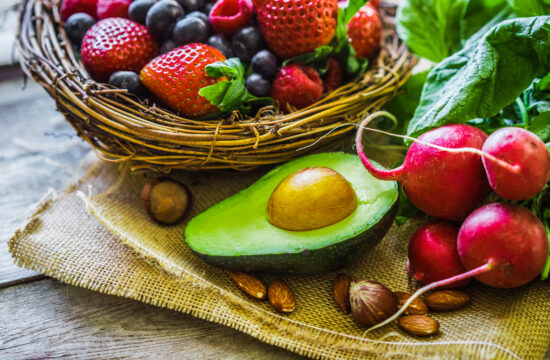
One of the most foundational low sugar diet ideas is prioritizing whole foods such as vegetables, fruits, lean proteins, and whole grains. These items contain natural nutrients and fiber that help regulate blood sugar levels. For example, swapping refined grains for brown rice or oats boosts your fiber intake and reduces sugar spikes.
Unprocessed foods also donât have added sugars or hidden sweeteners, making it easier to control your intake. When grocery shopping, focus on fresh produce, nuts, seeds, and unprocessed meats. This simple change can dramatically decrease your daily added sugar consumption.
According to recent studies in 2025, diets rich in whole foods are linked to better metabolic health and lower risk of diabetes. Incorporating more whole foods is a timeless low sugar diet idea that benefits overall wellness.
Meal Planning with Whole Foods
Planning your meals ahead can help you stick to a low sugar lifestyle. Prepare weekly menus that emphasize whole foodsâthink roasted vegetables, grilled chicken, and quinoa salads. Cooking at home allows you to control ingredients and avoid added sugars found in many takeout options.
Tip: Keep a shopping list that emphasizes whole, natural ingredients. Read labels even when buying packaged products to ensure they donât contain hidden sugars. This approach ensures your meals are both nutritious and aligned with your health goals.
2. Choose Unsweetened Beverages
Switching to Unsweetened Drinks
Many beverages, from coffee to flavored waters, contain added sugars that sabotage a low sugar diet. In 2025, itâs crucial to choose unsweetened options like black coffee, herbal teas, or plain sparkling water. These drinks hydrate you without unnecessary sugar calories.
Replacing sweetened drinks with unsweetened alternatives can save hundreds of sugar grams weekly. If you crave a hint of flavor, add slices of lemon, cucumber, or fresh herbs. This method enhances your drinks naturally, supporting your goal to reduce added sugars.
Research indicates that reducing sugary beverage intake is one of the most impactful factors in lowering overall sugar consumption and improving health outcomes.
Practical Tips for Beverage Choices
Read labels carefully; many flavored waters and bottled teas contain added sugars. Also, consider making your own infusions at homeâit’s easy, cost-effective, and flavorful.
Gradually cut back on daily soda or sweetened coffee drinks, and replace them with plain options. Over time, your taste buds will adjust, and you’ll enjoy less sugary drinks naturally.
3. Opt for Natural Sweeteners
Understanding Natural Sweeteners
When you need to sweeten your foods without added sugars, natural sweeteners like stevia, monk fruit, or erythritol are excellent options. These alternatives provide sweetness without spiking blood sugar levels, making them suitable for a low sugar diet.
In 2025, many health-conscious consumers are turning to these plant-derived sweeteners. They are generally safe and can be used in baking, drinks, and even smoothies. Just remember to use them in moderation and choose high-quality, minimally processed products.
Not all artificial or heavily processed sweeteners are beneficial, so always research and opt for natural options that align with health goals.
Using Natural Sweeteners in Recipes
Experiment with natural sweeteners by reducing the added sugar in your recipes gradually. For example, swap out sugar with stevia in baked goods or sprinkle monk fruit sweetener on oatmeal. Over time, this can satisfy your sweet tooth while keeping sugar intake low.
Tip: Read product labels carefully, as some natural sweeteners are blended with added chemicals or fillers. Opt for pure extracts or powders to maximize health benefits.
4. Read Food Labels Carefully
Deciphering Sugar Content
In 2025, reading food labels is an essential habit for anyone following low sugar diet ideas. Food products often hide added sugars under various names like high-fructose corn syrup, cane sugar, dextrose, and coconut sugar. Learning to identify these helps you make smarter choices.
Check the nutrition facts panel and ingredient listâif sugar (or any of its aliases) appears early in the list, itâs best to avoid or consume sparingly. Aim for products with less than 5 grams of sugar per serving for a true low sugar option.
Being label-savvy will empower you to select foods that support your health goals without unintended sugar intake.
Tips for Effective Label Reading
- Compare similar products to find lower-sugar options.
- Be cautious of âhealthierâ or âlow-fatâ tagged items which often contain added sugars.
- Use smartphone apps that scan barcodes for detailed nutritional info and sugar content.
5. Snack on Nuts and Seeds
Healthy, Low Sugar Snacks
Nuts and seeds are among my favorite low sugar diet ideas. They are naturally low in sugar, rich in healthy fats, fiber, and protein, which helps keep blood sugar steady and curbs cravings.
For a quick snack, grab a handful of almonds, walnuts, chia seeds, or pumpkin seeds. These options are satisfying and versatileâadd them to yogurt, salads, or enjoy them plain.
Studies in 2025 highlight that incorporating nuts and seeds is linked to decreased risk of metabolic syndrome, making them a smart choice in your low sugar lifestyle.
Smart Snacking Tips
Avoid roasted or flavored nuts that may contain added sugars or unhealthy oils. Instead, opt for raw or dry-roasted varieties. Prepare small portable containers for your busy days so youâre always prepared with a healthy, low sugar snack.
This simple habit reduces the temptation to reach for high-sugar processed snacks and supports sustained energy levels throughout the day.
6. Prepare Meals at Home
The Benefits of Home Cooking
One of the most impactful low sugar diet ideas is cooking meals at home. Restaurant and takeout foods often contain hidden sugars in sauces, marinades, and processed ingredients. Preparing your own meals gives you complete control over what goes into your food.
Support Your Weight Loss Goals
Huge Discount on the Best Certified Organic Nutrient Dense Supplement!

Start with simple recipes that emphasize fresh ingredients and minimal added sugars. Use herbs, spices, and natural flavors to enhance taste without resorting to sugary sauces or condiments.
According to 2025 health statistics, home cooking is strongly associated with healthier eating patterns and lower sugar intake.
Meal Prep Strategies
Dedicate a few hours each week to batch cooking and portioning out meals. This saves time, reduces impulsive eating, and ensures you always have healthy, low sugar options available. Use glass containers to store pre-packed meals and snacks for easy access.
Experiment with flavor combinations that rely on acidity, umami, and herbsâthese can make your meals flavorful without sugar.
7. Embrace Fresh Fruits in Moderation
Choosing the Right Fruits
While fruits are natural sources of sugar, theyâre also packed with fiber, vitamins, and antioxidants. The key is moderation and selecting lower-sugar options like berries, green apples, and citrus fruits. These satisfy your sweet cravings healthily.
In 2025, many nutrition experts recommend limiting fruit intake to 1-2 servings per day when following a strict low sugar diet, especially if you are sensitive to sugar spikes. Pair fruits with healthy fats or proteins to further stabilize blood sugar levels.
Bananas and grapes, for example, are higher in sugar and should be eaten in smaller quantities, whereas strawberries and blueberries are more forgiving and versatile.
Creative Fruit Incorporations
Use fresh fruit to flavor water, add to salads, or top yogurt for a natural sweet boost. Dried fruits should be avoided or consumed sparingly, as they concentrate sugars.
By moderating your fruit intake and choosing wisely, you can enjoy the sweetness of nature without compromising your low sugar goals.
8. Use Spices and Herbs for Flavor
Enhancing Taste Naturally
Spices and herbs are your secret weapon in the quest for delicious, low sugar meals. Cinnamon, vanilla, ginger, and turmeric add depth and sweetness without any added sugars. They can transform plain dishes into flavorful delights.
For example, adding cinnamon to oatmeal or yogurt provides a sweet flavor naturally, reducing your need for added sweeteners. Spice blends can elevate soups, stir-fries, and salads, making them more appealing.
In 2025, incorporating herbs and spices is trending among health-conscious eaters seeking to improve flavor naturally while maintaining low sugar intake.
Practical Applications
- Experiment with spice-infused olive oils for dressings.
- Add fresh herbs like basil, mint, or cilantro to brighten dishes.
- Try spice mixes without added sugars for marinades and rubs.
9. Limit Processed and Packaged Foods
Why Cut Down on Processed Foods
Processed foods are often loaded with added sugars, preservatives, and artificial ingredients that undermine your low sugar goals. In 2025, a conscious effort to reduce intake of these items is vital for better health.
Focus on whole, minimally processed foods like fresh produce, homemade snacks, and unprocessed meats. Check ingredient lists carefullyâif it contains sugar, avoid or limit consumption.
Reducing processed foods not only lowers sugar intake but also decreases consumption of unhealthy fats and chemicals, supporting overall wellness.
Healthy Substitutions
Replace processed snacks with homemade versions or simple raw nuts and fruits. Choose plain versions of dairy, snacks, and cerealsâadd your own healthy toppings or flavorings.
This mindful approach in 2025 can significantly improve your health and help you maintain a low sugar diet long-term.
10. Practice Gradual Sugar Reduction
Building Sustainable Habits
The most effective low sugar diet ideas involve gradual change. In 2025, sudden drastic reductions can feel overwhelming and hard to sustain. Instead, aim to cut back sugar slowlyâreduce your regular sugar intake by 10-15% weekly.
This approach allows your taste buds to adapt, and over time, you’re less likely to crave sweet flavors. Replace sugar in coffee, desserts, and snacks step-by-step, and celebrate small victories.
Research supports that sustainable changes are more effective long-term compared to extreme restrictions that often lead to setbacks.
Tips for Long-term Success
- Keep a journal of your sugar reduction progress.
- Find healthier alternatives for your favorite sweets.
- Enlist support from friends or health professionals for motivation.
FAQ: Frequently Asked Questions
Q1: What are some easy low sugar diet ideas for beginners?
Start by swapping sugary drinks for water or herbal teas, reading labels carefully, and increasing your intake of whole, unprocessed foods. Small, consistent changes make a big difference over time.
Q2: How can I reduce my sugar cravings in 2025?
Eating balanced meals with protein and healthy fats helps stabilize blood sugar and reduces cravings. Using natural sweeteners and spices to satisfy your sweet tooth also works well. Stay hydrated and get enough sleep to support healthy eating habits.
Q3: What are the best low sugar snacks for work or on the go?
Nuts, seeds, fresh berries, and cut vegetables are excellent options. Prepare small containers ahead of time to avoid reaching for processed snacks full of added sugars.
Q4: Why is a low sugar diet important for health in 2025?
High sugar intake is linked to increased risk of obesity, diabetes, cardiovascular disease, and other health issues. Adopting low sugar diet ideas in 2025 can help prevent these conditions and promote better overall wellness.
Conclusion
In summary, exploring and implementing these 10 effective low sugar diet ideas can significantly improve your health in 2025. From controlling cravings with natural sweeteners to reading labels diligently, each tip supports a sustainable and enjoyable approach to reducing sugar intake. Remember, small gradual changes lead to lasting habits. Stay committed, and your body will thank you for it!
Huge Discount on the Best Certified Organic Nutrient Dense Supplement!