
Need a Strong Nutrition Boost for Your Diet? Take a Look...
- 1. Start with High-Protein, Low-Calorie Foods
- 2. Incorporate Fresh Fruits for Natural Sweetness
- 3. Choose Whole Grains Over Refined Carbs
- 4. Opt for Healthy Fats in Moderation
- 5. Control Portion Sizes for Calorie Management
- 6. Use Low-Calorie Sweeteners Sparingly
- 7. Hydrate with Water or Herbal Teas
- 8. Prepare Breakfast in Advance for Consistency
- 9. Limit Processed and Packaged Foods
- 10. Incorporate Vegetables for Volume and Nutrition
1. Start with High-Protein, Low-Calorie Foods
Boost Satiety with Lean Proteins
Beginning your day with high-protein, low-calorie foods is one of the most effective low calorie breakfast tips to promote fullness and reduce snacking later. Foods like egg whites, Greek yogurt, or lean turkey slices provide essential amino acids without extra calories. For instance, a cup of Greek yogurt contains about 100 calories but offers over 15 grams of protein, making it a smart choice for a low-calorie breakfast that keeps you satisfied.
Protein not only helps with satiety but also supports muscle maintenance and boosts metabolism. According to recent research in 2025, individuals who include adequate protein in their breakfasts tend to eat fewer calories throughout the day. This means choosing options like cottage cheese or seafood can make your breakfast both nutritious and calorie-conscious.
Practical tip: Prepare egg-white omelets or make overnight oats with protein powder a night before. These options are quick, portable, and align well with low calorie breakfast tips for busy mornings.
Include Plant-Based Proteins for Variety
Adding plant-based proteins such as beans, lentils, or tofu can diversify your low-calorie breakfast options. For example, a small serving of black beans with some salsa and whole-grain toast can provide fiber and protein with minimal calories. These choices are also excellent for vegetarians or anyone looking to reduce meat consumption.
Research shows that plant proteins are generally lower in calories with added benefits like fiber, which aids digestion and prolongs satiety. Incorporating them into your breakfast boosts overall nutrient intake while supporting weight management goals in 2025.
Tip to try: Celebrate Meatless Mondays by having tofu scramble with vegetables or add chickpeas to your smoothie for added texture and nutrients.
2. Incorporate Fresh Fruits for Natural Sweetness
Choose Low-Calorie Fruits
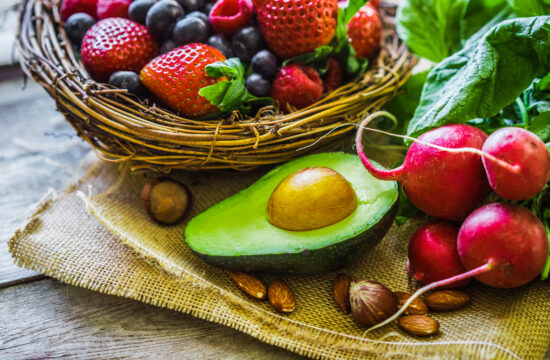
Fresh fruits are among the most flavorful low calorie breakfast tips because they satisfy sweet cravings without excess calories. Berries, melons, and kiwis are among the lowest-calorie options, averaging 30-50 calories per serving. For example, a handful of strawberries or blueberries can add natural sweetness and antioxidants to your meal.
Adding fruits to your morning meal also boosts fiber intake, which is crucial for digestion and controlling appetite. Current trends in 2025 emphasize the importance of antioxidant-rich foods, and fruits are a fantastic source for that purpose.
Smart idea: Layer your fruits into Greek yogurt or blend them into smoothies for a versatile, vitamin-packed breakfast.
Pair Fruits with Protein for Balance
Combining fruits with protein sources creates a balanced, low-calorie breakfast that sustains your energy levels. For instance, pairing apple slices with almond butter or berries with cottage cheese offers flavor and nourishment without overloading on calories. The key is moderationâsmall portions can keep calorie counts in check while maximizing taste and health benefits.
Additionally, fruits provide natural sweetness that can curb sugar cravings later in the day, making them an essential component of effective low calorie breakfast tips.
Conclusion: Remember, making fruits a daily staple in your morning routine aligns perfectly with your 2025 health goals.
3. Choose Whole Grains Over Refined Carbs
Fiber-Rich Whole Grains for Better Satiety
Switching to whole grains is a foundational low calorie breakfast tip because it increases fiber intake, which helps control hunger and reduces calorie absorption. Items like oats, whole wheat bread, and quinoa are excellent choices. For example, steel-cut oats contain about 150 calories per serving but provide complex carbohydrates and soluble fiber that keep you full longer.
In 2025, dietary guidelines continue to emphasize whole grains as essential for weight management and metabolic health. They stabilize blood sugar levels and support digestive health, making them a smart addition to your breakfast routine.
Recipe idea: Make overnight oats or multigrain toast with avocado and tomato for a nutritious start thatâs high in fiber and low in refined carbs.
Replace Processed Cereals with Whole Grain Options
If you enjoy cereal, opt for unprocessed or minimally processed options like rolled oats or bran flakes rather than sugary, processed cereals. These choices have fewer calories and less added sugar, which is critical for maintaining a low calorie diet in 2025.
By choosing whole grains, you avoid empty calories and support steady energy release. It’s a simple change that has a significant impact on long-term health.
Tip: Read labels carefullyâlook for whole grain as the first ingredient and minimal added sugars.
4. Opt for Healthy Fats in Moderation
Include Omega-3s and Monounsaturated Fats
Healthy fats are an important part of a balanced low-calorie breakfast, providing flavor and essential fatty acids without excess calories. Foods like avocados, nuts in small portions, and seeds are excellent sources. A quarter of an avocado has about 80 calories but adds healthy monounsaturated fats that promote heart health.
In 2025, the focus on omega-3 fatty acids continues to grow, as they have proven benefits for cognitive and cardiovascular health. Incorporate a small handful of walnuts or chia seeds into your morning meal for an extra nutrient boost.
Practical tip: Use avocado slices in a whole-grain toast or sprinkle flaxseeds over your yogurt to add healthy fats without tipping the calorie scale.
Manage Portions to Keep Calories in Check
While healthy fats are beneficial, they are calorie-dense. Controlling portion sizes is key. For example, sticking to a tablespoon of oil or nuts ensures you get the benefits without overdoing calories. An awareness of serving sizes is one of the most practical low calorie breakfast tips for maintaining a weight-conscious diet.
Use small bowls, measure ingredients, and be mindful of portion sizes to stay within your calorie target while still enjoying flavorful, healthy fats.
Remember: moderation is the cornerstone of effective low calorie breakfast tips that last.
5. Control Portion Sizes for Calorie Management
Use Smaller Plates and Bowls
Portion control is vital when aiming for low calorie breakfasts. Using smaller dishes tricks your brain into feeling satisfied with less food. Itâs a simple yet effective tip for 2025 dieting routines. For instance, a half-cup of oatmeal looks substantial on a small bowl and keeps your calorie count in check.
Keep measuring cups and a food scale handy to be precise, especially when tracking calories via apps or journals. This discipline helps prevent overeating and ensures you stick to your goals.
Tip: Prepare your breakfast in advance and portion it into containers for easy, controlled servings during busy mornings.
Plan and Pre-portion Your Breakfast
Pre-portion your breakfast ingredients to avoid impulsive overeating. For example, measure out one serving of granola or fruit and keep it ready. This habit reduces unnecessary calorie intake and saves time.
In 2025, many nutrition experts advocate for mindful eating, emphasizing the importance of awareness around serve sizes.
Implementation: Keep a dedicated breakfast section in your meal prep area, making healthy low calorie tips easier to follow every day.
Support Your Weight Loss Goals
Huge Discount on the Best Certified Organic Nutrient Dense Supplement!

6. Use Low-Calorie Sweeteners Sparingly
Sweet Without the Calories
When you need a touch of sweetness, opt for low-calorie sweeteners like stevia or erythritol. They allow you to indulge your sweet tooth without adding calories, making them a popular low calorie breakfast tip for 2025.
For example, add a few drops of stevia to your oatmeal or coffee. They are calorie-free alternatives to sugar and help maintain blood sugar stability.
Caution: While low-calorie sweeteners are safe for most people, moderation is key to avoid potential digestive issues or artificial dependency.
Creative Uses in Breakfast Recipes
You can also incorporate low-calorie sweeteners into homemade yogurt or smoothies. Blending berries with a splash of stevia results in a delicious, satisfying drink with minimal calories.
Tip: Experiment with natural flavors like cinnamon or vanilla to enhance sweetness without added sugars, aligning with low calorie breakfast tips for 2025 health-conscious consumers.
7. Hydrate with Water or Herbal Teas
Stay Hydrated for Better Appetite Control
Hydration is often overlooked in breakfast routines, yet itâs a critical aspect of low calorie breakfast tips. Drinking water or herbal teas before or during your meal can help you feel full and prevent overeating.
Studies in 2025 reveal that individuals who consume a glass of water before meals tend to consume fewer calories overall. Herbal teasâlike peppermint, chamomile, or gingerâadd flavor without calories and can improve digestion.
Advice: Keep a glass of water or a hot herbal tea cup nearby and sip gradually to start your day consciously and healthfully.
Replacing Sugary Drinks
Avoid sugary caffeine beverages, as they add calories and sugar spikes. Instead, choose unsweetened drinks or infuse your water with slices of lemon or cucumber for flavor.
Simple, effective low calorie breakfast tips revolve around conscious hydration habits, supporting your entire dayâs caloric intake.
8. Prepare Breakfast in Advance for Consistency
Meal Prep Saves Time and Calories
Prepping your breakfast the night before is one of my favorite low calorie breakfast tips because it simplifies healthy choices. Youâll be less likely to reach for high-calorie, processed options in the morning rush.
Consider overnight oats, pre-chopped fruits, or boiled eggs ready in the fridge. These quick, nutritious options make maintaining your low-calorie goals easier and more sustainable.
In 2025, meal prep remains a cornerstone of effective weight management and healthy living, offering convenience without sacrificing quality.
Batch Cooking Recipes
Batch cooking healthy breakfast items on weekendsâlike egg muffins, vegetable frittatas, or chia puddingâprovides a variety of options for the week ahead. Portion everything into containers for grab-and-go convenience.
This approach ensures you stick to low calorie breakfast tips, avoids impulsive eating, and supports your overall health goal.
9. Limit Processed and Packaged Foods
Choose Whole, Fresh Foods
One of the most important low calorie breakfast tips is to focus on whole, minimally processed foods. Packaged cereals, pastries, and breakfast bars often contain hidden sugars and unhealthy fats, hindering your calorie control efforts.
Fresh, homemade optionsâlike oatmeal with nuts and fruit or veggie omeletsâare better for maintaining a low-calorie intake while providing higher nutritional value.
Research in 2025 consistently shows that diets high in whole foods contribute to better weight management and overall health.
Read Labels Carefully
If you need to buy packaged items, scrutinize labels for added sugars, trans fats, and calorie count. Aim for products with minimal ingredients and no artificial additives.
Making informed choices is crucial when following low calorie breakfast tips, ensuring your diet remains balanced and healthful.
10. Incorporate Vegetables for Volume and Nutrition
Fill Up with Low-Calorie Veggies
Adding vegetables like spinach, peppers, or cucumbers to your breakfast increases volume without many calories. For example, vegetable-packed omelets or smoothies with greens are satisfying and nutrient-dense.
Vegetables also support digestion and help regulate appetite, key factors in effective low calorie breakfast tips for 2025 weight management.
Creative idea: Toss shredded zucchini or carrots into your pancake batter, or include sliced cucumbers and tomatoes in your breakfast platter for freshness and fiber.
Enhance Flavor and Texture
Use herbs and spices to make vegetable-inclusive breakfasts more appealing. Fresh basil, parsley, or chili flakes can elevate simple dishes and make low-calorie meals more exciting.
Remember, incorporating vegetables is not only a low calorie breakfast tip but also a sustainable habit that benefits your overall health long-term.
Frequently Asked Questions
1. What are the best low calorie breakfast tips for 2025?
The best low calorie breakfast tips in 2025 include focusing on high-protein options, incorporating fresh fruits and vegetables, selecting whole grains, controlling portion sizes, and staying hydrated. These strategies help manage calorie intake while maintaining nutrition and satiety.
2. How can I make my breakfast more filling but low in calories?
Including lean proteins, fiber-rich foods, and healthy fats in moderation can make your breakfast filling without excessive calories. Combining these with water or herbal teas enhances fullness and promotes healthy digestion.
3. Are low-calorie sweeteners safe for breakfast?
Yes, low-calorie sweeteners like stevia and erythritol are generally safe for most people when used in moderation. They allow you to enjoy sweet flavors without adding calories, aligning with low calorie breakfast tips.
4. How important is meal prep for maintaining a low-calorie diet?
Meal prep is very important as it ensures you have healthy, portion-controlled options readily available, reducing the temptation for high-calorie, processed foods. It simplifies adherence to low calorie breakfast tips and supports long-term weight management goals.
Conclusion
Implementing these 10 effective low calorie breakfast tips can truly transform your mornings in 2025. From choosing nutrient-dense foods to controlling portion sizes and preparing meals in advance, these strategies help you start your day on a healthy note. Remember, consistent effort with low calorie breakfast tips can lead to sustainable weight management, improved energy, and overall well-being. Embrace these practical tips to ensure your mornings set the tone for a healthier, happier day!
Huge Discount on the Best Certified Organic Nutrient Dense Supplement!