
Need a Strong Nutrition Boost for Your Diet? Take a Look...
- 1. Set Achievable and Specific Goals
- 2. Develop a Sustainable Eating Plan
- 3. Focus on Nutrient-Dense Foods
- 4. Track Your Progress and Make Adjustments
- 5. Maintain Motivation and Positive Mindset
- 6. Manage Cravings and Temptations Effectively
- 7. Seek Support and Accountability
1. Set Achievable and Specific Goals
Understanding the Importance of Realistic Goals
When learning how to stay on a diet, starting with realistic and specific goals is crucial. Many people jump into dieting with lofty ambitions, like losing 20 pounds in a month, which often leads to frustration or burnout. Instead, focus on manageable targets, such as losing 1-2 pounds per week. According to recent studies in 2025, sustainable weight loss is linked to steady, gradual progress rather than rapid, unsustainable changes. Setting SMART goals (Specific, Measurable, Achievable, Relevant, Time-bound) helps structure your journey effectively.
By establishing clear objectives that are within your reach, you create a positive feedback loop. Small wins build confidence, making it easier to stay motivated and committed. For example, instead of eliminating entire food groups, aim to incorporate more vegetables into your meals over the week. This approach reduces feelings of deprivation, which is a common barrier to how to stay on a diet.
Remember, consistency beats perfection. If youâre wondering how to stay on a diet long-term, focus on achievable goals that can evolve as you progress. This strategy prevents discouragement and promotes a healthier relationship with food and your body.
Practical Tips for Setting Goals
- Write down your health and weight goals clearly.
- Break large goals into smaller, monthly milestones.
- Celebrate small successes to stay motivated.
- Adjust goals as you learn what works best for your body.
2. Develop a Sustainable Eating Plan
Designing a Flexible and Enjoyable Meal Plan
One of the most effective ways how to stay on a diet in 2025 is to craft a meal plan that is sustainable and enjoyable. Rigid diets are often unsustainable because they restrict foods you love, leading to cravings and eventual binges. Instead, aim for a balanced plan that includes all food groups in moderation. Incorporate variety to keep meals interesting and prevent boredom, which is a common reason people abandon their diets.
For example, instead of cutting carbs entirely, choose whole grains like brown rice or quinoa, combined with lean proteins and healthy fats. This not only supports your nutritional needs but also keeps you satisfied longer. Remember, sustainable dieting isnât about deprivation but about making smarter, healthier choices most of the time.
Meal prepping can be a game-changer, saving you time and reducing impulsive eating. Plan your week ahead, bulk cook healthy meals, and have snacks prepared to avoid reaching for processed or fast foods when hunger strikes. Adapting your eating habits gradually makes the process more natural and less stressful.
Tips for Maintaining Your Meal Planning Routine
- Meal prep on weekends or evenings to ensure readiness.
- Use apps or journals to keep track of your meals.
- Be flexibleâallow yourself occasional treats to prevent feeling restricted.
3. Focus on Nutrient-Dense Foods
Why Nutrient Density Matters
Learning how to stay on a diet effectively involves prioritizing foods rich in nutrients. Nutrient-dense foods provide essential vitamins, minerals, fiber, and antioxidants without excess calories. Incorporating such foods into your daily meals helps regulate hunger, boost energy, and support overall health.
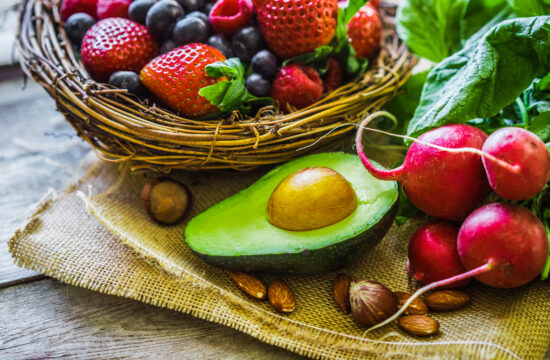
Examples include leafy greens, berries, nuts, seeds, lean meats, fish, and legumes. These foods help you feel full longer, reducing overeating and cravings. As research in 2025 continues to support, diets emphasizing nutrient density lead to better weight management and improved metabolic health, a vital component of long-term success.
Focusing on nutrient-dense options also means you can indulge in larger portions without derailing your progress. For instance, a large salad with various vegetables is more filling and nutritious than a small portion of fried snack foods. This shift in food quality empowers you to stay on track more easily.
Practical Ways to Incorporate Nutrient-Dense Foods
- Add veggies to every meal, even breakfast.
- Choose whole, minimally processed foods whenever possible.
- Read nutrition labels to identify high nutrient-to-calorie ratios.
4. Track Your Progress and Make Adjustments
The Power of Monitoring in Staying on a Diet
Tracking your progress is a vital step in understanding how to stay on a diet. Regularly measuring weight, or better yet, body measurements and how your clothes fit, provides concrete evidence of your progress. Use apps, journals, or photos to maintain visual motivation and identify patterns.
Monitoring also helps identify plateaus or setbacks early, enabling you to make necessary adjustments. For example, if weight loss plateaus after a few weeks, you might need to tweak your calorie intake or increase activity levels. As many diet experts agree in 2025, flexibility and adaptive strategies are key to sustainable success.
Make your tracking process simple and non-judgmental. Focus on consistency rather than perfection, and celebrate small milestones to stay motivated on how to stay on a diet.
Adjusting Your Strategies Effectively
- Review your food diary weekly to spot habits and challenges.
- Adjust portion sizes or food choices based on progress.
- Seek guidance from a dietitian or health professional if needed.
5. Maintain Motivation and Positive Mindset
Staying Motivated Over Time
How to stay on a diet requires more than discipline; it calls for consistent motivation. Finding your ‘why’âwhether itâs to improve health, increase confidence, or support a future goalâprovides purpose. Regularly remind yourself of these reasons, especially during challenging days.
Celebrate non-scale victories too, like increased energy levels, improved sleep, or fitting into your favorite clothes. Maintaining a positive mindset helps you navigate setbacks without feeling defeated.
Support Your Weight Loss Goals
Huge Discount on the Best Certified Organic Nutrient Dense Supplement!

In 2025, mental health plays a significant role in diet success. Incorporating mindfulness and self-compassion into your routine reduces guilt associated with slip-ups and fosters resilience.
Building a Motivational Routine
- Create a vision board or journal to visualize your goals.
- Connect with supportive communities or online groups.
- Reward yourself with healthy treats or experiences after reaching milestones.
6. Manage Cravings and Temptations Effectively
Understanding and Controlling Cravings
Cravings can derail your efforts unless you learn how to manage them. Typically, cravings are triggered by emotional states, stress, or specific environmental cues. Knowing how to handle cravings is essential when considering how to stay on a diet in 2025.
Strategies such as swapping unhealthy snacks for healthier options, staying hydrated, and practicing mindful eating can significantly reduce the intensity of cravings. For instance, in moments of urge, a glass of water or a quick walk can distract and reset your mindset.
Research indicates that disruptive cravings are often linked to nutrient deficiencies or emotional needs. Addressing these root causes can decrease the frequency and strength of cravings over time.
Practical Tips for Temptation Management
- Keep tempting foods out of sight or avoid keeping them at home.
- Eat balanced meals to prevent extreme hunger that leads to impulsive eating.
- Use distraction techniques like hobbies or social activities.
7. Seek Support and Accountability
The Role of Support Systems
Support from friends, family, or fitness communities plays a vital role in how to stay on a diet. When others understand your goals, they can encourage you during tough times and celebrate your successes. Sharing your progress and challenges keeps you accountable and motivated.
Joining a local or online group dedicated to health and wellness can provide encouragement, tips, and camaraderie. Social support often increases adherence and helps create a sense of shared purpose.
Investing in professional guidance, such as a dietitian or health coach, offers personalized strategies and boosts your confidence in staying on track in 2025.
Strategies for Maintaining Accountability
- Set regular check-ins or progress updates with a buddy or coach.
- Use apps that share your achievements with friends or groups.
- Reflect weekly on your journey and plan adjustments.
Conclusion
Mastering how to stay on a diet is a multifaceted process that involves setting realistic goals, creating a sustainable plan, focusing on nutrient-dense foods, tracking progress, maintaining motivation, managing cravings, and seeking support. By applying these seven strategies, you set yourself up for success in 2025 and beyond. Remember, long-term success isnât about perfection, but consistent effort, positive mindset, and healthy habits. Stay committed, stay flexible, and enjoy the journey to a healthier you.
Frequently Asked Questions
1. How can I stay motivated to stick with my diet?
Find your personal reasons for dieting, celebrate small victories, and seek support from friends or communities to keep motivation high.
2. What are some easy ways on how to stay on a diet when Iâm busy?
Meal prep in advance, keep healthy snacks accessible, and plan quick, nutritious recipes that save time but sustain you.
3. How do I handle cravings effectively?
Stay hydrated, eat balanced meals, and practice mindful eating to reduce the intensity of cravings and avoid impulsive decisions.
4. Why is tracking progress important in maintaining a diet?
Monitoring helps you see your achievements, identify plateaus, and make necessary adjustments, keeping you on course for your health goals.
5. How to stay on a diet when social gatherings involve unhealthy foods?
Plan ahead by eating beforehand, choose healthier options when possible, and practice moderation without guilt.
Huge Discount on the Best Certified Organic Nutrient Dense Supplement!