
Need a Strong Nutrition Boost for Your Diet? Take a Look...
- 1. Educate Yourself About the Carnivore Diet
- 2. Plan Your Transition Gradually
- 3. Stock Up on Ideal Carnivore-friendly Foods
- 4. Monitor Your Bodyâs Response
- 5. Stay Hydrated and Manage Electrolytes
- 6. Join Supportive Communities
- 7. Adjust and Optimize Your Diet Over Time
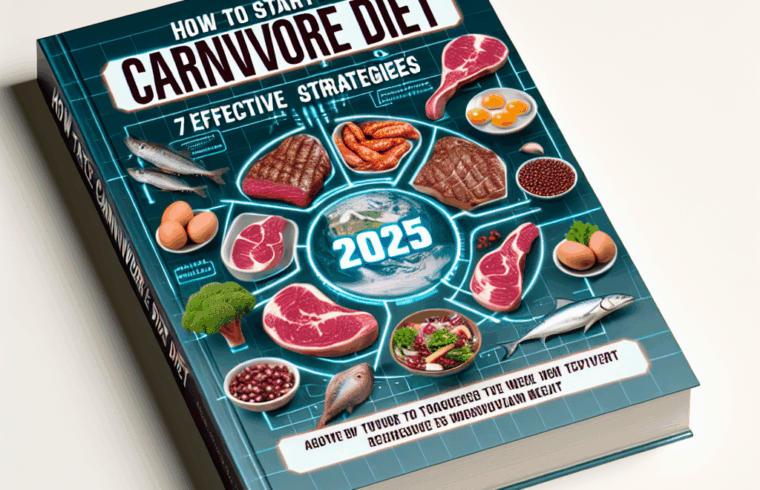
Starting the carnivore diet can be a transformative experience for those looking to improve their health, lose weight, or simply explore a new way of eating. If you’re wondering how to start the carnivore diet in 2025, you’re not alone. Many people are curious about this zero-carb approach, which emphasizes meat, fish, and animal products. In this guide, Iâll share 7 effective strategies to help you begin your carnivore journey with confidence and success, based on the latest trends and research for 2025.
1. Educate Yourself About the Carnivore Diet
Understanding the Basics of the Carnivore Diet
Before diving into the carnivore lifestyle, itâs crucial to fully understand what it entails. The diet focuses exclusively on animal-based foods like beef, pork, lamb, fish, eggs, and dairy (if tolerated). Unlike keto or paleo, it eliminates all plant foods, aiming to reduce inflammation and improve metabolic health.
In 2025, research shows that many adherents report benefits such as increased mental clarity, weight loss, and reduced cravings. However, every person is different, and some individuals may experience side effects initially. Educating yourself helps set realistic expectations and prepares you for a sustainable transition.
Start by reviewing reputable sources, such as nutritional research articles, expert blogs, and testimonials. Look for balanced insightsânot just opinionsâand consider consulting a healthcare professional if you have underlying health conditions.
Common Myths and Facts About the Carnivore Diet
There are many misconceptions about the carnivore diet, such as claims that itâs unsustainable or nutritionally incomplete. Itâs important to distinguish fact from fiction. Scientific studies from 2025 support the idea that animal-based diets can be nutritionally adequate if well-planned.
Understanding these facts helps you answer questions like, how to start the carnivore diet while minimizing confusion or fear. Know the potential benefits, risks, and necessary precautions for a successful experience.
2. Plan Your Transition Gradually
Why a Slow Transition Works Best
If youâre new to low-carb, high-meat diets, abrupt changes may cause digestive discomfort or fatigue. A gradual approach allows your body to adapt more smoothly. For example, start by replacing one meal per day with carnivore-style foods and increase over a few weeks.
This strategy also helps you observe how your body responds. Notice changes in energy, digestion, and mood. Over time, you can fine-tune your intake based on these observations.
In 2025, many experts recommend a phased approach to optimize results and reduce initial side effects, making it easier to sustain long-term.
Tips for a Successful Transition
- Start with familiar foods like eggs and beef before adding variety.
- Reduce processed foods and sugars progressively.
- Pay attention to your hunger and fullness cues during the transition.
Remember: patience is key. A gradual shift often results in better adherence and fewer challenges as you learn how to start the carnivore diet effectively.
3. Stock Up on Ideal Carnivore-Friendly Foods
Choosing High-Quality Meats
To succeed when you learn how to start the carnivore diet, sourcing quality meats is essential. Prioritize grass-fed beef, wild-caught fish, pasture-raised poultry, and organic eggs. These options tend to contain higher omega-3 fatty acids and fewer additives.
In 2025, consumers are increasingly aware of sustainability and health-conscious choices. Opting for high-quality, ethically sourced animal products supports both your health and ethical values.
Having a well-stocked fridge makes sticking to the diet easier and helps prevent cravings for non-compliant foods.
Additional Animal Products to Include
Consider including organs like liver and heart for extra nutrients, as they are nutrient-dense and support overall health. Butter and ghee are also good choices for added fat and flavor.
Some people incorporate dairy such as cheese or full-fat yogurt, but these depend on personal tolerance. Always source these from reputable suppliers to ensure purity and quality.
4. Monitor Your Bodyâs Response
Tracking Health Markers
As you begin how to start the carnivore diet, monitoring your bodyâs response is vital. Track your weight, energy levels, digestion, sleep quality, and mood. Some use apps or journals for consistency.
Regular blood tests in 2025 can help assess nutrient levels, inflammation markers, and cholesterol profiles. This data allows you to optimize your diet and avoid deficiencies or other issues.
Listening to your body and documenting changes can guide incremental adjustments, leading to better long-term success.
Signs Youâre Adapting Well
- Steady energy and mental clarity
- Improved digestion and reduced bloating
- Healthy weight management or fat loss
If you notice persistent fatigue, digestive upset, or other adverse effects, consider adjusting your food choices or consulting a healthcare provider.
Good HealthY DIETING Solution is Easier Than Most People Think!
Take a Look for Yourself!
5. Stay Hydrated and Manage Electrolytes
Importance of Hydration on Carnivore Diet
Dehydration is common early on when starting how to start the carnivore diet, as carbohydrate restriction leads to water loss. Drinking plenty of water helps prevent headaches, fatigue, and constipation.
In 2025, many experts recommend adding a pinch of salt to your water or consuming electrolyte supplements to restore mineral balance, particularly magnesium, potassium, and sodium.
This approach supports optimal muscle function, mental clarity, and overall well-being during your adaptation phase.
Managing Electrolyte Imbalances
Electrolyte imbalance can cause symptoms like cramping or dizziness. Incorporate bone broth or electrolyte powders if needed. Adjust your salt intake based on your activity level and climate conditions.
Part of learning how to start the carnivore diet involves paying attention to hydration cues and electrolyte needs, especially in hot or active months in 2025.
6. Join Supportive Communities
Finding Support Online and Locally
Embarking on any new diet can be challenging, and community support makes it easier. In 2025, numerous online forums, social media groups, and local meetups focus on the carnivore lifestyle. Sharing experiences, recipes, and tips can keep you motivated.
Look for credible groups moderated by experts, and donât hesitate to ask questions or seek advice from seasoned carnivores. Support systems also help you stay accountable and troubleshoot problems.
Many influencers and dieticians now promote evidence-based information, making the community a valuable resource for your journey.
Why Community Matters
- Provides encouragement during challenging phases
- Offers practical tips and recipes
- Helps you stay motivated and consistent
Joining communities is a key step in understanding how to start the carnivore diet with confidence and resilience in 2025.
7. Adjust and Optimize Your Diet Over Time
Listening to Your Body and Making Changes
What works for one person may not work for another. As you learn how to start the carnivore diet, recognize that dietary needs evolve. Some may want to incorporate some dairy or organ meats as they progress.
Use your bodyâs signals to guide modificationsâif you experience low energy or other symptoms, adjust your food choices or meal timing accordingly.
In 2025, advanced tracking tools enable precise adjustments, helping you achieve optimum health and performance on your carnivore journey.
Long-term Strategies for Success
- Rotate different types of meats for diverse nutrients
- Periodically fast or cycle your diet to enhance benefits
- Stay informed on the latest research and trends
Remember, developing flexibility and listening to your body are essential components of successfully learning how to start the carnivore diet and maintain it healthily over the long term.
Conclusion
Knowing how to start the carnivore diet confidently involves proper education, planning, sourcing quality foods, monitoring your body’s response, and engaging with a supportive community. In 2025, this approach continues to evolve, offering promising benefits for those committed to their health journey. By following these 7 strategies, youâre setting yourself up for a successful and sustainable carnivore lifestyle. Remember, patience and consistency are keyâyour body will thank you for making mindful choices on this transformative diet.
Frequently Asked Questions
1. How long does it take to see results when starting the carnivore diet?
Most people notice improvements in energy and digestion within the first few weeks. Significant weight loss or mental clarity benefits can take 4-8 weeks, depending on individual factors.
2. Is it safe to be on the carnivore diet long-term?
Research and anecdotal evidence in 2025 suggest that with proper planning and monitoring, it can be safe for many people. However, consulting with a healthcare professional before starting is recommended, especially for those with pre-existing conditions.
3. How to start the carnivore diet if I have dietary restrictions?
Many with allergies or intolerances adapt the diet by choosing specific meats or supplements to meet their needs. Personalization is key, and working with health providers can help craft a safe plan.
4. What are common challenges when starting the carnivore diet?
Initial issues may include cravings, digestive adjustments, or fatigue. Staying well-hydrated, managing electrolytes, and support from communities can help overcome these hurdles.
5. Can I incorporate some plant foods while learning how to start the carnivore diet?
Strictly speaking, the diet excludes plants, but some people choose a flexible approach during their transition. For best results, sticking to animal foods is recommended, especially in 2025 when research favors a more animal-centric diet.