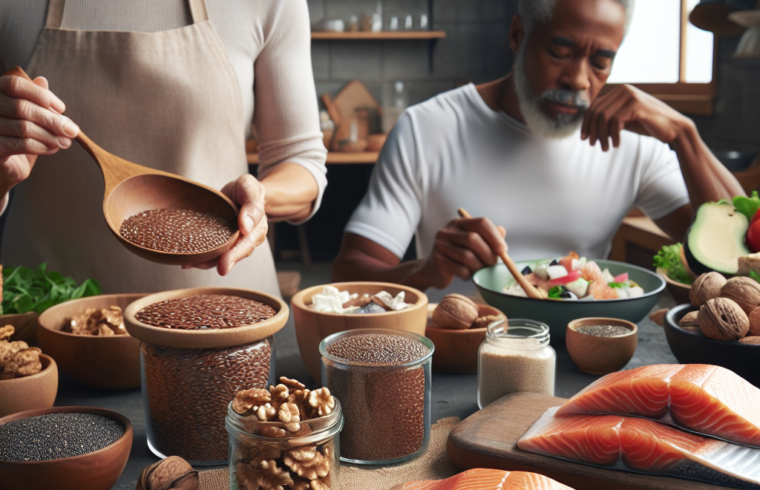
Need a Strong Nutrition Boost for Your Diet? Take a Look...
- Stay Hydrated with Water and Herbal Teas
- Monitor Sodium Intake
- Eat Fiber-Wise for Gut Health
- Avoid Carbonated Beverages
- Manage Stress Effectively
- Exercise Regularly
- Try Probiotics and Fermented Foods
- Limit Processed and Sugary Foods
- Identify Food Intolerances
- Consult Healthcare Professionals
1. Stay Hydrated with Water and Herbal Teas
Hydration is Key for Digestive Health
One of the most straightforward yet effective ways to learn how to reduce bloating is maintaining proper hydration. Water helps flush out excess sodium that can cause water retention, a common cause of bloating. Adequate hydration also supports the digestion process, preventing constipation, which often leads to bloating. In 2025, new research emphasizes drinking at least 8 glasses of water daily for optimal gut health.
If plain water feels monotonous, herbal teas like ginger or peppermint can be very soothing and digestive aids. These teas contain compounds that relax intestinal muscles and promote smooth digestion. Drinking warm liquids encourages better digestion and can soothe bloated stomachs quickly.
Practical Tips for Staying Hydrated
Set goals such as drinking a glass of water every hour and carrying a reusable bottle. Incorporating herbal teas into your daily routine not only boosts fluid intake but also offers additional digestive benefits. Just be cautious with caffeinated drinks, which may have a diuretic effect and could contribute to dehydration if consumed excessively.
In 2025, smart hydration strategies include using apps or reminders to ensure you’re drinking enough throughout the day. Remember, staying well-hydrated is a foundational step in learning how to reduce bloating naturally and effectively.
2. Monitor Sodium Intake
Why Too Much Salt Causes Bloating
Sodium causes the body to retain water, leading to the uncomfortable sensation of bloating. In fact, a high-sodium diet is one of the leading dietary contributors to water retention, especially in processed foods common in 2025. Cutting back on salt can make an immediate difference in how your stomach feels.
Tips to Reduce Sodium Consumption
Read food labels carefully and opt for low-sodium or no-added-salt versions. Cook meals at home using herbs and spices instead of salt to flavor your food. Fresh fruits, vegetables, and lean proteins naturally contain less sodium and are better for digestion.
Some foods, like canned soups and fast food, can contain unexpectedly high sodium levels. By moderating your salt intake, you can significantly decrease bloating and improve your overall gut health. In 2025, many consumers are now more aware of hidden sodium and actively choose fresh ingredients to combat bloating.
3. Eat Fiber-Wise for Gut Health
The Role of Fiber in Reducing Bloating
In 2025, understanding how to reduce bloating often involves improving gut motility. Dietary fiber helps regulate bowel movements and prevents constipation, a major cause of bloating. Soluble fiber dissolves in water and forms a gel-like substance that aids digestion, while insoluble fiber adds bulk to stool.
Tips for Increasing Fiber Intake
Add fruits like apples and berries, vegetables such as carrots and broccoli, and whole grains like oats and brown rice to your diet. Gradually increase fiber to avoid gas and bloating that can occur with sudden intake. Proper hydration enhances fiber’s effectiveness and helps prevent discomfort.
For personalized advice, consider keeping a food journal and consulting a dietitian. A high-fiber diet in 2025 is a proven, natural way to improve gut health and reduce bloating efficiently.
4. Avoid Carbonated Beverages
Carbonation and Bloating
Carbonated drinks like sodas and sparkling water are common culprits when it comes to bloating. The bubbles contain carbon dioxide, which can accumulate in your digestive system and cause trapped gas. This leads to a distended, uncomfortable stomach.
Healthier Alternatives
Switch to still water, herbal teas, or infused water with fruits and herbs for flavor. Not only do these options help prevent bloating, but they also provide additional nutrients. If you love fizzy drinks, try natural, non-carbonated alternatives in 2025, such as kombucha or sparkling water without added sugars.
Being mindful of your beverage choices is a simple but effective step in learning how to reduce bloating swiftly and naturally.
5. Manage Stress Effectively
Stress and Digestive Health
Stress can significantly impact your gut health, leading to issues like bloating, gas, and stomach discomfort. When stressed, the body releases hormones that slow digestion and increase gas production, worsening bloating symptoms.
Techniques for Stress Management
Practice mindfulness meditation, deep-breathing exercises, or yoga regularly. These methods relax your nervous system and improve digestion. In 2025, integrating mental health practices into daily routines is recommended to reduce physical symptoms like bloating.
Donât underestimate the power of a good walk outside or a hobby you enjoy. Reducing stress levels is a crucial component of knowing how to reduce bloating naturally and sustainably.
6. Exercise Regularly
Physical Activity Helps Move Gas Along
Regular exercise stimulates intestinal movements, helping to release gas and prevent bloating. Even a 20-minute walk can work wonders for digestion and alleviate bloated feelings.
Types of Effective Exercises
Consider activities like yoga, especially poses such as twists or the knee-to-chest stretch, which target the abdomen. Aerobic workouts, swimming, or cycling are also great options in 2025 for improving gut motility.
Support Your Weight Loss Goals
Huge Discount on the Best Certified Organic Nutrient Dense Supplement!

Make exercise a daily habit to help your body naturally eliminate excess gas and learn how to reduce bloating faster and more effectively through movement.
7. Try Probiotics and Fermented Foods
Enhancing Gut Flora to Reduce Bloating
Probiotics are beneficial bacteria that can improve your gut microbiome, leading to better digestion and less bloating. Fermented foods such as yogurt, kefir, sauerkraut, and kimchi are rich sources of probiotics.
Choosing the Right Supplements and Foods
Always read labels to ensure probiotic content and strains that support gut health. In 2025, personalized probiotic protocols are gaining popularity, tailored to individual microbiome profiles.
Incorporate a variety of fermented foods into your diet regularly to experience significant improvements in bloating and overall gastrointestinal health.
8. Limit Processed and Sugary Foods
Impact of Junk Food on Bloating
Processed foods and high sugar intake can disrupt gut bacteria and cause inflammation, leading to increased bloating. Many ready-made meals contain additives that inflame the digestive tract.
Healthy Swaps for Better Digestion
Choose whole, unprocessed foods whenever possible. Snack on nuts, seeds, and fresh fruits. Reducing sugar and processed ingredients is a practical way to learn how to reduce bloating and promote long-term gut health in 2025.
9. Identify Food Intolerances
Common Triggers for Bloating
Foods like dairy, gluten, and certain legumes can cause bloating if you’re intolerant or sensitive. Keeping a food diary can help identify patterns or triggers.
Testing and Elimination Diets
Consider consulting a healthcare professional for testing or trying an elimination diet to pinpoint specific intolerances. Once identified, avoiding these foods can drastically decrease instances of bloating.
By personalizing your diet, you enhance your ability to effectively learn how to reduce bloating in 2025.
10. Consult Healthcare Professionals
When to Seek Medical Advice
If bloating persists despite lifestyle changes, consult a healthcare provider. Underlying issues such as IBS, digestive disorders, or other conditions may require professional diagnosis.
Advanced Treatments and Personalized Plans
Modern treatments in 2025 include personalized gut health plans, medical tests, and possibly medications or supplements that target specific causes of bloating. This ensures safe and effective results tailored to your needs.
Knowing how to reduce bloating can sometimes require expert guidance, especially when symptoms are severe or chronic.
Frequently Asked Questions
Q1: What are the best natural remedies on how to reduce bloating?
Some of the best natural remedies include staying hydrated, avoiding carbonated drinks, eating fiber-rich foods, and practicing stress reduction techniques.
Q2: How long does it take to see results when trying to reduce bloating?
Results can vary depending on the cause, but many people notice improvements within a few days of dietary and lifestyle changes. Consistency is key.
Q3: Can probiotics help with bloating?
Yes, probiotics can help balance your gut bacteria, which is often effective in reducing bloating, especially if itâs related to dysbiosis.
Q4: How to reduce bloating caused by food intolerances?
The best approach is to identify and eliminate foods that trigger your symptoms, often through testing or an elimination diet guided by a healthcare provider.
Q5: Is bloating ever a sign of a serious condition?
While most bloating is harmless, persistent or severe bloating could indicate underlying health issues like IBS or other gastrointestinal conditions. Consult a doctor if symptoms worsen or don’t improve.
Conclusion
In 2025, mastering how to reduce bloating involves a combination of mindful dietary choices, lifestyle adjustments, and professional guidance when necessary. From staying well-hydrated and monitoring sodium intake to incorporating probiotics and managing stress, these practical tips can help you achieve quick and lasting relief. Remember, every person’s digestive system is unique, so finding what works best for you is essential. With consistency and the right strategies, you can significantly reduce bloating and improve your overall well-being this year and beyond.
Huge Discount on the Best Certified Organic Nutrient Dense Supplement!