
Need a Strong Nutrition Boost for Your Diet? Take a Look...
- 1. Prioritize Nutrient-Dense Ingredients
- 2. Incorporate Lean Proteins
- 3. Emphasize Whole Grains and Fiber
- 4. Control Portion Sizes
- 5. Use Healthy Cooking Methods
- 6. Plan for Variety and Flexibility
- 7. Leverage Technology and Meal Planning Apps
In 2025, learning how to plan diet-friendly dinners has become essential for maintaining a healthy lifestyle amid busy schedules and increasing health awareness. Planning nutritious dinners helps prevent overeating, supports weight management, and boosts overall wellness. This comprehensive guide shares the top 7 tips to help you master the art of healthy dinner planning, making it easier and more enjoyable than ever.
1. Prioritize Nutrient-Dense Ingredients
Selecting Vitamins and Minerals
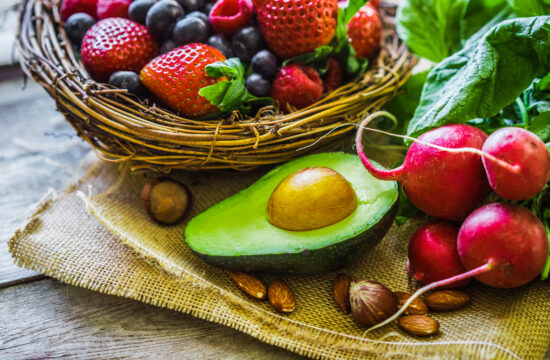
When figuring out how to plan diet-friendly dinners, choosing nutrient-dense ingredients is a game-changer. Fill your plate with colorful vegetables, fresh fruits, lean meats, and nuts. Such foods provide essential vitamins, minerals, and antioxidants necessary for your body to function optimally. For example, leafy greens like spinach and kale are packed with iron and calcium, while berries offer antioxidants that promote cell health.
Research shows that meals rich in nutrient-dense foods improve energy levels and immune function. In 2025, experimenting with new superfoods can diversify your dinner options and keep your meals exciting. Incorporate ingredients like quinoa, sweet potatoes, or seaweed for added nutritional benefits.
Remember, the goal is to maximize nutrient intake while controlling calories, aligning perfectly with your health goals. Planning dinners around these essentials ensures you’re nourishing your body with each meal.
Meal Composition Tips
Ensure each dinner includes a balance of macronutrients: protein, carbs, and healthy fats. A typical plate might include grilled chicken (protein), roasted vegetables (fiber and micronutrients), and a serving of brown rice or whole-grain pasta (complex carbs). This approach not only enhances the flavor but also keeps you full longer, preventing the temptation for unhealthy snacks later.
Experiment with seasonings and herbs to add flavor without extra calories or sodium. Lemon juice, garlic, turmeric, and fresh herbs can elevate simple ingredients to delicious, diet-friendly dinners. In 2025, leveraging local and seasonal produce ensures freshness and sustainability.
Implementing these nutrient-dense ingredients into your meal plan is a vital step towards mastering how to plan diet-friendly dinners.
2. Incorporate Lean Proteins
Choosing the Right Protein Sources
One of the cornerstone tips for how to plan diet-friendly dinners is selecting lean proteins. These include chicken breast, turkey, fish, legumes, and plant-based options like tofu or tempeh. Lean proteins are lower in saturated fats, helping you reduce cholesterol while providing essential amino acids.
In 2025, plant-based proteins are gaining popularity as sustainable and healthful choices. Incorporating beans, lentils, or edamame can diversify your protein sources and add dietary fiber. Fish like salmon or mackerel are rich in omega-3 fatty acids, supporting heart health.
Cooking methods matter tooâgrilling, baking, or steaming helps retain the health benefits without adding extra fats. Planning your dinners around lean proteins ensures you meet your protein needs without excess calorie intake.
Practical Protein Meal Ideas
For variety, plan meals such as grilled chicken with sautéed vegetables, baked fish with quinoa, or vegan lentil stew. Using marinades with citrus and herbs enhances flavor without excess salt or sugar.
Tracking your protein intake is essential, especially if you’re dieting or muscle-building. Apps in 2025 can help you monitor and optimize your protein sources, ensuring your dinners are nutritious and aligned with your goals.
This focus on lean proteins makes your diet-friendly dinners both satisfying and healthful.
3. Emphasize Whole Grains and Fiber
The Benefits of Whole Grains
Whole grains are a fundamental component of how to plan diet-friendly dinners. They provide complex carbohydrates, fiber, and essential nutrients that support digestion and sustained energy. Opt for brown rice, whole-wheat pasta, barley, or quinoa instead of refined grains.
Recent studies in 2025 indicate that diets rich in whole grains are linked to a reduced risk of heart disease, diabetes, and certain cancers. Including these in your dinners helps promote satiety, making it easier to manage portion sizes and calorie intake.
Introduce a variety of grains into your weekly meal rotation. For example, pair grilled vegetables with wild rice or include farro in grain salads. These choices ensure diversity and maximize health benefits.
Adding Fiber for Satiety and Digestion
Fiber-rich foods slow digestion, stabilize blood sugar, and keep you full longer. Incorporate beans, lentils, vegetables, and fruits in your dinners. For example, a chickpea and vegetable stir-fry can be both tasty and fiber-rich.
Balancing carbohydrates with fiber helps preserve your energy levels and supports digestive health. As fiber content in your diet increases, studies show improved weight managementâcrucial in 2025âs health-conscious climate.
Preparing meals with these whole grains and fibrous ingredients is an effective method for mastering how to plan diet-friendly dinners.
4. Control Portion Sizes
The Power of Proper Portioning
Understanding how to plan diet-friendly dinners involves more than just what you eatâportion control plays a vital role. Eating too much, even healthy foods, can hamper your weight management efforts. Use smaller plates, bowls, and serving utensils to naturally limit portions.
Make a habit of planning your meals ahead of time to avoid impulsive overeating. Pre-portion snacks and leftovers, so you always have a healthy, controlled option ready. In 2025, digital tools and smart kitchen devices can help you automatically measure and track your servings.
A balanced dinner plate consists of about 50% vegetables, 25% lean protein, and 25% whole grains, following dietary guidelines for optimal health.
Strategies for Managing Portions
Use measuring cups and food scales for accuracy during meal prep. Practice mindful eatingâslow down, chew thoroughly, and savor each bite. This technique assists in recognizing fullness cues and prevents overeating.
For restaurant-style dinners, adjusting portion sizes at home or sharing dishes can help maintain control. Learning to read nutrition labels also empowers you to choose appropriate servings.
Good HealthY DIETING Solution is Easier Than Most People Think!
Take a Look for Yourself!
Adopting these portion control strategies is crucial for effective how to plan diet-friendly dinners in 2025.
5. Use Healthy Cooking Methods
Cooking Techniques That Preserve Nutrients
In 2025, mastering how to plan diet-friendly dinners also means leveraging healthy cooking methods. Grilling, steaming, baking, and sautéing with minimal oil are excellent techniques to preserve food nutrients and keep calorie counts low.
Avoid deep-frying or heavy sauces that add unnecessary fats and sugars. Using herbs, spices, and lemon juice enhances flavor naturally, reducing reliance on salt and artificial flavorings.
Experiment with air fryers or pressure cookersâtheyâre trendy and efficient tools for preparing healthy meals quickly and easily.
Smart Kitchen Equipment for Healthy Dinners
Investing in modern appliances like immersion blenders, steamers, or non-stick cookware can make healthy cooking more accessible. These tools reduce the need for excess oil and keep dishes wholesome.
In 2025, meal prep technology and smart devices can help you set timers, monitor cooking temperatures, and track nutritional contentâsimplifying the process of planning diet-friendly dinners.
With the right techniques and equipment, you’ll confidently prepare delicious, nutritious dinners that align with your health goals.
6. Plan for Variety and Flexibility
Rotating Recipes and Seasonal Ingredients
An important part of how to plan diet-friendly dinners is integrating variety to prevent boredom and ensure a wide range of nutrients. Rotate between different protein sources, vegetables, and grains each week.
Use seasonal produce to take advantage of freshness, flavor, and cost savings. In 2025, subscribing to local farm boxes or shopping at farmersâ markets can offer inspiration for diverse meal ideas.
Flexibility in your meal plan allows you to adapt based on availability, preferences, or special occasions, making healthy eating sustainable long-term.
Meal Planning Tips for Flexibility
Create a flexible weekly dinner plan where you have staple recipes but leave room for improvisation. Keep a list of quick, healthy recipes handy for days when you’re short on time.
Batch cooking and freezing portions can help you accommodate unexpected plans or cravings without derailing your diet goals. This approach simplifies decision-making and ensures consistent healthy choices.
This strategy ensures your diet plan is sustainable and enjoyable in 2025 and beyond.
7. Leverage Technology and Meal Planning Apps
Modern Tools for Planning and Tracking
Technology is your ally in mastering how to plan diet-friendly dinners. Use meal planning apps to organize weekly menus, compare recipes, and create shopping lists. Many apps now incorporate nutritional data, allowing you to track calories and macro intake effortlessly.
In 2025, AI-powered apps can suggest personalized meal plans based on your preferences, dietary restrictions, and health goals. They can even suggest substitutions to ensure variety and nutritional balance.
Reliable apps also help you stay accountable, set reminders, and integrate with fitness trackers, supporting your overall health journey.
Optimizing Your Meal Prep with Technology
Technology-enabled meal prep can save time and reduce stress. Using smart kitchen gadgets, such as timer-controlled appliances or digital scales, helps prepare dinners precisely and efficiently.
Incorporate online grocery delivery services to ensure you always have fresh, healthy ingredients on hand, reducing impulse shopping and promoting consistent meal quality.
Integrating these tools into your routine is a smart way to streamline how to plan diet-friendly dinners in 2025.
Frequently Asked Questions (FAQ)
Q1: How can I start learning how to plan diet-friendly dinners?
Begin by identifying your dietary goals and preferred foods. Use meal planning tools or simple recipes, and gradually incorporate healthier ingredients. Consistency is keyâstart small and build up your skills over time.
Q2: What are some quick and easy diet-friendly dinner ideas for 2025?
Some popular options include grilled chicken with roasted vegetables, veggie stir-fries, salmon with quinoa, or lentil soups. These meals are nutritious, fast to prepare, and adaptable to various tastes.
Q3: How do I ensure variety in my diet-friendly dinners?
Rotate different proteins, grains, and vegetables weekly. Use seasonal produce and explore new recipes regularly. Proper meal planning helps you stay motivated and prevents dietary fatigue.
Q4: Why is controlling portion sizes crucial in planning diet-friendly dinners?
Portion control helps manage calorie intake and supports weight loss or maintenance. Using smaller plates, pre-portioning, and mindful eating are effective strategies to keep portions in check.
Conclusion
Mastering how to plan diet-friendly dinners in 2025 is all about strategic ingredient choices, portion control, cooking methods, and staying flexible. These tips empower you to create delicious, nutritious meals that align with your health goals, making healthy living sustainable and enjoyable. Whether you’re new to healthy eating or refining your routine, incorporating these strategies will set you up for success this year and beyond.