
It’s crucial to avoid extreme calorie restrictions, which can lead to fatigue and decreased energy. Instead, aim for a moderate calorie deficit by adjusting portion sizes and making healthier food swaps. Prioritizing hydration also plays a significant role in maintaining energy levels. Drinking enough water throughout the day can help prevent feelings of sluggishness and support overall bodily functions.
Understanding Nutrient Density
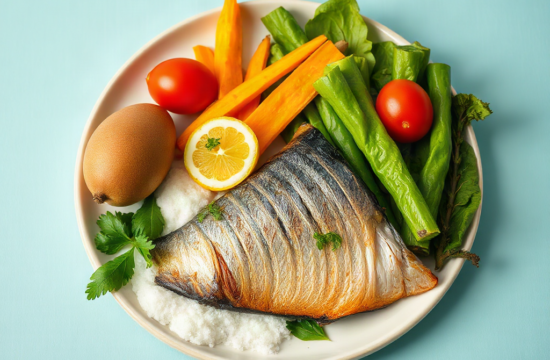
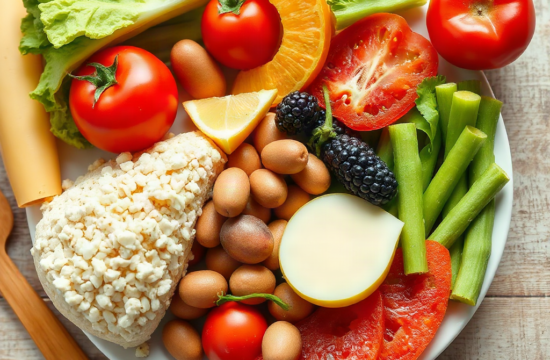
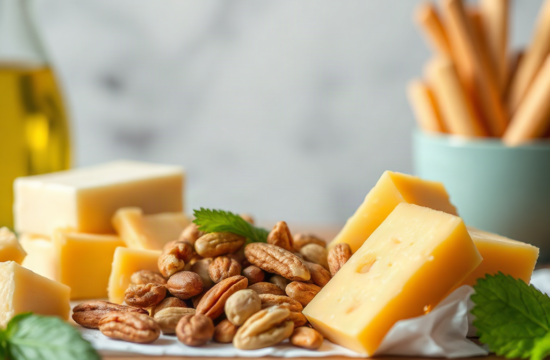
Nutrient-dense foods are those that provide a high amount of vitamins and minerals relative to their calorie count. Prioritizing these foods helps you feel full and satisfied while losing weight. Foods such as leafy greens, lean meats, legumes, nuts, and whole grains are excellent choices that support energy levels during weight loss.
Incorporating a variety of these foods into your meals ensures that you are not only cutting calories but also providing your body with the necessary nutrients it needs to function optimally. For example, replacing refined grains with whole grains can improve your energy levels and keep you feeling fuller for longer.
The Role of Exercise
Regular exercise is essential for losing weight without sacrificing energy. It helps maintain muscle mass, which is crucial for a healthy metabolism. Strength training, in particular, can be beneficial as it builds muscle, which burns more calories at rest compared to fat.
Incorporating both cardiovascular and strength training exercises into your routine will maximize fat loss while preserving energy levels. Aim for at least 150 minutes of moderate aerobic activity each week, along with two days of muscle-strengthening activities.
Hydration and Energy Levels
Staying properly hydrated is key to maintaining energy levels while losing weight. Even mild dehydration can lead to fatigue and decreased physical performance. Aim to drink at least 8-10 cups of water daily, and consider increasing your intake during workouts or hot weather.
In addition to plain water, consuming foods with high water content, such as fruits and vegetables, can also contribute to your hydration needs while providing essential nutrients. This helps ensure you have the energy necessary for daily activities and workouts.
Common Mistakes to Avoid
One common mistake people make when trying to lose weight is drastically cutting calories, which can lead to fatigue, muscle loss, and a slower metabolism. Instead, focus on creating a sustainable calorie deficit through balanced meals and regular exercise.
Support Your Weight Loss Goals
Huge Discount on the Best Certified Organic Nutrient Dense Supplement!
Additionally, neglecting the importance of sleep can hinder your weight loss efforts. Poor sleep can lead to increased cravings and decreased motivation to exercise, making it harder to achieve your goals. Aim for 7-9 hours of quality sleep each night to support your weight loss journey.
Further Reading
Authoritative Sources
- Nutritional Guidelines for Weight Loss
ncbi.nlm.nih.govThis resource provides evidence-based dietary recommendations for effective weight management
- CDC: Losing Weight
cdc.govThe CDC offers practical tips and strategies for healthy weight loss and maintenance
Frequently Asked Questions
What foods should I eat to lose weight without losing energy?
Focus on lean proteins, whole grains, healthy fats, fruits, and vegetables to maintain energy levels while losing weight.
How can exercise help with weight loss?
Exercise helps maintain muscle mass, boosts metabolism, and improves overall energy levels, making it easier to lose weight.
Is hydration important for weight loss?
Yes, staying hydrated helps maintain energy levels and can prevent fatigue, supporting your weight loss efforts.
What are common mistakes to avoid during weight loss?
Common mistakes include drastic calorie cutting and neglecting sleep, both of which can hinder energy levels and weight loss progress.
How much sleep do I need for effective weight loss?
Aim for 7-9 hours of quality sleep per night to support energy levels and overall weight loss success.
Conclusion
All in all, losing weight without losing energy is achievable through a balanced approach that includes nutrient-dense foods, regular exercise, proper hydration, and adequate sleep. Focus on sustainable changes rather than extreme diets to maintain your energy levels while effectively managing your weight. Prioritize your health by making informed decisions about your diet and lifestyle, and you’ll find success on your weight loss journey.
Support Your Weight Loss Goals
Huge Discount on the Best Certified Organic Nutrient Dense Supplement!
Related Content
- How to Lose Weight Without Feeling Deprived: Balanced Meal Plans and Satisfying Foods
- Mindful Eating: Transform Your Relationship with Food
- Why Sustainable Habits Are Better Than Quick Fixes: Long-Term Strategies for Lasting Change
- What Foods You Should Eat To Lose Weight
- 10 Effective Easy Keto Meals to Transform Your 2025 Diet