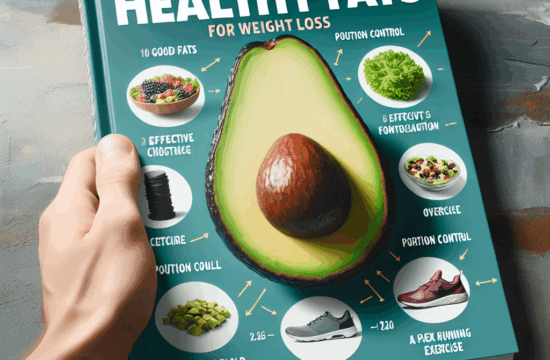

Embarking on a weight loss journey can be both exciting and daunting. With so many diets, supplements, and quick fixes promising rapid results, it’s vital to understand how to lose weight safely. Knowing the right approach not only ensures you attain your goals but also preserves your health in the process. How to Lose Weight Safely is a question that countless individuals ask, and the answer lies in evidence-based, sustainable strategies that prioritize well-being.
Need a Strong Nutrition Boost for Your Diet? Take a Look...
This article dives deep into proven methods for effective and healthy weight loss, emphasizing how to lose weight safely through balanced nutrition, physical activity, and mindset shifts. Whether you’re a beginner or someone looking to refine your approach, understanding How to Lose Weight Safely can make all the difference in achieving long-term success.
Understanding How to Lose Weight Safely
Before diving into specific tactics, it’s important to grasp the core concept of safe weight loss. Losing weight in a healthy manner involves more than just calorie reduction; it’s about creating a sustainable lifestyle that promotes balance and well-being. How to Lose Weight Safely entails a combination of proper nutrition, regular physical activity, adequate rest, and psychological resilience.
Research shows that rapid weight loss methods often lead to muscle loss, nutritional deficiencies, and a higher chance of weight regain. The key is to adopt gradual, consistent habits that support your body’s needs while steadily reducing excess fat. With this mindset, your journey becomes less stressful and more rewarding.
Fundamental Principles for Safe Weight Loss
Balanced Nutrition and Portion Control
One of the most critical aspects of How to Lose Weight Safely is maintaining a balanced diet. Focus on nutrient-dense foods that fuel your body without excess calories. Incorporate plenty of vegetables, lean proteins, whole grains, and healthy fats. Portion control ensures you don’t overconsume, even healthy foods.
For example, replacing processed snacks with fresh fruit or nuts can significantly impact your calorie intake. Additionally, mindful eating—paying attention to hunger cues and eating slowly—helps prevent overeating. This approach supports sustainable weight loss and a healthier relationship with food.
Regular Physical Activity
Exercise is indispensable in any weight loss plan. It not only burns calories but also boosts metabolism, preserves muscle mass, and improves overall health. For How to Lose Weight Safely, aim for a mix of cardio, strength training, and flexibility exercises.
- Cardio (walking, cycling, swimming) helps burn calories and improve cardiovascular health.
- Strength training (weights, resistance bands) builds muscle, which increases resting metabolic rate.
- Stretching and yoga enhance flexibility and reduce injury risk.
Consistency is key. Setting realistic goals—such as 150 minutes of moderate exercise per week—can produce significant results over time.
Sleep and Stress Management
Often overlooked, sleep quality and stress levels profoundly influence weight loss. Lack of sleep can increase hunger hormones, leading to overeating. Chronic stress elevates cortisol levels, which may promote fat storage, especially around the abdomen.
To support your How to Lose Weight Safely, prioritize good sleep hygiene—regular sleep schedules, limiting screen time before bed—and develop stress reduction techniques like meditation, deep breathing, or engaging hobbies.
Practical Steps to Achieve Your Goals
Step-by-Step Guide to Safe Weight Loss
- Set Realistic Goals: Aim for 1-2 pounds per week, which is considered safe and sustainable.
- Track Your Progress: Use a journal or app to monitor food intake, activity, and how you feel.
- Prioritize Nutrition: Focus on whole, unprocessed foods, and avoid fad diets that promise quick results.
- Incorporate Physical Activity: Find activities you enjoy—this increases adherence and makes the process enjoyable.
- Practice Mindfulness: Eat slowly, savor your meals, and pay attention to hunger and fullness cues.
- Stay Hydrated: Drinking plenty of water supports metabolism and curbs unnecessary cravings.
- Seek Support: Whether from friends, family, or professionals, social support enhances motivation.
Remember, consistency trumps perfection. If you’re wondering How to Lose Weight Safely, embracing a balanced approach over extreme measures yields long-term benefits.
Compare Short-Term and Long-Term Strategies
Many people fall into the trap of quick fixes, which often lead to disappointment and weight regain. In contrast, embracing sustainable habits—like meal planning, regular exercise, and stress management—ensures lasting results. For example, swapping crash diets for a lifelong commitment to nutritious eating is a smarter choice.
Common Mistakes to Avoid When Losing Weight
Overly Restrictive Diets
One of the biggest pitfalls in How to Lose Weight Safely is resorting to extreme dieting. Severely limiting calories or cutting entire food groups can lead to nutritional deficiencies and decreased metabolic rate. Instead, focus on moderation and variety.
Ignoring Physical and Mental Health
Weight loss isn’t just about calories. Neglecting mental health, sleep, or physical activity can sabotage efforts. For example, stress-induced overeating or skipping workouts due to fatigue can stall progress. Recognizing these factors and addressing them holistically is crucial for safe, effective weight loss.
Unrealistic Expectations
Expecting rapid results often leads to frustration. Remember, sustainable weight loss takes time. Celebrate small victories, stay patient, and trust the process. Understanding How to Lose Weight Safely involves setting achievable milestones and being kind to yourself along the way.
References and Resources
These resources provide valuable information about How to Lose Weight Safely. Check them out for additional insights:
Support Your Weight Loss Goals
Huge Discount on the Best Certified Organic Nutrient Dense Supplement!
Authoritative Sources on How to Lose Weight Safely
-
CDC – Healthy Weight
cdc.govProvides guidelines on safe weight loss practices and healthy lifestyle tips backed by scientific research.
-
Academy of Nutrition and Dietetics – Weight Loss
eatright.orgExpert-approved advice on balanced diets and sustainable weight management strategies.
-
NIH – Healthy Weight Loss
nih.govFeatures research-based insights into effective, safe weight loss methods and long-term health benefits.
-
WHO – Healthy Living
who.intInternational guidelines emphasizing balanced lifestyle habits for weight management and overall health.
-
Medical News Today – Safe Weight Loss Tips
medicalnewstoday.comSummarizes current research and practical advice on how to lose weight safely and effectively.
-
Healthline – How to Lose Weight
healthline.comProvides comprehensive guides on safe weight loss strategies, myths, and lifestyle tips.
-
WebMD – Diet & Weight Loss
webmd.comTrusted source for balanced diet plans, healthy weight loss tips, and expert reviews.
Frequently Asked Questions
How to Lose Weight Safely without losing muscle mass?
To lose weight safely while preserving muscle, focus on a moderate calorie deficit combined with strength training exercises. Eating sufficient protein (around 1.2-2.0 grams per kilogram of body weight) supports muscle retention during weight loss. Avoid crash diets, as rapid weight loss often leads to muscle loss instead of fat. Incorporate resistance training 2-3 times weekly and ensure your calorie reduction is gradual, about 500 calories per day. This balanced approach makes How to Lose Weight Safely achievable without sacrificing muscle mass.
What are the best foods for healthy weight loss?
Opt for whole, minimally processed foods like vegetables, fruits, lean proteins, whole grains, and healthy fats. These foods are nutrient-dense and help you stay full longer, reducing overeating. Foods rich in fiber (such as oats, beans, and berries) support digestion and satiety, aiding How to Lose Weight Safely. Incorporate sources of omega-3 fatty acids like salmon or flaxseeds for inflammation reduction and overall health. Avoid sugary drinks and highly processed snacks, which can sabotage your efforts.
Can I lose weight safely on a low-carb or keto diet?
Low-carb and keto diets can be effective for weight loss, but How to Lose Weight Safely involves ensuring nutritional balance. These diets restrict carbs significantly, which may lead to nutrient deficiencies if not carefully planned. It’s important to include plenty of non-starchy vegetables, healthy fats, and adequate protein. Consulting with a healthcare professional before starting such diets helps ensure that they are suitable for your individual health needs and long-term sustainability.
What role does sleep play in safe weight loss?
Sleep is a vital component of How to Lose Weight Safely. Poor sleep quality disrupts hormones like ghrelin and leptin, increasing hunger and cravings. It also hampers recovery and energy levels, making physical activity more difficult. Aim for 7-9 hours of quality sleep per night, maintain a consistent sleep schedule, and create a calming bedtime routine to support your weight loss efforts.
Conclusion
Achieving your weight loss goals safely requires a comprehensive approach that emphasizes health, sustainability, and patience. How to Lose Weight Safely is not about quick fixes or extreme measures but about cultivating habits that support your body and mind over the long term. By focusing on balanced nutrition, regular physical activity, quality sleep, and mindful practices, you set yourself up for enduring success.
Remember, the journey toward a healthier weight is unique for each individual. Stay informed, listen to your body, and seek support when needed. With consistency and a positive mindset, your goals are well within reach—safely and effectively.
Support Your Weight Loss Goals
Huge Discount on the Best Certified Organic Nutrient Dense Supplement!
Find out more information about “How to Lose Weight Safely”
Search for more resources and information: