Need a Strong Nutrition Boost for Your Diet? Take a Look...
- 1. Set Realistic Expectations and Goals
- 2. Nourish Your Body with Balanced Nutrition
- 3. Incorporate Structured Exercise Routines
- 4. Prioritize Sleep and Stress Management
- 5. Track Your Progress Consistently
- 6. Lean on Support Systems and Community
- 7. Apply Patience and Maintain a Positive Mindset
1. Set Realistic Expectations and Goals
Understanding Postpartum Changes
Many new moms wonder how to lose baby weight effectively, but understanding your body’s natural postpartum process is essential. In the first few months after birth, your body is healing, and weight loss may be gradual. Setting unrealistic goals can lead to frustration and disappointment. Instead, focus on small, achievable milestones, such as shedding a pound or two each month.
Research from the American Pregnancy Association suggests that most women can expect to lose about 1-2 pounds per week with proper lifestyle habits. Remember, every woman’s recovery and weight loss journey are unique. Patience and gentle progress are key when figuring out how to lose baby weight.
By embracing realistic expectations, you’ll reduce stress and stay motivated longer. Tracking your habits and celebrating small successes reinforce positive habits, paving the way for long-term results.
Creating SMART Goals
Specific, Measurable, Achievable, Relevant, and Time-bound goals (SMART) are incredibly helpful here. For example, aiming to lose 10 pounds over three months by exercising three times per week and eating more vegetables is a SMART goal. It frames your path clearly while aligning with your current lifestyle.
As you set your goals, consider your unique circumstancesâyour work schedule, toddler care, and energy levels. Flexibility is vital to prevent burnout. Regularly revisiting and adjusting your goals ensures they remain achievable and motivating.
Finishing with a positive mindset about your progress and recognizing every small win boosts your confidence in your journey on how to lose baby weight effectively in 2025.
2. Nourish Your Body with Balanced Nutrition
Understanding the Role of Nutrition
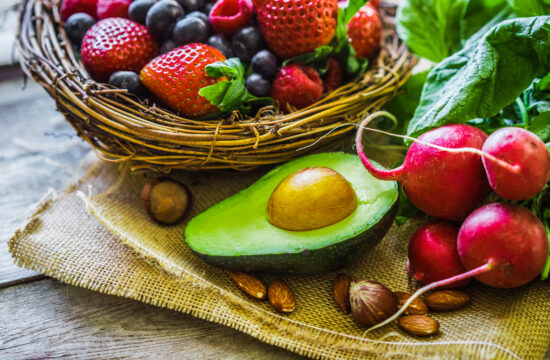
Proper nutrition is the foundation of any successful weight loss plan, especially when it comes to how to lose baby weight. Your body needs nutrients to recover from pregnancy, support milk production if breastfeeding, and shed excess weight. Focus on whole, nutrient-dense foodsâlike lean proteins, whole grains, healthy fats, and plenty of fruits and vegetables.
Research shows that women who follow balanced diets lose weight more sustainably and maintain better energy levels. Avoid crash diets or severely restrictive eating, which can harm your health and milk supply. Instead, aim for moderation and consistency.
Drinking enough water is also vital. Staying hydrated supports metabolism and helps curb overeating. A good rule of thumb is to drink at least 8-10 glasses daily, especially if breastfeeding.
Meal Planning Tips for New Moms
Meal planning saves time and reduces stress, making it easier to stick to healthy eating habits. Prepare simple, nutritious meals in advance or batch cook during weekends. Incorporate superfoods like berries, leafy greens, and nuts to boost your nutrient intake.
Never skip meals; instead, opt for regular, smaller portions to stabilize blood sugar and energy levels. Incorporate healthy snacks, such as yogurt, fruits, or nuts, to prevent hunger-induced overeating later in the day.
When learning how to lose baby weight, nutritious, satisfying meals are your best ally. Remember, nourishing your body is essential for recovery, milk production, and gradual weight loss in 2025.
3. Incorporate Structured Exercise Routines
Safe Postpartum Exercise Options
Integrating regular exercise is one of the most effective strategies on how to lose baby weight. Start with gentle activities, such as walking, pelvic floor exercises, and prenatal yoga, which are safe during the postpartum period. Always consult your healthcare provider before beginning any new workout routine postpartum.
As your strength improves, gradually increase the intensity. Incorporating cardio, strength training, and core exercises can accelerate weight loss and improve overall fitness. In 2025, innovative fitness apps and online classes make it easier than ever to find postpartum-safe workouts at home.
Consistency is key. Aim for at least 150 minutes of moderate exercise per week, as recommended by health authorities. This not only aids in burning calories but also boosts mood and energy levels.
Fun & Effective Workouts for Busy Moms
Moms often struggle with timeâso quick, efficient workouts are golden. High-Intensity Interval Training (HIIT) sessions, lasting just 20-30 minutes, can be very effective for burning fat and building stamina. Additionally, incorporating activities like dancing with your baby or stroller walks keeps things enjoyable.
Integrate strength-focused exercises twice weekly to increase muscle mass, which naturally burns more calories. Using resistance bands or household items as weights adds variety and convenience.
Remember, motivation is most high when exercises are fun and fit into daily routines. Staying active is an essential component of how to lose baby weight in 2025.
4. Prioritize Sleep and Stress Management
The Impact of Sleep on Weight Loss
Many new moms underestimate the power of sleep in their weight loss journey. Poor sleep disrupts hormones like ghrelin and leptin, which control hunger and satietyâleading to increased cravings and overeating. Studies in 2025 indicate that women who get adequate sleep have a faster rate of weight loss and better overall health.
While newborn schedules often mean broken sleep, prioritize naps when possible, and create a restful environment for quality sleep during main rest periods. Even short 20-minute naps can rejuvenate your body and help regulate appetite hormones.
Implement bedtime routines like dimming lights and avoiding screens at least an hour before sleep. Investing in comfortable bedding and managing noise levels also make a difference.
Stress Management Techniques
High stress levels trigger cortisol production, which can promote fat storage, particularly around the belly. As you navigate caring for a newborn, finding stress relief techniques like meditation, deep breathing, or light stretching is vital. Even 10-minute mindfulness sessions can help reset your mood and hormonal balance.
Engaging in social support groups or connecting with other moms also reduces feelings of isolation and stress. Remember, a calm, rested body is better equipped to handle weight loss.
In 2025, digital apps and online communities provide accessible tools for stress reduction, making it easier for busy moms to incorporate self-care into their routine.
Support Your Weight Loss Goals
Huge Discount on the Best Certified Organic Nutrient Dense Supplement!

5. Track Your Progress Consistently
Why Tracking Matters
Monitoring your progress is a powerful way to stay motivated and on track with learning how to lose baby weight. Whether through a journal, app, or photos, tracking your weight, measurements, or energy levels helps identify whatâs working and what needs adjustment.
Regular check-ins, ideally weekly, provide insight into your actual rate of progress rather than relying solely on the scales. Sometimes, inches lost or improved stamina are more telling of your overall health improvements.
Avoid obsessing over daily fluctuations; focus on long-term trends. Celebrate milestones, such as fitting into a favorite pair of jeans or increased daily activity levels.
Using Technology to Your Advantage
Apps designed for postpartum weight tracking often include features like meal logging, exercise schedules, and community supportâmaking it easier to stay accountable. Many integrate with wearable devices to monitor activity and sleep patterns seamlessly.
Setting reminders for workouts, hydration, and self-care encourages consistent habitsâall crucial for how to lose baby weight effectively in 2025. Data-driven insights help tailor your plan based on real results.
Remember, tracking isnât about perfection but about awareness and motivation on your weight loss journey.
6. Lean on Support Systems and Community
The Power of Support Networks
Support from family, friends, or fellow moms makes a significant difference in your postpartum weight loss journey. Sharing your goals and challenges helps keep you motivated and accountable. Being part of local or online parenting groups provides camaraderie and encouragement.
Many women find that working with a postpartum coach or joining a weight loss group tailored for new moms enhances their efforts. These communities share tips, celebrate wins, and provide empathy during setbacks.
Moreover, enlisting your partner or loved ones to join you in healthy activities fosters a team approach, making the process more enjoyable and sustainable.
Professional Guidance and Resources
If youâre unsure where to start, consulting a healthcare provider, dietitian, or postpartum physical therapist can provide personalized strategies. They help develop safe exercise routines and nutrition plans aligned with your recovery stage.
In 2025, virtual consultations and online programs make expert advice more accessible than ever, fitting seamlessly into busy schedules.
Remember, thinking how to lose baby weight involves building a support system that lifts you and keeps you motivated throughout your journey.
7. Apply Patience and Maintain a Positive Mindset
The Role of Patience in Weight Loss
Achieving your goal to learn how to lose baby weight is a process that requires patience. Postpartum bodies donât rebound overnight. Most women see noticeable changes within 6-12 monthsâsometimes longer. Patience prevents discouragement and helps sustain healthy habits.
Focus on non-scale victories too: improved energy, better sleep, increased strength, and confidence. These are impactful signs of progress that arenât always reflected in the numbers.
Remember, every small effort adds up. Consistency over perfection leads to lasting results.
Maintaining a Positive Outlook
Adopting an optimistic attitude boosts your motivation and reduces stress, making your weight loss journey more enjoyable. Practice self-compassion; your body has done incredible work during pregnancy and birth. Celebrate that achievement!
Surround yourself with encouraging influences, and avoid comparing your progress to others. Everyoneâs postpartum journey is unique. Embrace yours with kindness and persistence.
In 2025, mindfulness and positive psychology techniques are widely used to help moms stay focused and resilient as they learn how to lose baby weight healthily and happily.
Conclusion
Understanding how to lose baby weight in 2025 involves a holistic approach that combines setting realistic goals, nourishing your body, staying active, prioritizing sleep, tracking your progress, building support, and maintaining patience. Every step you take is a move toward regaining confidence and health. Remember, this journey is personal, and progress might be slow at timesâbut with consistent effort and self-love, you’ll reach your goals. Stay motivated, and celebrate every victory, big or small, as you move forward.
FAQs
1. How long does it typically take to lose baby weight postpartum?
On average, women may lose their baby weight within 6-12 months postpartum, but this varies based on individual factors and lifestyle habits.
2. Can I start exercising right after giving birth?
Most women can start gentle exercises such as walking or pelvic floor exercises after six weeks, but always consult your healthcare provider for personalized guidance.
3. How to lose baby weight while breastfeeding?
Breastfeeding can help burn extra calories, but itâs important to focus on balanced nutrition and avoid restrictive diets that might affect milk supply. Stay hydrated and eat nutrient-dense foods.
4. What are some practical tips for busy moms learning how to lose baby weight?
Prioritize short, high-intensity workouts, meal prep in advance, and enlist support from loved ones. Remember to be kind to yourself throughout the process.
5. Does sleep deprivation impact weight loss after pregnancy?
Yes, lack of sleep can disrupt hunger hormones and make it more difficult to lose weight. Aim for good sleep hygiene whenever possible to support your goals.
Huge Discount on the Best Certified Organic Nutrient Dense Supplement!