Crafting Your Path: A Step-by-Step Guide on How to Create a Diet That Works
Creating a personalized diet plan can feel overwhelming, especially with the myriad of options available today. The question on many people’s minds is: How to Create a Diet That Works? Understanding your unique health needs and preferences is the first step to developing a sustainable plan. This article aims to guide you through a comprehensive approach to crafting your diet while addressing the critical components that contribute to lasting success.
Need a Strong Nutrition Boost for Your Diet? Take a Look...
When figuring out how to create a diet that works, it’s essential to consider factors like your lifestyle, dietary preferences, and health conditions. The right diet is not merely about restriction; it’s about finding a balanced approach that suits your individual needs. This guide will outline actionable steps and insights to help you build a diet that not only works but thrives in your everyday life.
Understanding Your Dietary Needs
To embark on the journey of how to create a diet that works, the first step is to understand what your specific dietary needs are. This involves evaluating various aspects of your health and lifestyle, including:
Assessing Your Current Health Status
Before making any dietary changes, consider visiting a healthcare professional for a thorough health evaluation. They can help identify any underlying conditions, food allergies, or intolerances that may impact your diet.
Additionally, reflect on your current eating habits. Ask yourself the following questions:
– What does a typical day of eating look like for me?
– How do I feel after eating certain foods?
– Am I meeting my daily nutrient requirements?
Understanding these factors is crucial in paving the way for a personalized diet plan.
Identifying Your Dietary Preferences
Next, consider your personal preferences and lifestyle. A diet that feels like a chore is unlikely to be sustainable. Here are some key points to think about:
– Do you prefer cooking at home or eating out?
– Are there specific foods or cuisines you love?
– How much time can you dedicate to meal preparation?
By aligning your diet with your preferences, you’ll be more inclined to stick with it long-term.
How to Create a Diet That Works for You
Creating a diet that truly works for you involves a few essential steps. Here’s a structured approach to get you started:
Step 1: Set Clear Objectives
Begin by defining what success looks like for you. Are you aiming to lose weight, gain muscle, or simply eat healthier? Make sure your objectives are specific, measurable, achievable, relevant, and time-bound (SMART).
Step 2: Choose Your Food Groups
Incorporate a variety of food groups into your diet. Here’s a simple breakdown to consider:
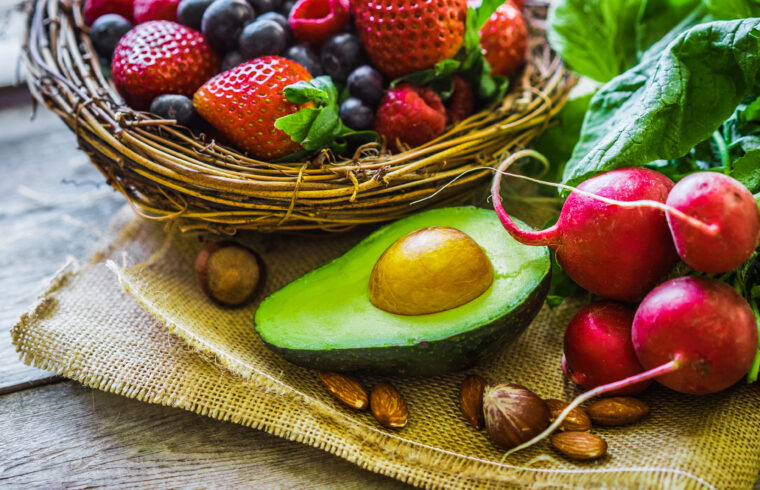
– Fruits and Vegetables: Aim for a colorful variety; they are rich in essential vitamins and minerals.
– Whole Grains: Opt for brown rice, quinoa, and whole-grain bread over refined grains.
– Lean Proteins: Include sources like chicken, fish, legumes, and tofu.
– Healthy Fats: Incorporate nuts, seeds, and avocados, which are beneficial for heart health.
By focusing on whole foods, you can easily tailor your diet to meet your specific needs.
Step 3: Meal Planning and Preparation
Once you have your food groups selected, it’s time to plan your meals. Consider these tips:
– Plan Weekly: Dedicate some time each week to plan your meals and grocery shopping list.
– Batch Cooking: Prepare larger portions of meals that can be easily reheated throughout the week.
– Healthy Snacks: Keep nutritious snacks on hand to avoid unhealthy choices when hunger strikes.
By being proactive in your meal planning, you’re more likely to adhere to your diet.
Setting Realistic Goals
When learning how to create a diet that works, it’s vital to set achievable goals. The following strategies can help you stay on track:
Small Changes Lead to Big Results
Instead of overhauling your entire diet overnight, start with small, manageable changes. For instance:
1. Swap sugary drinks for water or herbal tea.
2. Add an extra serving of vegetables to each meal.
3. Choose whole grains instead of refined options.
These incremental adjustments can build momentum over time, leading to significant improvements in your health.
Track Your Progress
Keeping a food diary or using a tracking app can help you monitor your eating habits and stay accountable. Record not only what you eat but also how you feel after meals. This can provide valuable insights into what works for you and what doesn’t.
Tracking Your Progress
Understanding your progress is crucial in your journey of how to create a diet that works. Here’s how to effectively track your progress:
Utilizing Technology
Consider using mobile apps dedicated to tracking diet and exercise. Popular options include MyFitnessPal and Lose It!, which allow you to log meals, exercise, and even water intake.
Regular Check-ins
Schedule regular check-ins with yourself to evaluate your progress. Weekly or monthly assessments can help you make necessary adjustments to your diet plan. During these check-ins, review your goals, challenges faced, and successes achieved.
References and Resources
These resources provide valuable information about how to create a diet that works. Check them out for additional insights:
Authoritative Sources on How to Create a Diet That Works
-
Weight loss: 6 strategies for success
www.mayoclinic.orgThe best way to lose weight and keep it off is to make lasting lifestyle changes. These healthy changes include eating a balanced diet and moving more each day.
-
Steps for Losing Weight | Healthy Weight and Growth
www.cdc.govA lifestyle with good nutrition, regular physical activity, stress management, and enough sleep supports a healthy weight.
-
The Mayo Clinic Diet: A weight-loss program for life
www.mayoclinic.orgSimple habits, such as eating more fruits and vegetables, not eating while you watch TV, and moving your body for 30 minutes a day, can help you lose weight.
-
Healthy Meal Planning: Tips for Older Adults
www.nia.nih.govPlan in advance. Meal planning takes the guesswork out of eating and can help ensure you eat a variety of nutritious foods throughout the day.
-
Healthy Eating Plate – The Nutrition Source
nutritionsource.hsph.harvard.eduBuilding a Healthy and Balanced Diet. Make most of your meal vegetables and fruits – ½ of your plate. Aim for color and variety, and remember that potatoes …
-
Find healthy diet plans and helpful weight loss tools
www.webmd.comDon’t Fall for Fad Diets. Get the real facts about fad diets, and learn some healthy weight loss strategies that really work. High-Protein Diet for Weight Loss.
-
8 tips for healthy eating
www.nhs.uk1. Base your meals on higher fibre starchy carbohydrates … Starchy carbohydrates should make up just over a third of the food you eat. They include potatoes, …
Support Your Weight Loss Goals
Huge Discount on the Best Certified Organic Nutrient Dense Supplement!
-
Healthy diet
www.who.intA wide variety of foods, including a variety of fruits, vegetables, pulses, whole grains and lean sources of protein, help ensure a healthy diet.
Frequently Asked Questions
What is the first step in creating a diet that works?
The first step is to assess your current health status and dietary preferences. Understanding your unique needs and lifestyle will help you create a sustainable plan that works for you.
How to create a diet that works for weight loss?
To create a diet that works for weight loss, focus on setting realistic goals, tracking your progress, and incorporating a variety of nutrient-dense foods while reducing processed options. Meal planning and portion control are also essential strategies.
Can I eat my favorite foods while on a diet?
Absolutely! A successful diet allows for flexibility. Moderation is key. Enjoying your favorite foods occasionally can help you maintain a positive relationship with food and make your diet more enjoyable.
How often should I reevaluate my diet plan?
It’s recommended to reevaluate your diet plan every few weeks or monthly. This gives you time to assess your progress and make necessary adjustments based on your experiences and any changes in your goals.
How to create a diet that works for a busy lifestyle?
For a busy lifestyle, meal prepping and planning are crucial. Dedicate time weekly to prepare meals in advance, choose quick and easy recipes, and stock healthy snacks so you can eat well even when short on time.
Conclusion
In summary, understanding how to create a diet that works involves a personalized approach tailored to your unique needs and preferences. By assessing your health, setting realistic goals, and tracking your progress, you can build a sustainable diet plan that thrives in your life. Remember, small, consistent changes often lead to the most significant results.
As you continue on this journey, keep in mind that creating a diet that works is a dynamic process. Be open to adjustments based on your experiences, and don’t hesitate to seek guidance from professionals. With determination and the right knowledge, you can achieve your dietary goals and enhance your overall well-being.