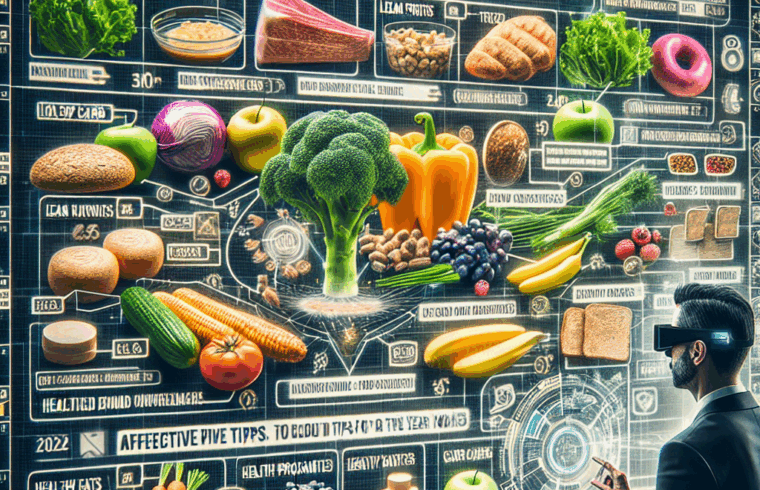
Need a Strong Nutrition Boost for Your Diet? Take a Look...
- 1. Prioritize Lean Proteins and Healthy Fats
- 2. Focus on Non-Starchy Vegetables
- 3. Choose Low-Carb Fruits Wisely
- 4. Avoid Hidden Sugars and Processed Foods
- 5. Plan for Low-Carb Snacks
- 6. Read Labels Carefully and Use a Meal Plan
- 7. Keep Hydration and Supplementation in Mind
1. Prioritize Lean Proteins and Healthy Fats
Choosing Quality Proteins
When learning how to build a low carb grocery list, selecting the right proteins is fundamental. Lean meats like chicken breast, turkey, and fish such as salmon and mackerel are excellent choices. These options are rich in high-quality protein without the excess carbs found in breaded or processed meats. Including plant-based proteins like tofu and tempeh can diversify your diet while maintaining low carbohydrate levels.
Research in 2025 shows that adequate protein intake supports muscle maintenance and weight loss on low-carb diets. Planning your grocery list around these lean protein sources ensures you’re fueling your body properly without carbs piling up. Additionally, incorporating eggs and shellfish adds nutritional variety, providing vital vitamins and omega-3 fatty acids.
Tip: Look for grass-fed or wild-caught options whenever possible. These offer healthier fats and fewer additives. Include a variety of protein sources on your list for a balanced low carb diet.
Healthy Fats for Energy
Healthy fats are essential for a low carb grocery list. Incorporate sources like avocados, nuts, seeds, and olive oil to boost your fat intake sustainably. These fats help you stay full longer and support metabolic health. Remember, healthy fats are integral to the keto and low-carb lifestyle as of 2025, promoting brain function and hormone production.
Donât forget to check labels and select minimally processed options. For example, choose extra virgin olive oil and raw nuts instead of processed snack foods. Including these healthy fats in your grocery list ensures you get vital nutrients while maintaining low carb goals.
Tip: Keep servings moderate, as fats are calorie-dense. Concentrate on variety for optimal health benefits.
2. Focus on Non-Starchy Vegetables
Why Non-Starchy Vegetables Matter
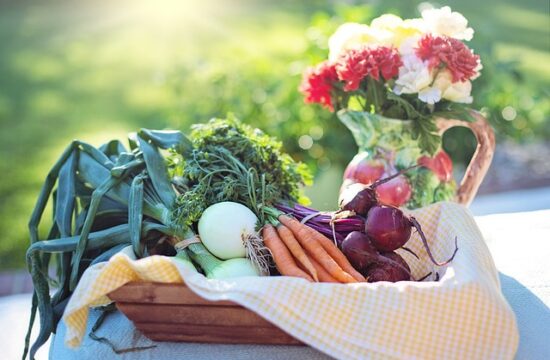
In 2025, understanding how to build a low carb grocery list involves emphasizing non-starchy vegetables. These include leafy greens, broccoli, cauliflower, zucchini, peppers, and brussels sprouts. They provide fiber, vitamins, and minerals without the high carb content of potatoes, corn, or peas.
Non-starchy vegetables are low in carbsâtypically under 10 grams per cupâand versatile in recipes. They add bulk to meals, support digestion, and help balance blood sugar levels. Including a variety ensures you get diverse nutrients and keeps your meals exciting.
Tip: Aim to fill half your plate with these vegetables. Purchasing in bulk or pre-washed options saves prep time and encourages consistent consumption.
Simple Ways to Include More Vegetables
Creating a low carb grocery list should include various options for easy meal prep. Roast, steam, or sauté your vegetables for quick side dishes. Incorporate them into salads, stir-fries, or even breakfast omelets.
For 2025, consider experimenting with vegetable spirals or cauliflower rice to substitute higher-carb grains. This adds texture and interest while maintaining your low carb goals. Planning your shopping list with these versatile vegetables ensures you’re consistently nourishing your body.
Tip: Keep frozen vegetables stockedâthey’re just as nutritious and convenient for busy days.
3. Choose Low-Carb Fruits Wisely
Best Fruit Options for a Low Carb Diet
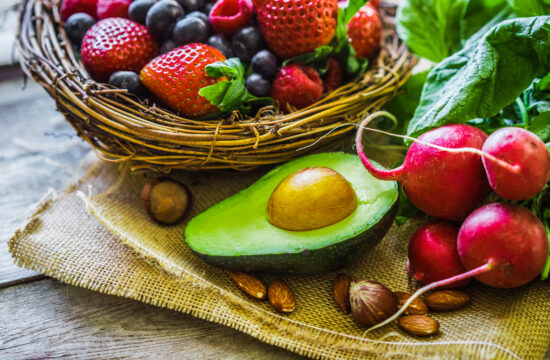
While fruits often contain natural sugars, some are better suited for a low carb grocery list. Berriesâsuch as strawberries, raspberries, and blackberriesâare lower in carbs and high in antioxidants. Avocado is technically a fruit and an excellent source of healthy fats.
In 2025, focusing on these fruits helps satisfy sweet cravings without knocking you out of ketosis or low-carb limits. They also provide essential nutrients and fiber.
Tip: Use berries as toppings or in smoothies, and include small servings of avocado in salads or spreads to enhance flavor and nutrition.
Controlling Fruit Intake
To prevent carbohydrate overconsumption, measure your fruit servings each week. Incorporate them thoughtfully into your weekly grocery list to avoid excess sugar intake. Be mindful of dried fruits and fruit juicesâthey often contain added sugars and are higher in carbs.
Research shows that moderation is key; a handful of berries or half an avocado can add flavor and health benefits without the carbohydrate spike. Keep your fruit choices limited but flavorful for balanced keto or low-carb lifestyles in 2025.
Tip: Always opt for fresh or frozen rather than processed versions with added sugars.
4. Avoid Hidden Sugars and Processed Foods
Reading Labels Carefully
One of the most critical skills in how to build a low carb grocery list is learning to read food labels diligently. Many processed foods contain hidden sugars, maltodextrin, or high-fructose corn syrup, which can quickly derail your low-carb efforts.
As of 2025, manufacturers have become more transparent, but it’s essential to double-check ingredients. Look for products with minimal ingredients and no added sugars. Sweeteners like stevia or erythritol are better options for sweetening foods without adding carbs.
Tip: Familiarize yourself with common hidden sugar names and always review the nutrition facts before adding items to your cart.
Choosing Whole, Unprocessed Foods
Building your low carb grocery list should prioritize whole, unprocessed foods. Fresh meats, vegetables, nuts, and oils provide the most nutritional value. Avoid packaged snacks, baked goods, or meal replacements that often contain added carbs and preservatives.
Good HealthY DIETING Solution is Easier Than Most People Think!
Take a Look for Yourself!
In 2025, sticking to whole foods not only simplifies shopping but also supports overall health. Use the grocery list as a guide to avoid impulse buys that contain hidden carbs. This approach makes sticking to your low carb goals easier and more sustainable.
Tip: Preparing meals at home gives you control over ingredients and makes it easier to avoid hidden sugars.
5. Plan for Low-Carb Snacks
Healthy Snack Options
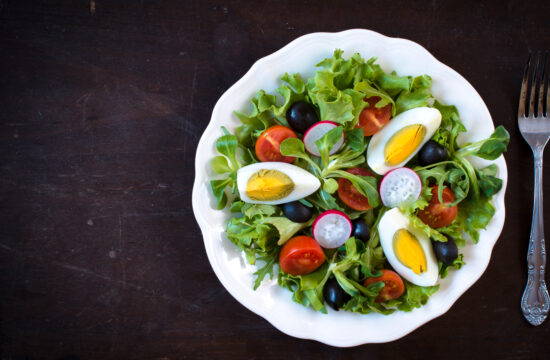
Snacks are a crucial part of a low carb lifestyle, especially in 2025 when busy schedules demand convenience. Stock your grocery list with low-carb snacks like nuts, cheese, hard-boiled eggs, and celery with almond or cheese spread.
These options keep blood sugar stable and prevent overeating during main meals. They also satisfy cravings for crunch or creaminess without excess carbs.
Tip: Pack small portions into containers or bags for on-the-go convenience, making healthy snacking effortless and accessible.
Homemade Snack Ideas
Creating your own low-carb snacks at home can be simple and cost-effective. Think of keto fat bombs, zucchini chips, or chia seed pudding. Adding these recipes to your shopping list ensures you always have suitable snacks on hand.
Experimenting with different flavors can make low-carb snacking more enjoyable. Use herbs, spices, or low-carb sweeteners for variety and satisfaction.
Tip: Focus on nutrient-dense snacks that provide lasting energy and nutritional benefits.
6. Read Labels Carefully and Use a Meal Plan
Strategic Shopping with a Meal Plan
Learning how to build a low carb grocery list becomes easier when you create a meal plan first. Planning your weekly meals guides your shopping, helping you avoid impulse buys and focus on low-carb ingredients.
Having a list based on planned recipes ensures you purchase only what you need, reducing food waste and carb overload. It also allows you to incorporate a variety of nutrient-rich foods into your diet.
Tip: Use apps or printable templates to organize your meal plan and shopping list, making your grocery trips efficient and focused.
Reading Labels for Low-Carb Compliance
Equally important is reading labels during shopping. Look for products certified low in carbs, and be cautious of high sugar counts or hidden ingredients. This practice is vital to stick to your low carb goals, especially in 2025 when food labeling has become more transparent.
Using this approach, you can confidently select products that align with your dietary preferences. Combining a meal plan with label reading simplifies how to build a low carb grocery list.
Tip: Keep a list of trusted brands that offer low-carb verified products for quick reference.
7. Keep Hydration and Supplementation in Mind
Staying Hydrated
In 2025, staying hydrated is foundational when building your low carb grocery list. Water, herbal teas, and electrolyte drinks with no added sugar help prevent dehydration, especially during initial low carb adaptation.
Including these beverages in your grocery list supports overall well-being and helps manage symptoms like fatigue or headaches often experienced on low-carb diets.
Tip: Always choose unsweetened options and carry a reusable water bottle for consistent hydration.
Supplements for Optimal Nutrition
Supplements can fill nutritional gaps in a low carb diet. Consider adding magnesium, potassium, and a high-quality multivitamin to your grocery list. They support muscle function, energy levels, and overall health as of 2025.
Consult a healthcare professional to tailor supplementation based on your personal needs and dietary preferences. Proper planning ensures your low carb grocery list is comprehensive and nutritionally complete.
Tip: Choose trusted supplement brands and look for transparent labeling and reviews.
Conclusion
Mastering how to build a low carb grocery list in 2025 is a vital step toward maintaining a healthy, sustainable low carb lifestyle. By prioritizing lean proteins, non-starchy vegetables, low-carb fruits, and whole foods, you can create diverse and balanced meals that support your health goals. Proper planning, label reading, and mindful snacking make sticking to your low carb plan manageable and enjoyable. Remember, a well-thought-out grocery list is your best tool in achieving long-term success. Stay consistent, plan ahead, and enjoy the benefits of a vibrant, low carb diet in 2025!
Frequently Asked Questions
- 1. How to build a low carb grocery list for beginners?
- Start by focusing on whole, unprocessed foods like lean proteins, vegetables, and healthy fats. Plan your meals first, then create a list based on these ingredients, ensuring to minimize processed foods and hidden sugars. Reading labels is essential to avoid carbs you might not expect.
- 2. What are the best low carb snacks in 2025?
- Nuts, cheese, boiled eggs, and veggie sticks with dips are excellent low carb snacks. Preparing homemade options like keto fat bombs and zucchini chips adds variety and keeps your diet interesting.
- 3. How can I avoid hidden sugars when building a low carb grocery list?
- Carefully read food labels, look for added sugars or ingredients ending in “-ose” or “- syrup,” and choose whole, fresh foods whenever possible. This helps you avoid hidden carbs and supports your low carb goals.
- 4. Why is planning a meal with a grocery list important for low carb diets?
- Meal planning ensures you buy only what you need, reduces impulse buys, and helps you stick to your carb limits. It also allows for variety and balanced nutrition.
- 5. How do I incorporate fruits into my low carb grocery list?
- Select low-carb fruits like berries and avocado. Limit portion sizes and use them as toppings or ingredients rather than main sources of carbs, keeping your overall intake aligned with your goals.