
Need a Strong Nutrition Boost for Your Diet? Take a Look...
If you’re aiming to improve your health and achieve your weight loss goals in 2025, crafting the healthy grocery list for dieting is a crucial first step. A well-planned grocery list helps you make smarter choices, avoid impulsive purchases, and stay on track with your nutritional goals. In this article, I will share ten proven tips to help you build an effective, nutritious grocery list that supports your dieting efforts this year.
Table of Contents
- 1. Know Your Nutrition Goals
- 2. Plan Your Meals in Advance
- 3. Stock Up on Whole Foods
- 4. Incorporate Protein-Rich Items
- 5. Select Healthy Fats
- 6. Include Plenty of Vegetables and Fruits
- 7. Avoid Processed Foods and Sugars
- 8. Read Labels Carefully
- 9. Shop the Perimeter of the Store
- 10. Keep Your Grocery List Flexible and Fun
1. Know Your Nutrition Goals
Assess Your Personal Needs
Before creating a healthy grocery list for dieting, it’s essential to understand your specific nutrition goals. Are you aiming to lose weight, build muscle, or improve your overall health? For example, if weight loss is your priority, focusing on calorie-dense but nutrient-poor foods is counterproductive. In 2025, personalized nutrition is more accessible than ever, thanks to new apps and health tracking devices.
Evaluating your current diet and health markers allows you to tailor your grocery list effectively. Consult a healthcare provider or a registered dietitian to set realistic targets, such as specific calorie ranges, macronutrient balances, or micronutrient intakes.
By aligning your grocery list with your goals, you optimize your time and resources, making your dieting journey more efficient and sustainable.
Use Data and Trends
Latest research shows that diets emphasizing whole, unprocessed foods yield better results in 2025. Understanding these trends helps you refine your grocery choices and stay current with best practices. Incorporate foods that are trending positively, such as plant-based proteins or functional foods rich in fiber and antioxidants.
Creating a healthy grocery list for dieting tailored to these trends ensures you’re not only following the latest science but also making choices that are easier to stick with long-term.
Sources like the CDC or recent nutrition publications can offer guidance on nutrition research pertinent to your goals.
2. Plan Your Meals in Advance
Develop Weekly Meal Plans
Planning meals in advance is crucial for creating an effective grocery list. When you know what you’ll cook each day, you avoid impulsive, unhealthy purchases. In 2025, meal planning apps become more popular, helping you to organize recipes, shopping lists, and even nutritional info all in one place.
This strategic approach reduces food waste and ensures your grocery list includes everything you need for your expected meals. For example, if you plan to make grilled chicken with vegetables, your list should include fresh chicken breasts, seasonal vegetables, herbs, and some healthy fats like olive oil.
By sticking to scheduled plans, you reinforce consistency in your healthy eating, making your diet more sustainable in the long run.
Batch Cooking and Prep
Preparing ingredients or entire meals ahead of time allows you to stick to your healthy grocery list for dieting. Batch cooking saves money, reduces stress, and helps control portion sizes. For 2025, new containers and storage tech make this process even easier.
For instance, cooking a large batch of quinoa or roasted vegetables can provide versatile ingredients for multiple meals. Incorporate these staples into your grocery list to build a variety of healthy dishes throughout the week.
This method ensures you always have nutritious options on hand, minimizing the temptation for takeout or vending machine snacks.
3. Stock Up on Whole Foods
Prioritize Unprocessed and Natural Foods
Whole foodsâsuch as fresh vegetables, fruits, lean meats, and whole grainsâare the cornerstone of a healthy grocery list for dieting. In 2025, consumers increasingly recognize that minimally processed foods provide better nutrition and support weight management goals.
For example, instead of buying box cereals or snack bars, opt for oats, nuts, or fresh berries. These options deliver more fiber, vitamins, and satiety, which helps in controlling hunger during dieting.
Focusing your grocery shopping on whole foods naturally reduces intake of added sugars, unhealthy fats, and preservatives, aligning with health priorities for the new year.
Understand Food Labels
Learning to read food labels is vital for selecting wholesome options. Avoid products with long ingredient lists and artificial additives. In 2025, labels are even more transparent, making it easier to identify clean, natural ingredients.
Choose items that list whole, recognizable ingredients, and aim for foods with higher fiber content and lower added sugars. For example, selecting plain Greek yogurt over flavored varieties adds protein without extra sugar.
This knowledge empowers you to build a healthy grocery list for dieting that prioritizes nutrition and minimizes fillers.
4. Incorporate Protein-Rich Items
Eat Sufficient Protein
Protein is essential for muscle building, satiety, and metabolic health, especially when dieting in 2025. Include a variety of lean proteins like chicken, turkey, fish, legumes, and plant-based options such as tofu or tempeh.
For example, a typical grocery list might include eggs, canned beans, salmon, and Greek yogurt. These items are versatile, affordable, and nutrient-dense.
Ensuring your healthy grocery list for dieting has ample protein not only helps in fat loss but also preserves muscle massâa key concern for many dieters.
Explore Plant-Based Proteins
The trend towards plant-based diets continues to grow, making legumes, lentils, nuts, and seeds essential additions in 2025. They offer alternative protein sources that complement animal products and cater to vegetarian or flexitarian preferences.
If you’re focusing on reducing red meat consumption, stock up on quinoa, chickpeas, and chia seeds. These foods contribute to a balanced and diverse diet.
Incorporating these into your grocery list ensures variety and supports sustainable eating habits.
5. Select Healthy Fats
Focus on Unsaturated Fats
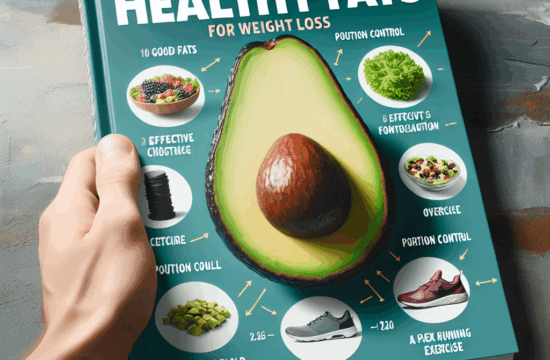
Healthy fats like avocados, olive oil, and fatty fish are crucial components of a nutritious healthy grocery list for dieting. They aid in hormone regulation, brain health, and help you feel satisfied longer.
In 2025, the emphasis is on balancing fat intake to optimize health benefits. For example, replacing butter with extra virgin olive oil or snacking on a handful of nuts adds beneficial fats without excess calories.
Including these fats in your diet can improve your overall health while supporting weight loss efforts.
Limit Trans and Saturated Fats
Reduce or eliminate foods high in trans fatsâlike processed baked goodsâand limit saturated fats found in some dairy and red meats. Reading labels carefully helps you select healthier options. For instance, choosing lean cuts of meat and low-fat dairy minimizes unhealthy fat consumption.
This strategic approach ensures that your healthy grocery list for dieting aligns with health recommendations of 2025, preventing inflammation and cardiovascular risks.
Consistently selecting good fats promotes better metabolic health and supports your dieting success.
Support Your Weight Loss Goals
Huge Discount on the Best Certified Organic Nutrient Dense Supplement!

6. Include Plenty of Vegetables and Fruits
Maximize Nutrient Intake
Vegetables and fruits are vital for a well-rounded diet. They are low in calories but high in fiber, vitamins, and antioxidants. In 2025, incorporating a rainbow of produce ensures you get diverse nutrients that boost immunity and energy levels.
For example, a grocery list might contain spinach, berries, bell peppers, and carrots. These foods can be prepared in countless ways to keep your meals exciting.
Consuming adequate vegetables and fruits supports your healthy grocery list for dieting, helping you meet your fiber and micronutrient goals.
Seasonal and Local Produce
Buying seasonal and local produce ensures freshness and cost savings. In 2025, farmer’s markets and grocery store sections dedicated to local foods are more accessible, making it easier to include fresh, nutrient-dense options in your list.
Plan your shopping around what’s in season for maximum flavor and nutrition. For example, spinach in winter or berries in summer can elevate your meals and snacks.
Commit to including a variety of fruits and vegetables to enhance your diet and keep things interesting.
7. Avoid Processed Foods and Sugars
Minimize Empty Calories
One of the biggest pitfalls in maintaining a healthy grocery list for dieting is the temptation of processed foods loaded with added sugars, salts, and preservatives. These items can sabotage your health goals irrespective of calorie count.
In 2025, the focus should be on cutting back on snacks like chips, candies, and sugary drinks. Instead, opt for whole options like nuts, fresh fruit, or infused water.
Making this shift reduces cravings and stabilizes blood sugar, thereby supporting your weight management in the long term.
Smart Substitutions
Replace processed snacks with healthier alternatives. For instance, swap potato chips for air-popped popcorn or vegetable sticks with hummus. These simple changes can significantly improve your nutritional intake.
Planning ahead and including these wholesome options on your healthy grocery list for dieting makes sticking to your goals more achievable in 2025.
By consciously avoiding highly processed foods, you ensure your diet is nutrient-rich and supportive of overall health improvements.
8. Read Labels Carefully
Identify Hidden Additives and Sugars
Properly reading labels is critical to avoid unintentional intake of unhealthy ingredients. Focus on items with fewer ingredients, recognizable names, and no added sugars.
In 2025, labeling laws have become more stringent, making this task easier. Use this knowledge to select products that truly fit your healthy grocery list for dieting.
For example, choose plain nuts over flavored ones loaded with preservatives or added sugar.
Understand Nutritional Information
Knowing how to interpret serving sizes, calories, and macronutrients on labels helps you plan your meals and snacks better. Use this information to stay within your daily calorie and macro goals.
This habit encourages mindful shopping and enhances the effectiveness of your diet plan in 2025.
Smart label reading is an essential skill for building a sustainable, nutritious grocery list.
9. Shop the Perimeter of the Store
Focus on Fresh and Whole Foods
The perimeter of most grocery stores is where you’ll find the freshest produce, dairy, meats, and seafood. These areas typically contain the components of a healthy grocery list for dieting.
In contrast, the inner aisles often stock processed foods and snacks, which should be minimized in a health-conscious diet. In 2025, more stores encourage shoppers to stick to the outer areas for better health outcomes.
This approach simplifies your shopping experience and keeps your diet aligned with wellness goals.
Navigate Wisely
While shopping, keep a mental or written list focused on whole foods. Avoid aisles with confectionery, sugary beverages, and processed snacks. This mindful shopping behavior reduces impulse buys and helps you stay true to your nutrition plan.
Planning your shopping trip based on the perimeter can also save time and reduce waste, making your diet more sustainable.
10. Keep Your Grocery List Flexible and Fun
Adapt to Seasonal Variations
Flexibility is key to long-term success. As seasons change, so do the best options for fruits, vegetables, and other store offerings. In 2025, trying new produce or recipes keeps your healthy grocery list for dieting exciting.
For example, swap summer berries with winter citrus or introduce new grains like millet or freekeh into your meals. Variations prevent boredom and ensure a range of nutrients.
Allow room for spontaneity while sticking to the fundamental principles of healthy eating.
Make It Enjoyable
Creating a grocery list doesn’t have to be boring. Experiment with flavorful herbs, spices, and international ingredients to diversify your diet. This approach helps you stay motivated and enjoy your healthy eating journey in 2025.
Involving family or friends in planning shopping trips adds a social element and reinforces your commitment. Remember, an enjoyable diet is easier to maintain over time.
Keeping your healthy grocery list for dieting flexible and fun can turn healthy eating into a rewarding experience.
Conclusion
Crafting the healthy grocery list for dieting in 2025 is an empowering step toward achieving your health goals. Focus on understanding your needs, planning ahead, and prioritizing whole, nutrient-dense foods. Incorporate smart shopping strategies such as reading labels, shopping the perimeter, and diversifying your choices to stay motivated. Remember, a flexible and enjoyable approach ensures you can sustain healthy habits over the long term. By following these ten tips, you’ll set yourself up for success and enjoy a healthier lifestyle this year and beyond.
Frequently Asked Questions (FAQs)
- 1. How can I create an effective healthy grocery list for dieting in 2025?
- Start by assessing your goals, planning meals ahead, focusing on whole foods, and including plenty of vegetables, fruits, lean proteins, and healthy fats. Read labels carefully and shop around the store’s perimeter.
- 2. What are the best foods to include in a healthy grocery list for weight loss?
- Incorporate vegetables, fruits, lean meats, fish, legumes, nuts, seeds, and healthy oils like olive oil. Limit processed foods and added sugars for optimal results.
- 3. How do I avoid processed foods when building my grocery list?
- Focus on purchasing fresh produce, whole grains, meats, and dairy. Read labels to avoid items with long ingredient lists, artificial additives, and added sugars.
- 4. Why is reading labels important for a healthy grocery list for dieting?
- Labels help you identify hidden sugars, unhealthy fats, and artificial ingredients, enabling you to choose foods that support your health and dieting goals.
- 5. How can I make my healthy grocery list more flexible?
- Include seasonal produce, try new recipes, and allow room for spontaneous healthy choices. This flexibility keeps your diet enjoyable and sustainable.
Huge Discount on the Best Certified Organic Nutrient Dense Supplement!
Related Content
- 10 Effective best keto recipes to Transform Your 2025 Diet Plan
- Learn Powerful Weight Loss Strategies To Look Your Best
- Transform Your Body with The Best Diet for Weight Loss: Proven Strategies for Lasting Change
- The Mediterranean Reboot: Transform Your Health in 14 Days
- Effortless Ways to Achieve Weight Loss Without Extreme Diets and Still Feel Great