
Need a Strong Nutrition Boost for Your Diet? Take a Look...
Table of Contents
- 1. Top Sources of Healthy Fats
- 2. Why Healthy Fats Are Essential for Weight Loss
- 3. Balancing Your Fat Intake for Optimal Results
- 4. How to Incorporate Healthy Fats into Your Diet
- 5. Common Mistakes to Avoid with Healthy Fats
- 6. Using Healthy Fats in Meal Planning Effectively
- 7. Tracking Your Progress with Healthy Fats for Weight Loss
- FAQs
- Conclusion
1. Top Sources of Healthy Fats
1.1 Nut and Seed Oils
Nut and seed oils like flaxseed, chia seed, and hemp oil are excellent sources of healthy fats for weight loss. These oils are rich in omega-3 and omega-6 fatty acids, which are essential for brain health and inflammation reduction. Incorporating a tablespoon of these oils into your salads or smoothies can significantly boost your healthy fat intake.
For example, flaxseed oil contains about 7 grams of omega-3s per tablespoon, making it one of the top choices for those aiming to include more healthy fats in their diet. Remember, these oils are calorie-dense, so portion control is key.
When choosing nut and seed oils, opt for cold-pressed, unrefined options to maximize nutrient retention. Always store them in a cool, dark place to prevent oxidation and spoilage.
1.2 Fatty Fish
Fatty fish like salmon, mackerel, sardines, and trout are rich in omega-3 fatty acids, which play a crucial role in supporting metabolic health. Regular consumption of these fish can help promote fat burning and reduce inflammation, supporting your weight loss journey in 2025.
Research shows that omega-3s from fish can enhance insulin sensitivity and reduce cravings, making it easier to stick to healthy eating habits. Including fish in your meals 2-3 times per week is a practical way to boost your intake of healthy fats.
Try grilling or baking fish with herbs and lemon for a delicious, nutrient-dense meal that aligns with your weight loss goals.
1.3 Avocado and Olives
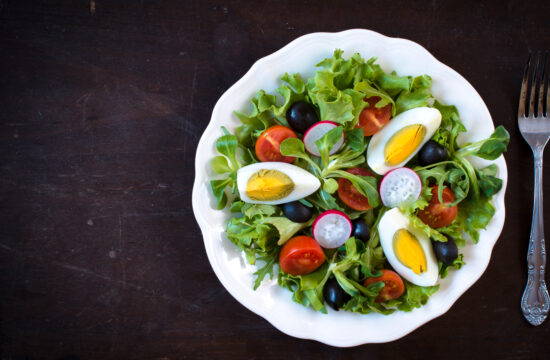
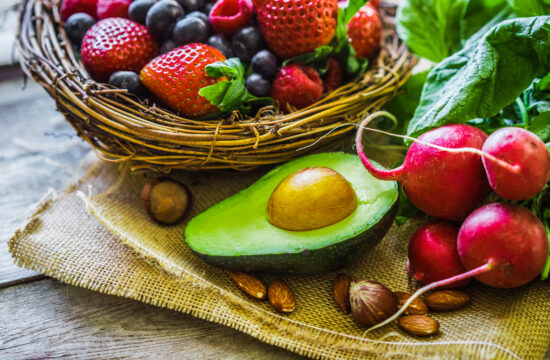
Avocados and olives are high in monounsaturated fats, which are effective at promoting satiety and supporting fat metabolism. Their creamy texture and rich flavor make them a versatile addition to salads, toast, and snacks.
Adding half an avocado to your breakfast or snack can provide valuable healthy fats for weight loss, helping to regulate blood sugar levels and reduce hunger spikes. Olives, especially when eaten in moderation, are an excellent addition to Mediterranean diets known for their weight management benefits.
Remember, while these foods are healthy, they are also calorie-dense, so portion control ensures they support your overall goals.
2. Why Healthy Fats Are Essential for Weight Loss
2.1 Supporting Hormonal Balance
Healthy fats are vital for producing hormones like leptin and ghrelin, which regulate hunger and fullness. When you include enough healthy fats for weight loss in your diet, you help balance these hormones naturally.
This hormonal balance is crucial for avoiding overeating and managing cravings, especially in 2025 when many diets focus on high-protein but low-fat approaches that may lead to deficiencies.
Consuming adequate healthy fats ensures your body can produce these hormones efficiently, supporting sustained weight management efforts.
2.2 Enhancing Brain Function
The human brain is composed of nearly 60% fat, predominantly in the form of healthy fats. Consuming sufficient healthy fats for weight loss is essential for cognitive health, mood stability, and decision-making.
Research indicates that omega-3 fatty acids improve memory and focus, factors that indirectly influence dietary choices and overall motivation for healthy living in 2025.
Including sources like fatty fish or walnuts can enhance mental clarity, helping you stay committed to your weight loss journey.
2.3 Promoting Satiety and Reducing Cravings
Healthy fats have a high satiety value, meaning they help you feel full longer. This can prevent overeating by stabilizing blood sugar levels and reducing hunger pangs.
A diet rich in healthy fats typically results in fewer unhealthy snack cravings, supporting calorie control. For example, adding avocado slices or nuts to your meals can help you stay satisfied between meals.
In 2025, focusing on healthy fats for weight loss can be a game-changer by naturally curbing hunger and promoting a calorie deficit without extreme restriction.
3. Balancing Your Fat Intake for Optimal Results
3.1 Understanding the Types of Fats
Not all fats are created equal. Your primary focus should be on monounsaturated and polyunsaturated fats, found in foods like olive oil, nuts, seeds, and fatty fish. Limit trans fats and saturated fats, which are linked to increased health risks and weight gain.
In 2025, balanced intake of healthy fats is crucial for safe and effective weight loss. The goal is to replace unhealthy fats with better options, creating a sustainable eating pattern.
Learn to read food labels carefullyâavoiding partially hydrogenated oils and choosing whole, minimally processed foods promotes optimal fat balance.
3.2 Combining Fats with Other Nutrients
Pairing healthy fats with fiber and protein enhances satiety and stabilizes blood sugar. For instance, combining avocado with whole-grain toast or nuts with fruit provides a balanced snack that supports weight loss goals.
This synergy helps prevent dips in energy and reduces the likelihood of overeating later in the day. Eating balanced meals with healthy fats ensures your body gets all essential nutrients.
In 2025, smart combining of macronutrients is a key strategy for anyone looking to optimize fat metabolism and support long-term weight management.
3.3 Moderation and Portion Control
While healthy fats offer many benefits, they are calorie-dense, providing 9 calories per gram. Portion control is necessary to prevent calorie surplus, which can hinder weight loss.
Using small bowls, measuring servings, and mindful eating can help you enjoy healthy fats without overdoing it. For example, limiting nuts to a small handful and oil to 1-2 tablespoons per meal maintains caloric balance.
In 2025, developing habits of moderation ensures that healthy fats support your weight loss rather than hinder it.
4. How to Incorporate Healthy Fats into Your Diet
4.1 Start Your Day with Healthy Fats
For a balanced breakfast, consider adding avocado slices or a handful of nuts. These options increase your intake of healthy fats for weight loss right from the morning, helping stabilize blood sugar and reduce hunger throughout the day.
Integrating healthy fats into your breakfast also prevents mid-morning cravings and maintains energy levels for longer periods.
Experiment with egg dishes cooked in olive oil or smoothie bowls topped with chia seeds for variety.
4.2 Replace Unhealthy Fats
Transitioning from saturated and trans fats to healthier options is critical. For example, swap butter for avocado or olive oil when cooking or baking.
This not only reduces intake of harmful fats but also enhances flavor and nutritional content. Transitioning gradually makes the shift easier and more sustainable.
In 2025, food manufacturers are increasingly offering healthier fat options, making this substitution easier than ever.
4.3 Snacking Smart
Choose snacks rich in healthy fats, like nuts, seeds, or olives, to keep hunger at bay. These snacks are portable, satisfying, and nutrient-dense, ideal for busy lifestyles.
Pre-portion snacks to avoid overeating, and combine them with fruits or vegetables for a balanced mini-meal.
Support Your Weight Loss Goals
Huge Discount on the Best Certified Organic Nutrient Dense Supplement!

Regular snacking on healthy fats can boost your overall intake without excess calories, helping you maintain a steady metabolic rate toward your weight loss goals in 2025.
5. Common Mistakes to Avoid with Healthy Fats
5.1 Overconsumption
One of the biggest mistakes is eating too much healthy fat, which can lead to calorie surpluses and weight gain. Remember, even healthy fats are calorie-dense.
Monitoring portion sizes and integrating fats thoughtfully into your meals helps avoid this pitfall. Keep your daily intake within recommended rangesâabout 20-35% of total calories from fats.
In 2025, mindful eating remains essential for leveraging healthy fats for weight loss without undoing your progress.
5.2 Ignoring the Quality of Fats
Not all fat sources are equal. Consuming processed or fried foods with unhealthy fats negates the benefits of healthy fats for weight loss. Always choose whole, minimally processed foods.
Refined oils and fast food can contain trans fats or excessive omega-6 to omega-3 ratios, which promote inflammation. Prioritize quality sources like extra virgin olive oil or wild-caught fish.
Being aware of food quality ensures your fat intake promotes health and weight loss in 2025.
5.3 Neglecting Overall Diet Balance
Focusing solely on healthy fats without considering your overall diet can be counterproductive. Incorporate a variety of nutrient-rich foods, including vegetables, lean proteins, and whole grains.
Balancing macronutrients ensures your body gets what it needs to support metabolism and fat loss.
In 2025, an integrated approach to diet that includes healthy fats for weight loss yields the best, sustainable results.
6. Using Healthy Fats in Meal Planning Effectively
6.1 Meal Prep Tips
Preparing meals ahead of time helps you control portion sizes and ensures your diet includes enough healthy fats for weight loss. Incorporate oils, nuts, and fatty fish into your weekly plan.
Sample meal prep could include salmon fillets, mixed nuts, and salads dressed with olive oil. These options make balanced, healthy eating more manageable.
By planning, you reduce reliance on processed foods that may contain unhealthy fats, supporting your 2025 weight loss goals.
6.2 Incorporating Fats into Snacks
Snacks are an excellent opportunity to boost healthy fats. For example, trail mix with nuts and seeds or sliced avocado with whole-grain crackers can be simple additions.
Ensure snacks are portion-controlled to avoid calorie overload, especially with calorie-dense foods like nuts.
Effective snack planning helps maintain energy and satiety, key factors for successful weight loss in 2025.
6.3 Flavorful Cooking Techniques
Using herbs, spices, and healthy oils can make meals enjoyable while emphasizing healthy fats. Techniques like stir-frying with olive oil or roasting vegetables with sesame oil add flavor and nutrients.
Experimenting with different healthy fats keeps your diet interesting and sustainable, reducing the temptation to revert to less healthy options.
Your 2025 meal plan should be flexible and flavorful, with healthy fats playing a central role in making your diet appealing.
7. Tracking and Measuring Progress with Healthy Fats for Weight Loss
7.1 Use Food Journals and Apps
Keeping track of your daily fat intake helps ensure you’re consuming the right types and amounts of healthy fats. Use apps or journals to log your meals and monitor nutritional balance.
In 2025, many apps now automatically analyze your intake, providing insights into your fat consumption and helping you stay on track toward your weight loss goals.
Consistent tracking allows for adjustments and keeps you aware of habits that support or hinder progress.
7.2 Monitor Physical Changes
Beyond scales, measure body composition, waist circumference, and energy levels to gauge success. Healthy fats can influence muscle preservation and fat loss, so tracking these metrics gives a fuller picture.
Combine these measurements with dietary logs to identify correlations and optimize your plan accordingly.
In 2025, leveraging technology for health tracking enhances the effectiveness of incorporating healthy fats for weight loss.
7.3 Set Realistic Goals and Milestones
Establish achievable targets based on your starting point, focusing on gradual progress. Celebrate small wins, such as incorporating healthy fats into every meal for a week.
This positive reinforcement keeps motivation high and encourages continued adherence to healthy fat intake strategies.
Remember, sustainable weight loss in 2025 is rooted in consistent, manageable changesâusing healthy fats for weight loss as a cornerstone.
FAQs
Q1: What are the best sources of healthy fats for weight loss?
Some of the best sources include fatty fish like salmon, plant-based oils such as olive and flaxseed oil, avocados, nuts, and seeds. These foods provide essential fatty acids that support metabolism and overall health.
Q2: How much healthy fat should I include in my daily diet?
The general recommendation is about 20-35% of your total daily calories from fats, emphasizing healthy monounsaturated and polyunsaturated fats. Tailor your intake based on your individual caloric needs and weight loss goals.
Q3: Are healthy fats good for weight loss in 2025?
Absolutely. The latest research in 2025 continues to support the role of healthy fats in promoting satiety, hormonal balance, and metabolic health, all of which are crucial for effective weight loss.
Q4: Can I eat too much of healthy fats?
Yes, since fats are calorie-dense, overconsumption can lead to weight gain. Portion control and mindful eating are essential when including healthy fats for weight loss.
Q5: What are common mistakes when incorporating healthy fats?
Common mistakes include overconsumption, choosing low-quality sources, and neglecting overall diet balance. Making mindful choices and focusing on nutrient-dense foods can help avoid these pitfalls.
Conclusion
In 2025, understanding and utilizing healthy fats for weight loss is more important than ever. These fats support your metabolism, curb cravings, and promote overall health when incorporated correctly. Whether it’s choosing the right sources, balancing your intake, or planning your meals strategically, healthy fats are your allies in achieving sustainable weight management. Remember, a balanced diet rich in healthy fats can make your weight loss journey enjoyable, effective, and lasting. Embrace these strategies and make healthy fats a central part of your 2025 wellness plan for optimal results.
Huge Discount on the Best Certified Organic Nutrient Dense Supplement!