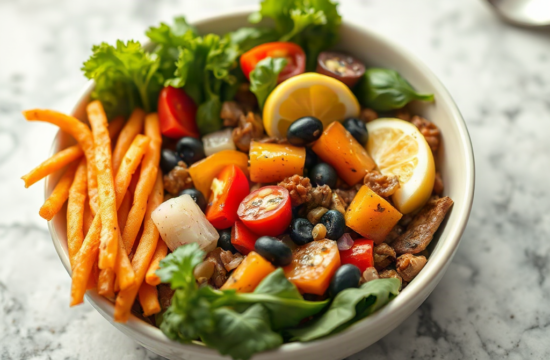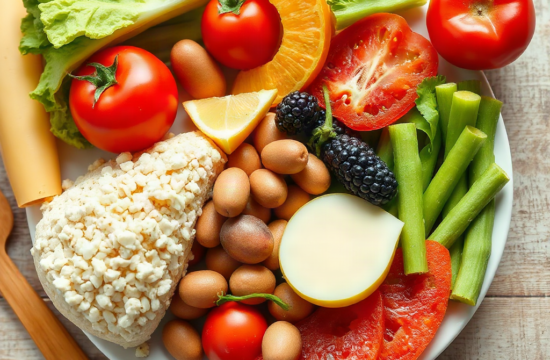

Many people struggle with dieting due to misinformation and unrealistic expectations. It’s essential to understand the role of calories, macronutrients, and timing in achieving your dieting goals. Balancing your plate with the right proportions of carbohydrates, proteins, and fats not only aids in weight loss but also promotes overall health. Portion control is crucial; even healthy foods can contribute to weight gain if consumed in excess.
A common mistake is focusing solely on calorie restriction without considering nutritional quality. This can lead to nutrient deficiencies and unsustainable eating patterns. Instead, aim for a balanced approach that includes a variety of foods to meet your nutritional needs while keeping you satisfied.
Understanding Macronutrients and Their Role
Macronutrients—carbohydrates, proteins, and fats—play a critical role in your diet. Each macronutrient serves a distinct purpose: carbohydrates provide energy, proteins support muscle repair and growth, and fats are essential for hormone production and overall health. Understanding how to balance these macronutrients can significantly affect your dieting success.
For effective weight management, aim for a diet that includes all three macronutrients in appropriate proportions. A common approach is the 40-30-30 rule, which suggests 40% carbohydrates, 30% protein, and 30% fats. This balance can help you maintain energy levels while promoting fat loss and muscle retention.
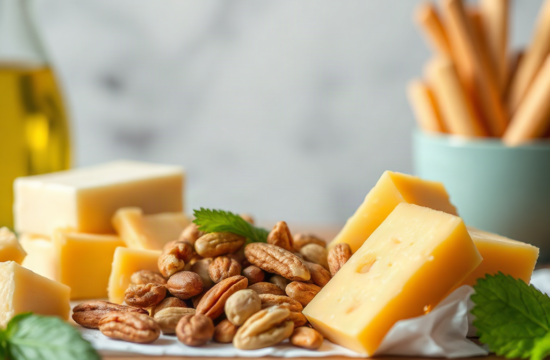
Furthermore, prioritize high-quality sources of these macronutrients. Choose whole grains, lean meats, legumes, and healthy fats from avocados and nuts to maximize nutrient intake. This not only supports weight loss but also enhances overall health.
Effective Meal Planning Strategies
Meal planning is a powerful tool for anyone looking to improve their dieting results. By preparing meals in advance, you can control portion sizes, reduce impulsive eating, and ensure that you have healthy options readily available. This strategy helps to eliminate the temptation of unhealthy convenience foods.
Start by dedicating a few hours each week to plan and prepare your meals. Create a balanced menu that incorporates all food groups, and consider using batch cooking to save time. Cook larger portions of lean proteins, whole grains, and vegetables, then divide them into individual servings for easy access throughout the week.
Additionally, keep a shopping list based on your meal plan to avoid impulse buys at the grocery store. This can help you stick to your dietary goals and reduce food waste.
Mindful Eating Practices
Mindful eating involves paying full attention to the experience of eating and drinking, both inside and outside the body. This practice can help you develop a healthier relationship with food and reduce overeating. By focusing on the taste, texture, and aroma of your meals, you can enhance satisfaction and awareness of hunger cues.
To practice mindful eating, try to eat without distractions, such as television or smartphones. Take smaller bites, chew slowly, and savor each mouthful. This not only improves digestion but also allows you to recognize when you are full, preventing overeating.
Another helpful technique is to keep a food diary. Documenting what you eat can provide insights into your eating habits and help identify emotional triggers that lead to unhealthy choices. This awareness is the first step toward making positive changes.
Support Your Weight Loss Goals
Huge Discount on the Best Certified Organic Nutrient Dense Supplement!
Common Dieting Mistakes to Avoid
Many individuals make critical mistakes while dieting that can hinder their progress. One common error is skipping meals in an attempt to reduce calorie intake. This can lead to increased hunger and cravings, often resulting in overeating later in the day.
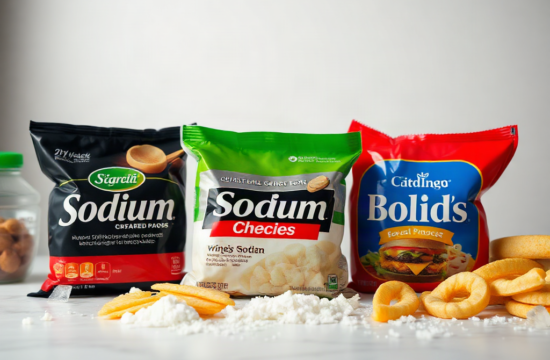
Another mistake is relying heavily on processed diet foods that may be marketed as healthy but are often high in sugar, sodium, and unhealthy fats. Instead, focus on whole, unprocessed foods that provide essential nutrients without unnecessary additives.
Lastly, avoid setting unrealistic goals. Instead of aiming for rapid weight loss, focus on gradual, sustainable changes that promote long-term health. This approach not only enhances your chances of success but also fosters a healthier mindset toward dieting.
Further Reading
Authoritative Sources
- Academy of Nutrition and Dietetics
eatright.orgA comprehensive resource for nutrition information and dietary guidelines
- ChooseMyPlate.gov
choosemyplate.govOffers practical dietary advice based on the latest nutritional science
Frequently Asked Questions
What are the best foods to include in a diet?
Incorporate whole grains, lean proteins, healthy fats, fruits, and vegetables for a balanced diet.
How can I control portion sizes effectively?
Use smaller plates, measure serving sizes, and be mindful of hunger cues to help control portions.
What should I avoid while dieting?
Avoid highly processed foods, skipping meals, and setting unrealistic weight loss goals.
How important is meal prepping?
Meal prepping helps save time, control portions, and ensure access to healthy meals throughout the week.
Can I still enjoy my favorite foods while dieting?
Yes, moderation is key. Allow yourself occasional treats to maintain a balanced and enjoyable diet.
Conclusion
To achieve lasting success with dieting, prioritize nutritional quality, effective meal planning, and mindful eating practices. Avoid common mistakes such as skipping meals and relying on processed diet foods. Focus on gradual changes and enjoy a variety of foods in moderation to create a sustainable approach to weight management. By understanding macronutrients and incorporating healthy habits, you can significantly improve your dieting results.