One crucial aspect is understanding the role of protein in muscle preservation. High protein intake supports muscle repair and growth, which is vital when in a caloric deficit. Many dieters overlook the importance of strength training, assuming cardio alone is sufficient for fat loss. However, resistance training is essential for signaling the body to retain muscle even when losing weight. Balancing these elements is fundamental to avoid common pitfalls in dieting.
Moreover, it’s important to recognize that not all caloric deficits are created equal. Many people mistakenly believe that any reduction in calories will yield fat loss, but the quality of nutrients consumed plays a significant role. Diets low in essential nutrients can lead to muscle loss and metabolic slowdown. Therefore, focusing on nutrient-dense foods while managing caloric intake is key to preserving muscle while losing fat.
The Importance of Protein in Muscle Retention
Protein intake is critical for muscle retention during fat loss. Adequate protein consumption helps stimulate muscle protein synthesis, which counteracts muscle breakdown, especially in a caloric deficit. Research suggests that aiming for approximately 1.6 to 2.2 grams of protein per kilogram of body weight can significantly enhance muscle retention.
Many dieters fail to meet their protein needs, often focusing too heavily on reducing calories. This oversight can lead to muscle loss, which is counterproductive to fat loss goals. Incorporating protein-rich foods such as lean meats, dairy, legumes, and plant-based proteins is essential for maintaining muscle mass.
Additionally, timing protein intake throughout the day can optimize muscle recovery and growth. Consuming protein-rich meals or snacks every few hours can help maintain muscle protein synthesis rates, ensuring the body has the building blocks it needs to preserve muscle.
Incorporating Resistance Training
Resistance training is an integral component of any effective dieting strategy aimed at muscle retention. Engaging in weight lifting or bodyweight exercises signals the body to maintain muscle mass, even when in a caloric deficit. This form of training helps increase strength, improve body composition, and elevate metabolic rate.
Many individuals mistakenly believe that excessive cardio is the best way to lose fat. While cardio has its benefits, relying solely on it can lead to muscle loss. Balancing resistance training with cardiovascular workouts will ensure that muscle is preserved while fat is lost.
It’s also important to progressively overload muscles by increasing weights or resistance over time. This principle ensures continual muscle adaptation and growth, which is crucial when trying to retain muscle while losing fat.
Creating a Sustainable Caloric Deficit
A sustainable caloric deficit is essential for effective fat loss without compromising muscle retention. This involves consuming fewer calories than the body expends, but the focus should be on how this is achieved. Drastic caloric reductions can lead to muscle loss and metabolic adaptation.
To create a sustainable deficit, aim for a moderate reduction of 500 to 750 calories per day, which can lead to a healthy weight loss of about 0.5 to 1 kg per week. This approach helps to ensure that the body has enough energy to support muscle maintenance while still allowing for fat loss.
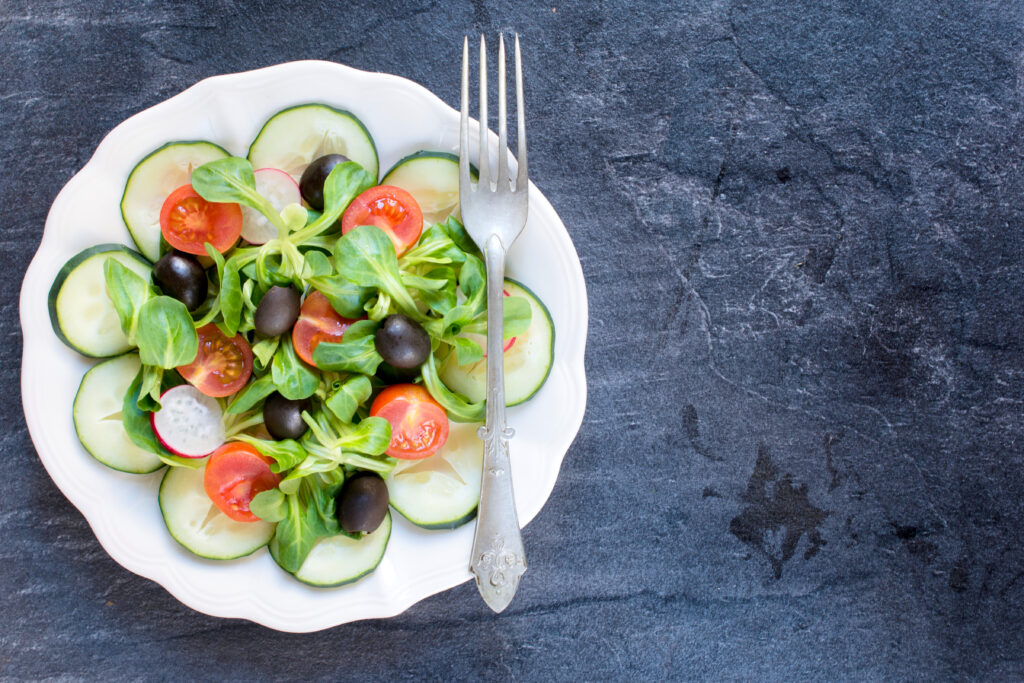
Additionally, incorporating nutrient-dense foods can help fill you up while keeping calories in check. Foods high in fiber, such as vegetables, fruits, and whole grains, provide satiety and essential nutrients without excessive calories.
Support Your Weight Loss Goals
Huge Discount on the Best Certified Organic Nutrient Dense Supplement!
Common Mistakes to Avoid
Many dieters make critical mistakes that undermine their goals of muscle retention and fat loss. One major error is underestimating caloric intake and overestimating caloric expenditure. This misperception often leads to excessive caloric restriction, which can cause muscle loss and metabolic slowdown.
Another common pitfall is neglecting recovery. Overtraining without adequate rest can lead to fatigue and increased risk of injury, further hindering progress. Prioritizing recovery through proper sleep, nutrition, and rest days is crucial for supporting muscle retention.
Lastly, many individuals overlook the importance of hydration. Dehydration can impair performance and recovery, making it harder to maintain muscle during fat loss. Aim to drink plenty of water throughout the day to support overall health and performance.
Further Reading
Authoritative Sources
- National Institutes of Health
ncbi.nlm.nih.govnih.govThis resource provides comprehensive information on nutrition and exercise science, relevant for understanding dieting strategies that support muscle retention and fat loss
- American College of Sports Medicine
acsm.orgACSM offers guidelines and research on exercise and nutrition, essential for effective fat loss and muscle retention strategies
Frequently Asked Questions
What is the best way to preserve muscle while losing fat?
The best way to preserve muscle while losing fat is to ensure adequate protein intake, engage in regular resistance training, and maintain a moderate caloric deficit.
How much protein should I consume for muscle retention?
Aim for 1.6 to 2.2 grams of protein per kilogram of body weight to effectively support muscle retention during fat loss.
Can I lose fat without losing muscle?
Yes, by following proper dieting strategies that include sufficient protein intake and resistance training, you can lose fat while minimizing muscle loss.
What role does resistance training play in fat loss?
Resistance training helps preserve muscle mass during fat loss by signaling the body to maintain muscle, thus enhancing overall body composition.
How important is hydration in a dieting strategy?
Hydration is crucial as it supports performance, recovery, and overall health, which can significantly influence muscle retention during fat loss.
Conclusion
To successfully implement dieting strategies that support muscle retention and fat loss, focus on adequate protein intake, incorporate resistance training, and maintain a sustainable caloric deficit. Avoid common pitfalls such as excessive caloric restriction and neglecting recovery. Prioritizing these elements will not only help you achieve your fat loss goals but also ensure that you retain valuable muscle mass during the process. Start by evaluating your current habits, adjust your diet and exercise accordingly, and monitor your progress to optimize your results.