Forget the starving-yourself myth. Dieting reimagined is about smarter choices, not suffering. When you shift attention from arbitrary calorie counts to real nutritional value, you unlock a way of eating that fills your plate and your life — while still shrinking your waistline.
Need a Strong Nutrition Boost for Your Diet? Take a Look...
Rethink Calories: Prioritize Nutrient Density Over Restriction
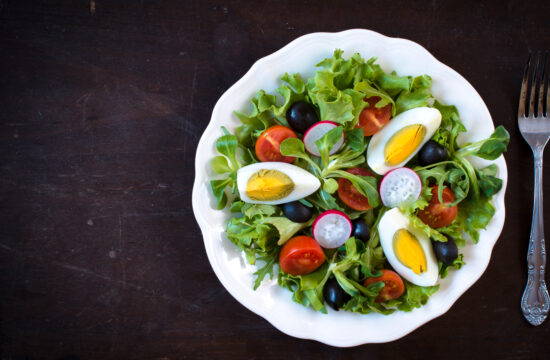
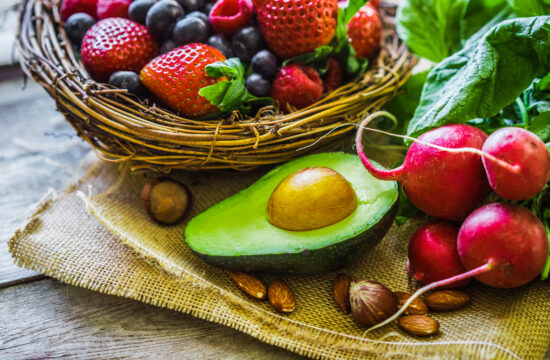
Calories matter, but context matters more. A 300-calorie candy bar and a 300-calorie plate of roasted vegetables, grilled salmon and quinoa don’t affect your body the same way. Nutrient-dense foods — think leafy greens, colorful vegetables, legumes, lean protein, eggs, nuts and whole grains — deliver vitamins, minerals, fiber and protein that stabilize hunger and energy. Aim to make every meal three-quarters plants and protein-first. That way you naturally reduce overeating because your meals actually satisfy your body’s needs.
Satisfying Swaps: Eat More, Feel Full, Lose Weight
You don’t have to eat less, just eat smarter. Swap refined carbs for high-volume alternatives: spaghetti squash or zucchini noodles for pasta, cauliflower rice for white rice, and air-popped popcorn for chips. Replace creamy dressings with Greek yogurt-based sauces. Reach for beans, lentils and canned tuna when you want cheap, filling protein. Add a big salad or a broth-based soup before your main course — it fills you up so you eat less later. These swaps increase portion size and satiety without ballooning calories, turning “diet food” into genuinely enjoyable meals.
Mindful Eating & Habit Design: Break Bad Patterns for Good
Habits are the invisible drivers of your weight. Mindful eating pulls those drivers into the light. Practice simple rituals: eat without screens, put your fork down between bites, and rate hunger on a 1–10 scale before sitting down. Build habits using tiny wins: if you want a daily veggie habit, start with one extra serving at dinner for two weeks. Use if-then plans to avoid slip-ups — “If I’m tempted to snack at 3 p.m., then I’ll have a piece of fruit and a glass of water.” Design your environment to succeed: keep unhealthy treats out of sight and healthy options prepped and ready. Over time, these small nudges become automatic, and stubborn patterns dissolve.
Move Smart, Recover Better: Sustainable Activity That Burns Fat
Exercise shouldn’t be punishment; it’s a tool. Combine strength training two to three times a week with daily low-intensity movement like walking, gardening or taking the stairs. Muscle-building lifts resting metabolic rate and makes fat loss steadier. Short, intense bursts (think 10–20 minutes of interval training) can be time-efficient and effective, but balance them with mobility work and proper recovery. Sleep, hydration and protein intake are non-negotiable: they repair muscle, regulate hunger hormones and keep energy levels steady. Don’t skip rest days — overtraining increases cravings and derails progress.
This approach — nutrient-rich foods, satisfying swaps, conscious habits and smart movement — redefines dieting as sustainable living. You won’t feel deprived; you’ll feel empowered. Start small, be consistent, and watch how simple changes add up to big results.