
Need a Strong Nutrition Boost for Your Diet? Take a Look...
Table of Contents
- 1. Focus on Whole Foods
- 2. Prioritize Plant-Based Proteins
- 3. Incorporate Healthy Fats
- 4. Limit Processed Foods and Sugars
- 5. Stay Hydrated with Water
- 6. Practice Portion Control
- 7. Increase Physical Activity
- 8. Use Dairy-Free Meal Replacements
- 9. Monitor Your Progress and Adjust
- 10. Seek Support from a Nutritionist
1. Focus on Whole Foods
Choose Nutrient-Dense, Unprocessed Foods
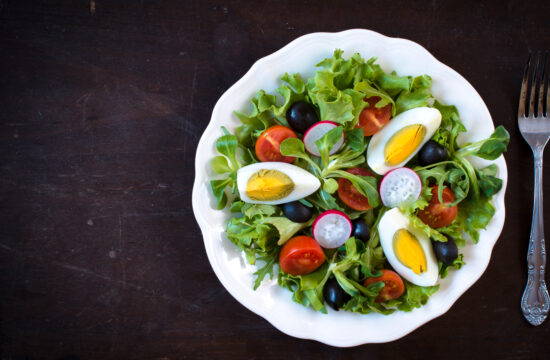
Starting your dairy free weight loss journey in 2025, it’s essential to prioritize whole foods. These foods are minimally processed and rich in essential nutrients, which helps your body function optimally. Fruits, vegetables, nuts, seeds, and whole grains should be the staples of your diet. For example, swap out refined bread for whole-grain options or enjoy a colorful vegetable stir-fry instead of processed snack foods.
Research shows that diets rich in whole foods promote better weight management and metabolic health. When you focus on nutrient-dense choices, you’re less likely to overeat, as these foods tend to be more filling and satisfying. Additionally, they support gut health, which can influence weight regulation.
Eliminate or Reduce Processed Dairy Alternatives
Many dairy-free products, such as flavored plant-based yogurts or cheese substitutes, can be highly processed and loaded with sugars or unhealthy fats. In 2025, aim to reduce reliance on these processed options and instead prepare simple, homemade plant-based meals. For example, make your own almond milk or flaxseed pudding for a wholesome snack.
This approach ensures you’re not only avoiding dairy but also minimizing added ingredients that may hinder your weight loss goals. Reading labels carefully and opting for whole, unprocessed ingredients can significantly enhance your dairy free weight loss results.
2. Prioritize Plant-Based Proteins
Switch from Dairy to Legumes and Tofu
In 2025, incorporating plant-based proteins is a key strategy in dairy free weight loss. Legumes like lentils, chickpeas, and black beans are fantastic sources of protein and fiber, which fill you up faster and keep hunger at bay. Tofu and tempeh are versatile alternatives that can replace dairy-based protein sources in many recipes.
By shifting your focus to these foods, you ensure adequate protein intake without dairy. This not only supports muscle maintenance during weight loss but also promotes satiety, reducing overall calorie intake.
Combine Proteins for Complete Nutrition
Combining different plant proteins, such as rice and beans, enhances amino acid intake, supporting muscle health and metabolic functions. Incorporate a variety of these proteins into your meals regularly. With thoughtful planning, you can meet your nutritional needs without dairy-based products.
In 2025, many innovative recipes are emerging that make plant-based protein consumption exciting and delicious, helping you stay on track with your dairy free weight loss plan.
3. Incorporate Healthy Fats
Use Nuts, Seeds, and Avocado Wisely
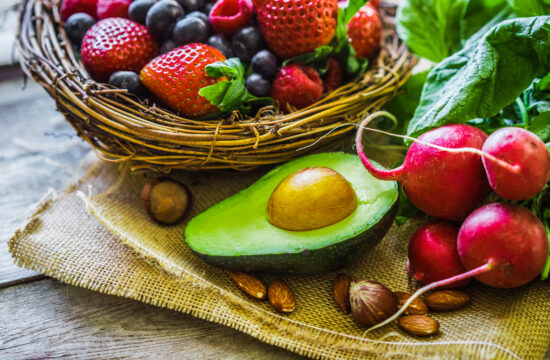
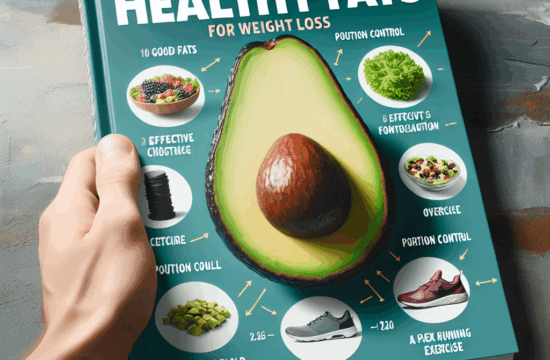
Healthy fats are crucial for balanced diets and weight loss, especially when you’re avoiding dairy fat sources. Include nuts like almonds and walnuts, seeds such as chia and flaxseeds, and ripe avocados in your meals. These provide essential fatty acids, contribute to satiety, and enhance flavor.
Research from 2024 indicates that moderate consumption of healthy fats can improve metabolic health and aid in weight loss efforts. Incorporate these fats in portion-controlled amounts for optimal results.
Monitor Fat Intake and Focus on Quality
While healthy fats are beneficial, they are calorie-dense. In 2025, tracking your fat intake helps prevent overconsumption. Focus on whole, unrefined oils like extra virgin olive oil and cold-pressed flaxseed oil, and avoid trans fats and highly processed oils.
Using these fats in your cooking or salads can boost your dairy free weight loss outcomes by enhancing nutrient absorption and keeping you satisfied longer.
4. Limit Processed Foods and Sugars
Read Labels Carefully and Choose Whole Alternatives
Many processed foods contain hidden sugars and unhealthy fats that sabotage weight loss, especially in 2025 when there are more dairy-free processed options. Always read nutrition labels and steer clear of items with added sugars or preservatives. Instead, prepare meals at home with fresh ingredients.
Replacing processed snacks with homemade options like fruit smoothies or vegetable sticks can make a significant difference. This control over ingredients supports your dairy free weight loss goals and improves overall health.
Reduce Sugar to Improve Results
High sugar intake leads to insulin spikes and increased fat storage. Aim to cut back on sugary drinks, baked goods, and flavored dairy-free products high in sugar. Instead, satisfy sweet cravings with fresh berries or natural sweeteners like honey or maple syrup in moderation.
In 2025, many new sugar-reduction recipes and product innovations make sticking to a low-sugar, dairy free diet easier and more enjoyable.
5. Stay Hydrated with Water
Optimize Hydration for Weight Loss
Total body hydration is vital for metabolism and appetite regulation. Drinking enough water helps you feel full and prevents overeating. In 2025, aim for at least 8 glasses a day, and consider adding herbal teas or infused water for variety.
Replacing sugary drinks with water supports your dairy free weight loss journey and reduces calorie intake. Hydration is often overlooked but plays a critical role in successful weight management.
Be Mindful of Hydration Timing
Drinking water before meals can help control portion sizes and prevent unnecessary snacking. In hot climates or during intense workouts, increase water intake accordingly. Staying properly hydrated also enhances digestion and nutrient absorption, which are key during weight loss in 2025.
Implementing hydration routines into your daily schedule can significantly boost your progress and overall wellbeing.
6. Practice Portion Control
Use Smaller Plates and Mindful Eating
Learning to recognize appropriate portion sizes is fundamental in dairy free weight loss. Use smaller plates and bowls to naturally limit your servings. Take time to chew slowly and savor each bite, which helps your brain register fullness.
Mindful eating reduces overeating and encourages healthier choices. Keep track of your meal sizes, especially when trying new dairy free recipes, to stay within your calorie goals.
Meal Planning and Preparation
Prepping meals ahead of time ensures controlled portions and prevents impulsive eating. Use meal containers to divide your dairy free meals into appropriate servings, making it easier to stick to your weight loss plan in 2025.
Support Your Weight Loss Goals
Huge Discount on the Best Certified Organic Nutrient Dense Supplement!

This strategic approach simplifies your dairy free weight loss journey and helps maintain consistency.
7. Increase Physical Activity
Combine Cardiovascular and Strength Training
Regular exercise accelerates weight loss and improves overall health. In 2025, a combination of cardio (like brisk walking, cycling) and strength training (bodyweight exercises, resistance training) is recommended for optimal results. Not only does this burn calories, but it also builds lean muscle mass, increasing basal metabolic rate.
For dairy free weight loss, physical activity helps counteract potential plateaus and keeps your metabolism active. Scheduling workouts into your weekly routine makes a big difference over the long term.
Stay Active Throughout the Day
Don’t forget to incorporate activity into your daily lifeâtake stairs, walk during breaks, or try active hobbies. Consistency is key, and small daily efforts accumulate over time, boosting your dairy free weight loss results in 2025.
8. Use Dairy-Free Meal Replacements
Utilize Healthy, Convenient Options
Meal replacements like smoothies, bars, or shakes can be valuable tools in managing calorie intake. In 2025, many dairy-free products incorporate high-quality plant proteins, fiber, and essential nutrients, making them reliable for weight loss. Ensure the options you choose are low in added sugars and artificial ingredients.
Replacing one or two meals per day with wholesome, dairy-free alternatives can prevent overeating and maintain nutrient balance, supporting your weight loss efforts.
DIY Dairy-Free Meal Replacements
Creating your own meal replacements at home allows full control over ingredients. Blend fruits, vegetables, plant-based protein powders, and healthy fats for a balanced, satisfying meal. This approach is cost-effective and enhances your dairy free weight loss journey in 2025.
Remember to incorporate fiber and protein to maximize satiety and nutrient intake.
9. Monitor Your Progress and Adjust
Track Your Food, Activity, and Results
Keeping a journal or using apps can help you understand your eating habits and activity levels. Regularly reviewing your progress allows you to identify areas needing adjustment. In 2025, numerous digital tools make tracking straightforward and effective.
Adjust your calorie intake, macronutrient ratios, or activity levels based on results. Being proactive ensures your dairy free weight loss stays on track.
Set Realistic Goals and Celebrate Achievements
Small, achievable goals maintain motivation. Celebrate milestones, like losing a specific weight or improving fitness levels, to stay committed. Flexibility and patience are vital in your 2025 dairy free weight loss journey.
Realistic expectations help prevent frustration and sustain your healthy habits over time.
10. Seek Support from a Nutritionist
Get Expert Guidance for a Tailored Plan
Working with a nutritionist ensures your dairy free weight loss plan is personalized and effective. Nutritionists can help formulate meal plans, suggest suitable supplements, and address any dietary restrictions or health concerns. In 2025, many professionals use telehealth to offer remote consultations, increasing accessibility.
Personalized support accelerates progress and ensures you’re meeting your nutritional needs without dairy products, ultimately making your weight loss more sustainable.
Join Support Groups or Online Communities
Connecting with others on a dairy free weight loss journey provides encouragement and accountability. Online forums, social media groups, and local meetups are excellent resources. Sharing experiences and exchanging tips helps keep you motivated and inspired.
Community support in 2025 can significantly enhance your chances of success in achieving your weight loss goals.
Conclusion
In summary, achieving dairy free weight loss in 2025 involves a combination of strategic dietary choices, increased activity, and proper planning. Focus on whole foods, prioritize plant-based proteins, incorporate healthy fats, and stay hydrated. Monitoring your progress and seeking professional support can make a tremendous difference. By following these 10 effective tips, you’ll be well on your way to a healthier, fitter youâwithout any dairy. Remember, consistency and patience are key. Embrace this approach, and make 2025 your best year yet!
Frequently Asked Questions
1. What are the best dairy-free foods for weight loss in 2025?
In 2025, the best dairy-free foods for weight loss include whole grains, legumes, fresh vegetables, fruits, nuts, seeds, and plant-based proteins like tofu and tempeh. These foods are nutrient-dense, filling, and support healthy metabolism.
2. How can I successfully lose weight without dairy?
Successful dairy free weight loss involves a balanced diet focusing on whole, unprocessed foods, regular physical activity, proper hydration, portion control, and tracking your progress. Consulting a nutritionist can also help tailor your plan.
3. Are dairy-free meal replacements effective for weight loss?
Yes, dairy-free meal replacements can be effective when they are nutritious, balanced, and used as part of a comprehensive plan. They help control calorie intake and ensure you get necessary nutrients without dairy ingredients.
4. How important is hydration in dairy free weight loss?
Hydration is crucial for metabolic health and appetite regulation. Drinking enough water supports digestion, prevents overeating, and boosts your overall weight loss efforts.
5. Can I do dairy free weight loss alone, or should I seek help?
While many can succeed independently, seeking guidance from a nutritionist or joining support groups can enhance your success by providing accountability, personalized advice, and motivation.
Huge Discount on the Best Certified Organic Nutrient Dense Supplement!