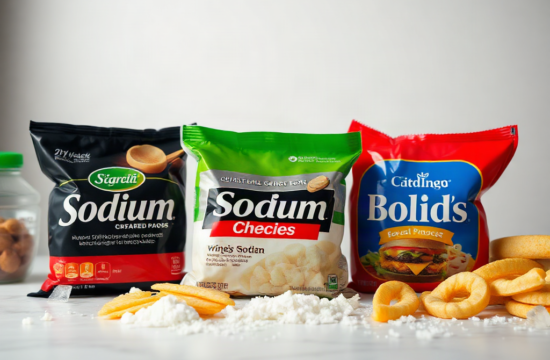

Understanding where these hidden calories come from is essential for effective weight management. For instance, many people believe that items labeled as ‘low-fat’ or ‘sugar-free’ are automatically healthy, but these products can be loaded with other additives or sugars that increase calorie counts. Additionally, portion sizes can often be misleading, leading to overconsumption. Recognizing these factors can help individuals make more informed dietary choices.
A common mistake is overlooking beverages as a source of hidden calories. Drinks like smoothies, flavored teas, and even juices can contain more calories than expected. When tracking caloric intake, it’s vital to account for all food and drink consumed throughout the day, as these often contribute significantly to overall caloric consumption.
Identifying Hidden Calorie Sources
Hidden calories can come from various sources that are often overlooked. Items like condiments, sauces, and snacks can quickly add up without a person realizing it. For example, a tablespoon of mayonnaise can contain around 100 calories, while salad dressings often have high-calorie counts due to added sugars and fats. Being vigilant about these items is crucial for anyone looking to lose weight.
To effectively manage calorie intake, individuals should consider tracking their food consumption meticulously. Apps and food diaries can help identify where these hidden calories are coming from. It’s also beneficial to familiarize oneself with common calorie counts for popular condiments and snacks. This knowledge empowers individuals to make better choices, such as opting for mustard over mayonnaise or using vinegar instead of creamy dressings.
Moreover, understanding the impact of cooking methods is vital. Frying foods, for instance, significantly increases their calorie content compared to baking or grilling. Therefore, individuals should prioritize healthier cooking techniques and be aware of the calories that cooking oils and butter add to meals.
Common Foods That Pack Hidden Calories
Many foods marketed as healthy can contain hidden calories. Granola, for instance, is often perceived as a health food but can be high in sugars and fats, leading to a higher calorie count than expected. A single cup of granola can contain upwards of 600 calories, depending on the ingredients used.
Understanding ingredient labels is critical. Look for added sugars, fats, and sodium in products labeled as healthy. Many snack bars and cereals have deceptively high calorie counts due to these additives. Choosing whole foods and unprocessed snacks, such as fruits, vegetables, and nuts in moderation, can help mitigate hidden calorie consumption.
Another common pitfall involves portion sizes. Many packaged foods contain multiple servings, leading to unintentional overeating. It’s essential to measure portions or read the label carefully to understand how many calories are consumed in one sitting. This careful approach can prevent the accumulation of hidden calories.
Beverages That Sabotage Weight Loss
Beverages are a significant source of hidden calories that many people overlook. Sugary drinks, such as sodas and energy drinks, can add hundreds of calories to a diet without providing any nutritional value. Even drinks like flavored coffees and smoothies can be calorie dense due to added syrups, cream, and sugars.
To successfully manage caloric intake, individuals should consider opting for water, herbal teas, or black coffee. These options are low in calories and can keep individuals hydrated without adding to their daily intake. Additionally, when consuming smoothies, it’s advisable to make them at home to control ingredients and portions rather than relying on store-bought versions that may contain hidden sugars.
When dining out, be cautious about beverage choices. Many restaurants serve large portions of drinks, which can lead to overconsumption. Asking for smaller sizes or substituting high-calorie drinks with water can significantly reduce daily caloric intake.
Support Your Weight Loss Goals
Huge Discount on the Best Certified Organic Nutrient Dense Supplement!
Cooking Methods and Portion Sizes
The way food is prepared can greatly affect its calorie content. Cooking methods such as frying, sautéing, or using heavy sauces can add significant calories. In contrast, steaming, baking, or grilling typically preserves the nutrients while keeping the calorie count lower.
Being mindful of cooking methods is essential for maintaining a calorie deficit. For example, using cooking spray instead of oil can save calories. Additionally, using herbs and spices for flavor instead of high-calorie sauces can enhance meals without the extra calories. Prioritizing cooking techniques that use less fat can help individuals stay on track with their weight loss goals.
Portion sizes also play a critical role in managing calorie intake. It’s easy to underestimate the amount of food consumed, especially with larger plates and bowls. Using smaller dishes can help control portions and prevent overeating. Moreover, understanding serving sizes for different food groups can assist individuals in making better dietary choices.
Further Reading
Authoritative Sources
- CDC – Healthy Weight
cdc.govThis source provides comprehensive information on maintaining a healthy weight, including resources on understanding calorie intake and managing diets
- NHLBI – Obesity Education Initiative
nhlbi.nih.govThe NHLBI offers valuable insights into obesity management and the role of calorie consumption in weight loss
- Academy of Nutrition and Dietetics
eatright.orgThis organization provides evidence-based information about nutrition, including the importance of understanding hidden calories
- Choose My Plate
choosemyplate.govChoose My Plate offers guidelines for healthy eating and tips for managing portion sizes effectively
Frequently Asked Questions
What are hidden calories?
Hidden calories are those that come from foods and beverages that may not seem high in calories at first glance, such as condiments, drinks, and processed snacks.
How can I track hidden calories effectively?
Using a food diary or a calorie tracking app can help you monitor all food and drink intake, including hidden calories from snacks and beverages.
Are low-fat foods always a good choice?
No, low-fat foods can sometimes be high in sugars and additives, leading to higher calorie counts. Always check the nutrition label.
Can beverages really affect my weight loss?
Yes, sugary and high-calorie beverages can significantly increase overall calorie intake, which can hinder weight loss efforts.
What cooking methods are best for weight loss?
Healthier cooking methods include steaming, baking, and grilling, which help retain nutrients while keeping calorie counts lower.
Support Your Weight Loss Goals
HUGE DISCOUNT ON THE BEST CERTIFIED ORGANIC NUTRIENT DENSE SUPPLEMENT!
Related Content
- Effortless Ways to Achieve Weight Loss Without Extreme Diets and Still Feel Great
- Do You Want To Lose Weight? Try These Tips
- The Best Dieting Tips for Sustainable Health: Essential Foods and Daily Habits for Lasting Wellness
- Debunking the Top 5 Diet Myths That Are Holding You Back
- Dieting Mistakes You May Be Making Without Even Realizing It