
Why Diet Culture Fails:
Diets promise quick, neat fixes, but life is rarely neat. Short-term plans—severe calorie cuts, one-size-fits-all meal plans, rigid rules—can produce fast results, yes, but they also trigger hunger, mood swings, and metabolic slowdowns. When weight returns (and it often does), frustration sets in. Worse, endless cycles of restriction and rebound erode trust in your own instincts and make food feel like the enemy. Diet culture wins when temporary compliance replaces lasting wellbeing.
Need a Strong Nutrition Boost for Your Diet? Take a Look...
Shift the Mindset: Eating for Health, Pleasure, and Longevity
What if you ate for life rather than for loss? That means balancing nutrition with enjoyment. Prioritize foods that fuel energy and reduce inflammation—lean protein, colorful vegetables, whole grains—while also making room for foods you love. Pleasure isn’t a detour from health; it’s part of sustainable eating. Think long-term: choose patterns that make you feel resilient, social, and energized at 50 and 70, not just lean on a seasonal trend.
Ditch the Rules: Practical Steps to Stop Restrictive Habits
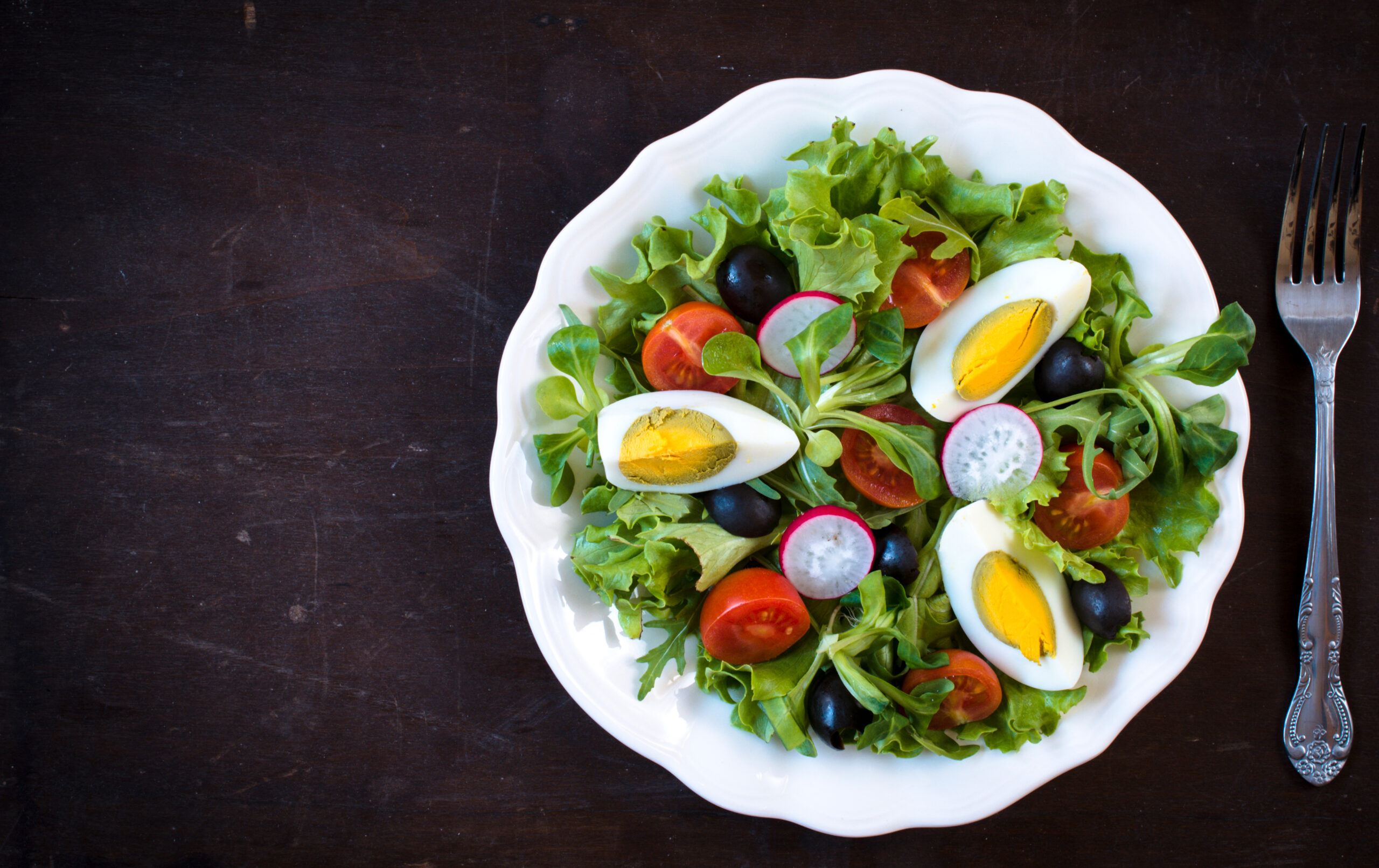
Start by declaring a moratorium on “never” lists. Give yourself permission to try formerly forbidden foods in small portions. Replace rigid rules with experiments: if late-night snacking is the problem, test an extra protein-rich snack after dinner instead of banning snacks altogether. Use practical swaps—whole fruit for fruit juice, air-popped popcorn for chips—but avoid moralizing choices. The aim is freedom from extremes: predictable structure, not suffocating rules.
Build Lasting Habits: Simple Routines for Sustainable Eating
Habits beat willpower. Create tiny routines that compound: a protein-rich breakfast three times a week, a veggie-first plate template, or a weekly batch-cooking afternoon. Use habit stacking—add a salad right after you serve the main dish, or prep lunch while dinner simmers. Keep your kitchen ready: stocked pantry staples, pre-washed greens, and portionable containers make healthy choices the default. Small, consistent actions add up faster than dramatic overhauls.
Food Psychology: Managing Cravings, Emotions, and Triggers
Cravings are signals, not failures. Identify triggers—stress, fatigue, boredom, social cues—and address the root. Practice a five-minute delay: sip water, step outside, brush your teeth; often the urge recedes. Mindful eating helps too: slow down, savor textures and flavors, notice fullness. Build a toolbox of non-food coping strategies—walks, journaling, a quick call—so emotions don’t always route through the fridge. Sleep, hydration, and balanced meals reduce the biological drive to overeat.
Success Beyond the Scale: Maintenance, Relationships, and Joy
Sustainable success looks different from a number on a scale. Celebrate improved sleep, stronger runs, easier stairs, and more confident social dinners. Maintain boundaries without isolating—learn to navigate restaurant menus, holiday spreads, and family pressure with curiosity and calm. Allow for pleasure and occasional indulgence without guilt. Joy and connection matter; they’re part of the reason we eat. When food becomes a source of nourishment and delight rather than punishment, you stop chasing temporary fixes and start living well—for life.