We tend to think dieting is a simple math problem: calories in, calories out. But real life laughs at spreadsheets. Tiny habits—almost invisible—chip away at our best intentions. Here are four common saboteurs that hide behind everyday routines and why they matter more than the numbers on your plate.
Need a Strong Nutrition Boost for Your Diet? Take a Look...
Mindless Munching: Distracted Eating and Portion Distortion
You know the scene: laptop open, email pinging, hand reaching for chips. When we eat while distracted, the brain doesn’t register fullness properly. A TV show, a phone scroll, or a meeting can turn a sensible portion into a bottomless buffet. Portion distortion plays into this too; oversized plates, family-style servings and “value” deals push us to consume more because we assume that’s the right amount. The antidote? Pause. Set aside eight to ten minutes without screens. Serve portions on smaller plates and pre-portion snacks into bowls. Attention recalibrates appetite signals—suddenly you notice flavors, textures, and where satisfaction begins.
Sleepless & Stressed: Hormonal Hijacks That Fuel Cravings
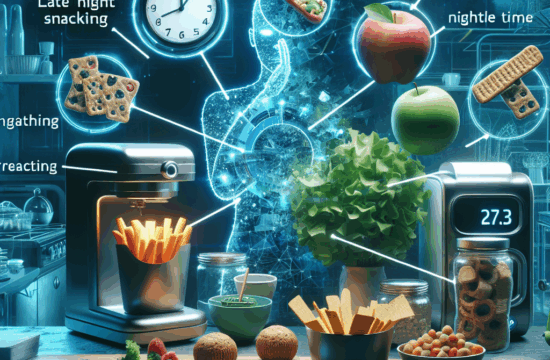
Lack of sleep and chronic stress don’t just make you tired—they rewire your appetite. Sleep deprivation elevates ghrelin, the hormone that screams “eat,” and lowers leptin, which signals satiety. Cortisol, the stress hormone, amplifies cravings for sugar and fat because your body interprets stress as a need for quick energy. The result is late-night raiding of the fridge and a stubborn battle against willpower. Fixing this isn’t about willpower alone: prioritize consistent sleep schedules, practice brief stress-relief rituals (deep breaths, short walks, five-minute meditations), and be kind to yourself when stress spikes. Small, regular acts of recovery reduce hormonal chaos and weaken those relentless cravings.
Liquid Calories and Sneaky Ingredients: Drinks and Labels That Lie
Calories aren’t always visible. Smoothies, specialty coffees, alcoholic cocktails, and “healthy” store-bought drinks can pack hundreds of calories and added sugars while masquerading as nutritious. Even drinks labeled “low-fat” often hide sugar to make up for flavor. Beyond calories, many packaged foods feature ingredient lists that obscure what they really are—maltodextrin, high-fructose syrups, or hydrogenated oils masquerading as convenience. Read labels like a detective: check for serving size tricks, scan the sugar line, and favor drinks that are water-based, unsweetened, or made at home where you control the recipe.
Social Scripts and Food Triggers: How People and Places Push You to Overeat
We eat with our eyes—and our friends. Social situations come with unspoken scripts: “order dessert,” “one more round,” “it’s rude to refuse.” Places trigger behavior too—stadiums, cinemas, and parties are built around snacks. Recognize your triggers. Plan responses: offer to bring a dish you enjoy, suggest active alternatives, or decide beforehand what you’ll eat. Practice polite refusals or share portions to feel included without derailing goals. Over time you’ll rewire social cues so they support rather than sabotage your choices.
Dieting is less about moral failure and more about understanding the context of eating. Tackle the invisible habits—distraction, sleep, labels, and social scripts—and you’ll find your efforts go further than any calorie count ever could.
Related Content
- 10 Effective Tips for Weight Loss from Juicing in 2025 You Cant Miss
- How to Create a Diet Plan That Reduces Inflammation
- The Ultimate Guide to How to Build a Sustainable Diet in 2025: 10 Effective Tips
- 10 Effective Low Carb Dinner Ideas for 2025: The Ultimate Guide to Healthy Eating
- How to Use Spices for Natural Weight Loss